July 2017.

Curacao is the well known “bigger brother” of Bonaire, and is one of the three “ABC” islands in the Dutch Netherlands, located in the southern Carribean. It has some good diving-shore diving in particular-offering the independence and top side attractions that many divers enjoy. Here’s an update on some of the well known sites, as well as an introduction to some of the lesser known and must do sites.
East End Diving
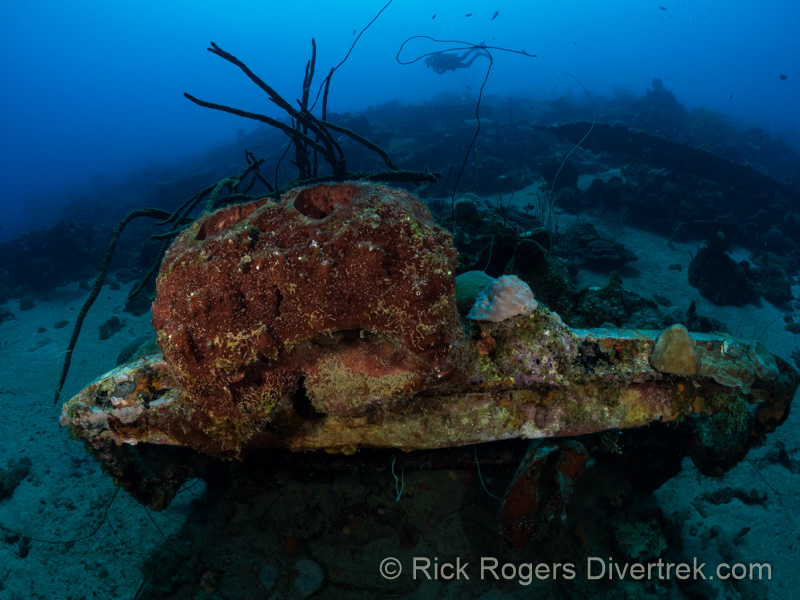
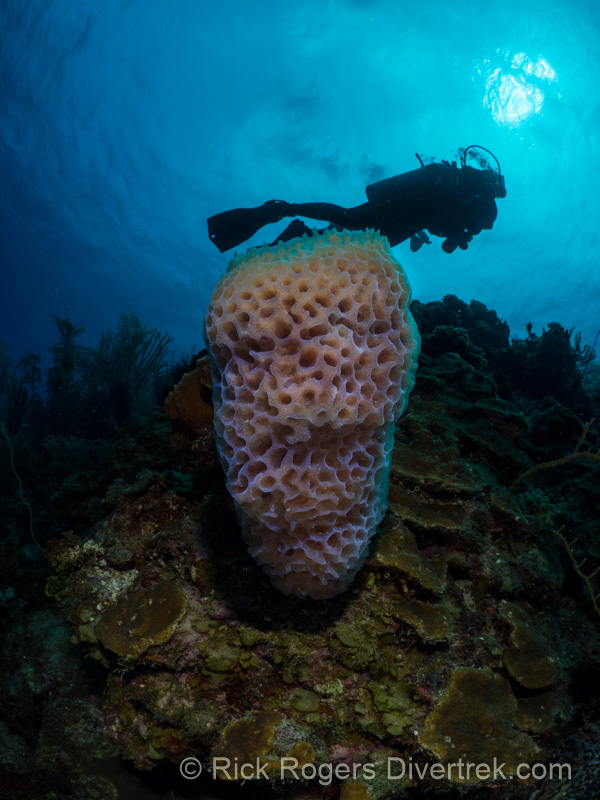
If you like the thrill of discovery and taking your time to “poke around”, then you’l love the Car Pile site. We found it interesting enough to spend several days diving it. And we had it mostly all to ourselves. It originated as an underwater junkyard to which old trucks, cars and boats from the 1950’s were added in the early 1970’s to form an artificial reef, in an effort to attract underwater life. It has succeeded. Some of the cars have become so integrated with the reef that you have to look carefully to recognize it as a man-made structure. You can expect to find everything from massive tube sponges, schools of fishes and numerous middle-predator fishes like jacks, barracuda, and snappers. I also saw a large Chain Moray eel, and looked for a resident Green Moray that calls the barge home. Infrequently other divers have reported seeing a Lemon shark here at this site.
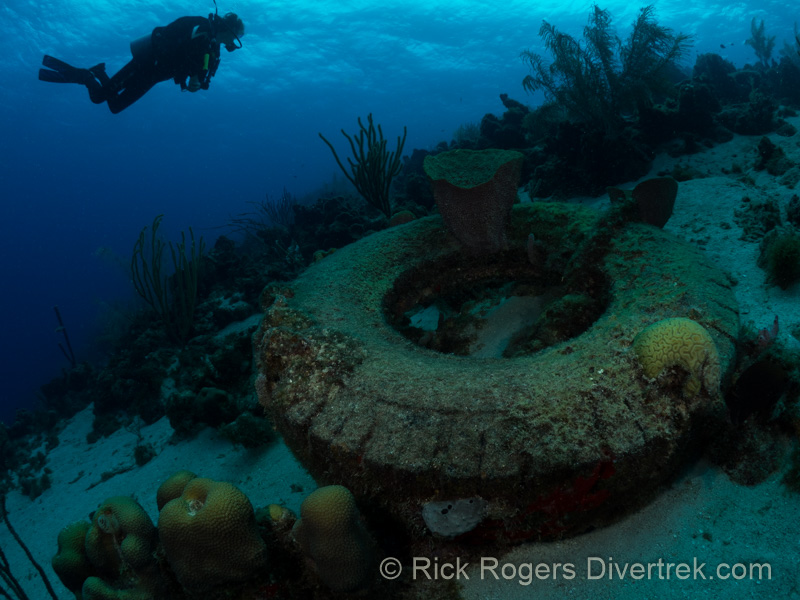
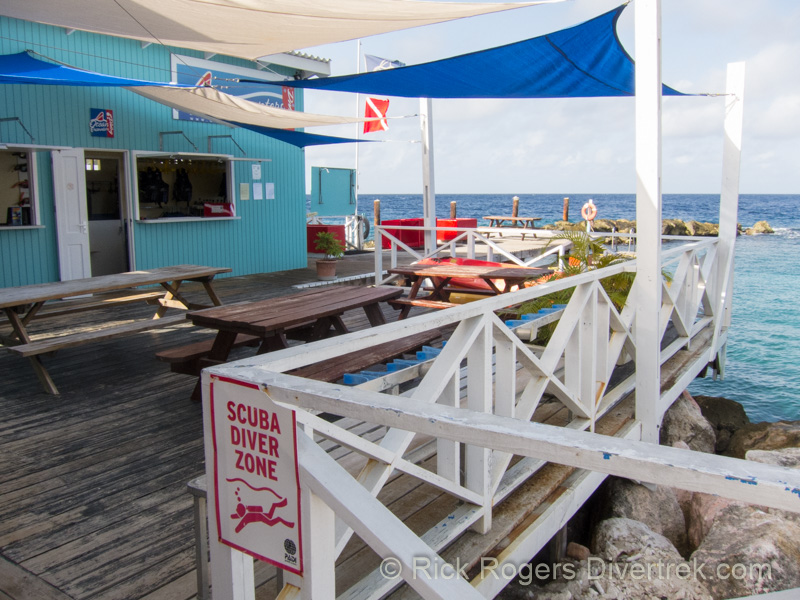
The Car Pile can be easily reached from the shore across from the Dive Bus shop (you have to cross a road) or directly from the Ocean Encounters docks. Leaving from the Ocean Encounters docks requires a little further finning, but it’s more than doable and very convenient. This is how the Ocean Encounters shop recommended that I reach it: Leave the dock and head West (turn right) past the breakers and descend to about 30′ in order to conserve air. Look for a tire with a sponge on it (see photo below) in 45′ fsw.
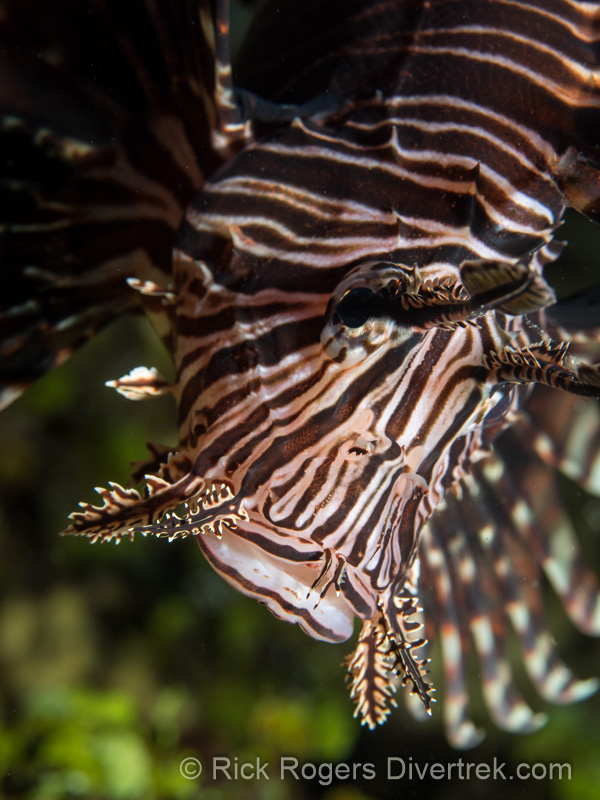
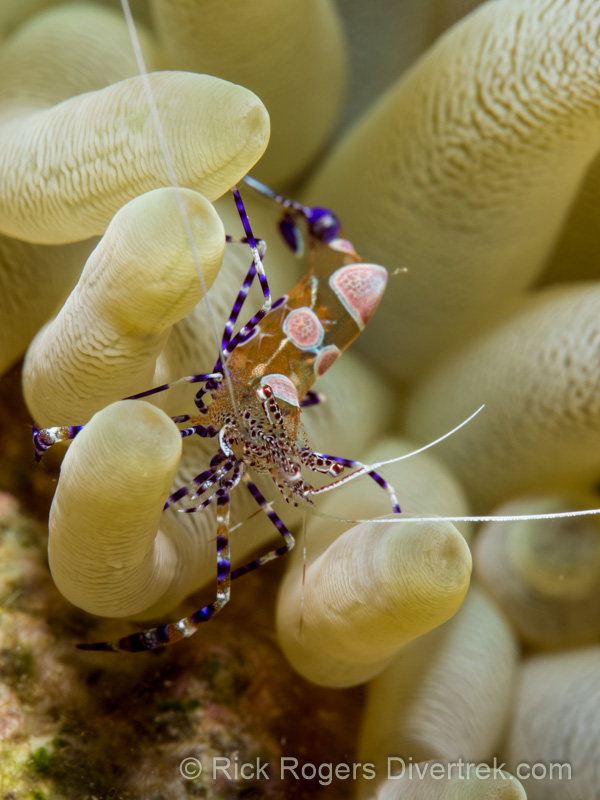
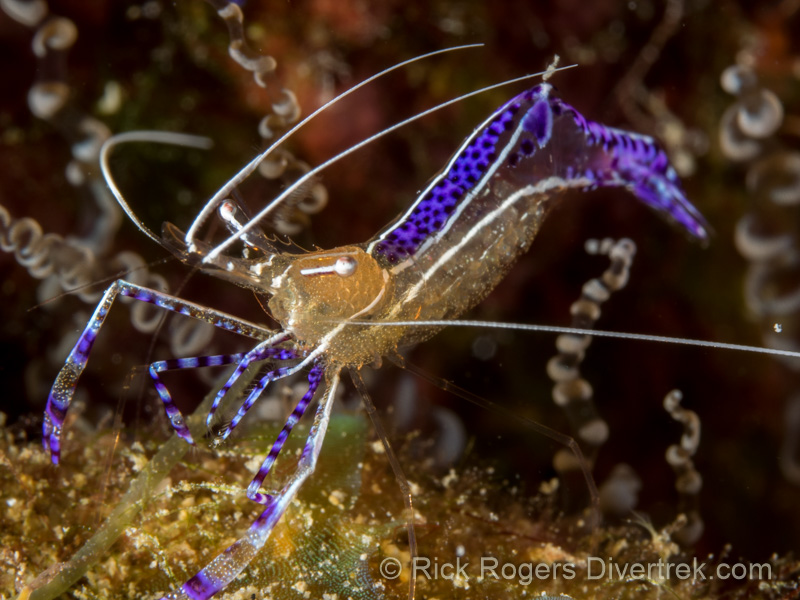
About 30′ away you will see a large fist-sized pipe (about 20’long) that is sloping down and pointing in the direction of the Car Pile in the sand at the bottom of the reef. There you will see a barge lying in the sand at about 100′. Explore further out and West, but watch your depth! It goes much deeper. Take your time to explore the shallows (40-50′) on your way back. There’s other “artifacts” and large sponges and soft corals to admire. If you run low on air, you can surface swim back to the dock. Beware of afternoon winds that will create surge in the shallows which will require more effort to fin back to the dock. Here’s some photos of what you can expect to see:
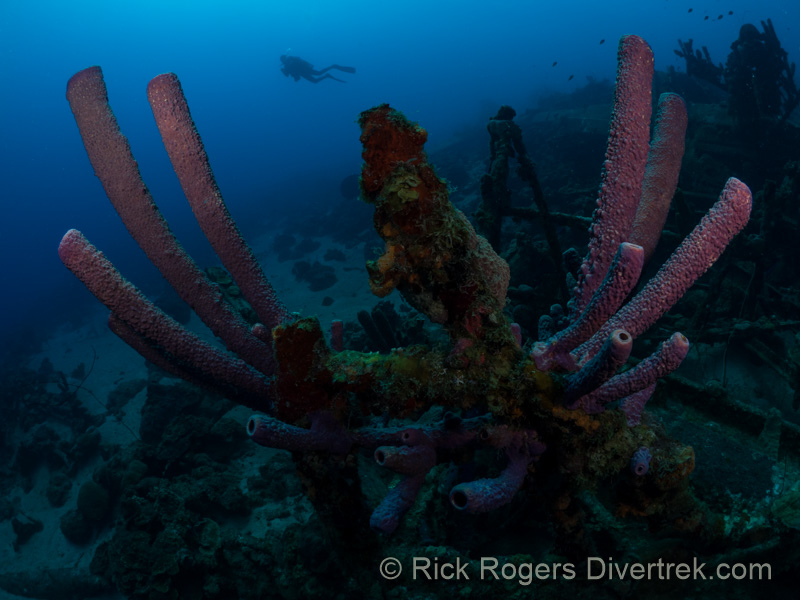
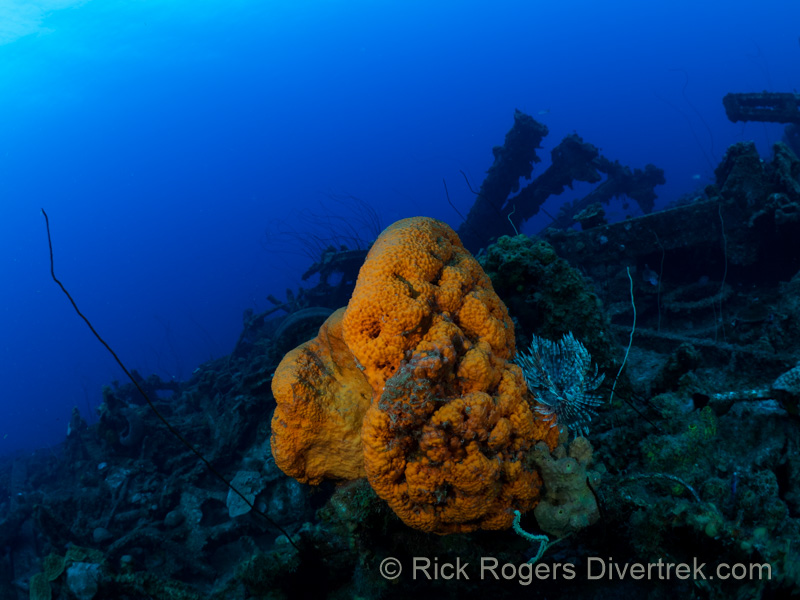
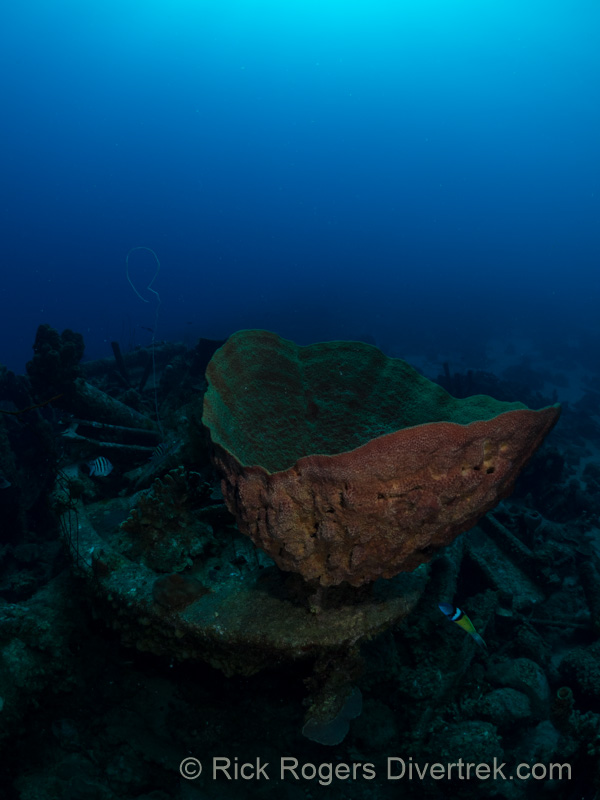
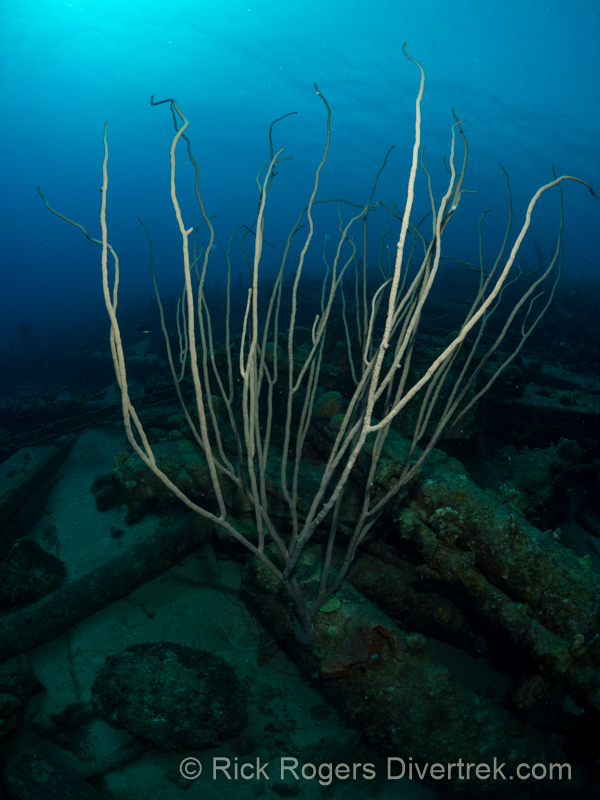
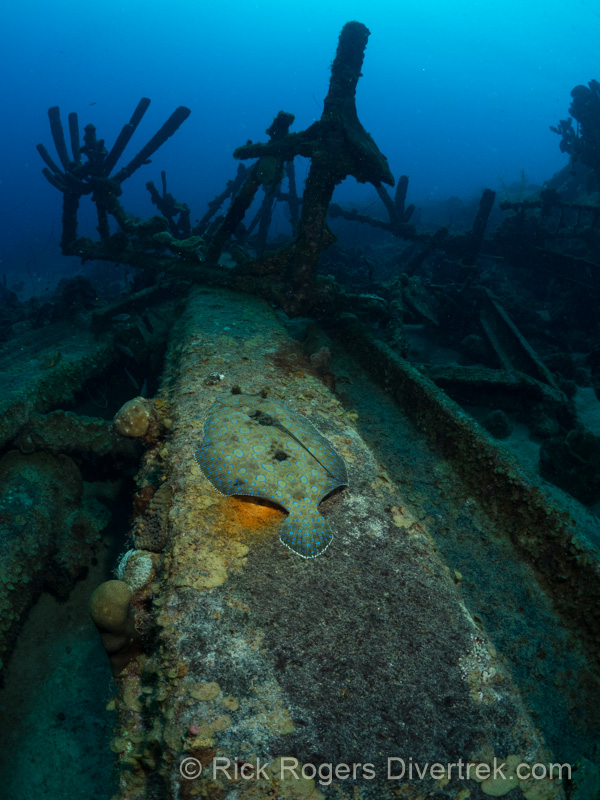
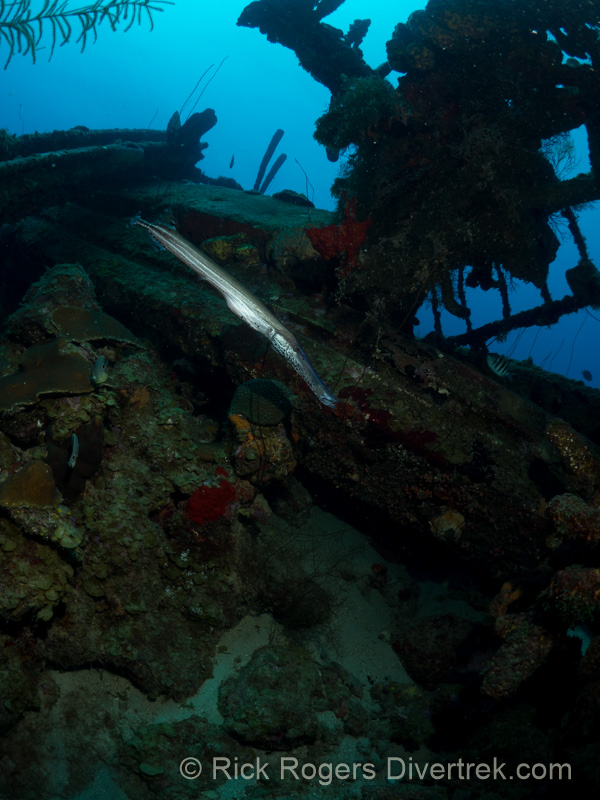
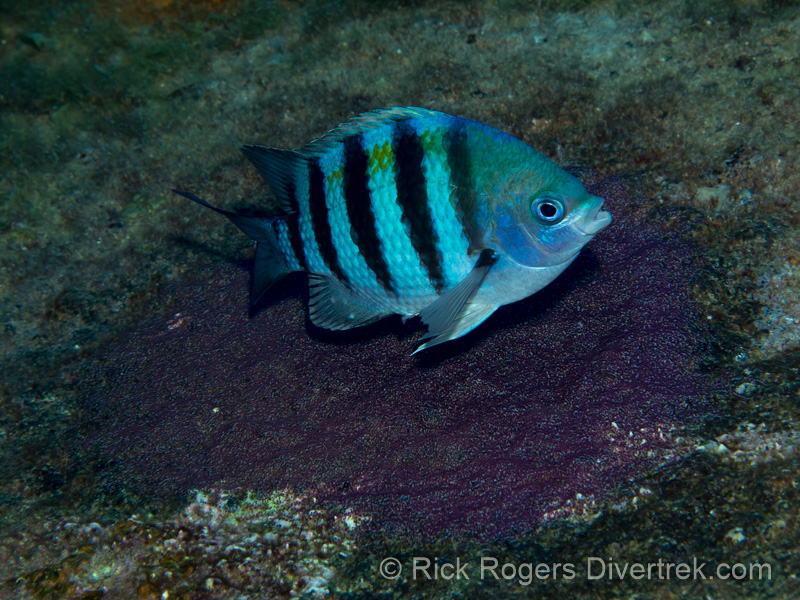
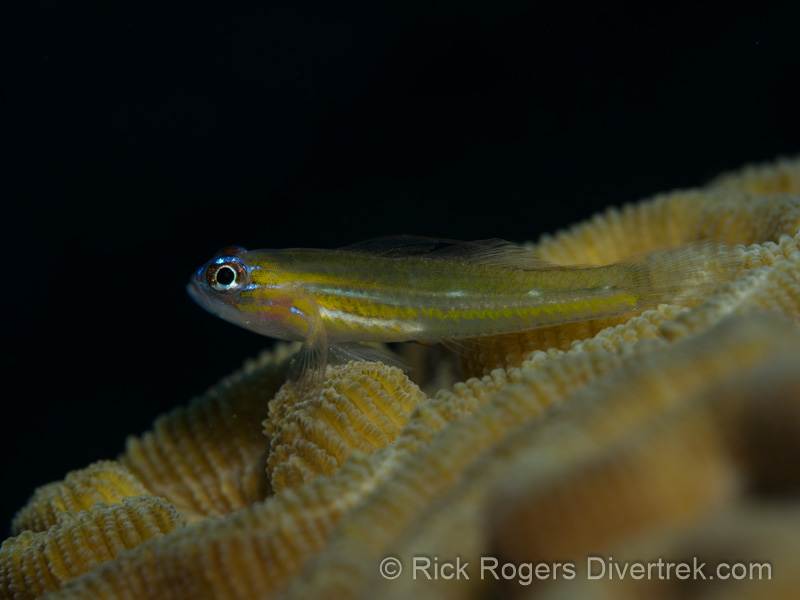
The Ocean Encounters House reef, which you have to pass through to reach the Car Pile, is well worth the dive. We had the reef to ourselves for almost the whole week! I think this is because people assume that it can’t be worth diving if it’s a house reef. But I saw a large Southern stingray there, a large Tarpon, Reef squid and all the other usual suspects. But I think the House reef’s name should be changed to Blenny City. In the shallows, if you look closely, you can find many different types of Blennies, in large numbers. Here’s some pics from the House reef:
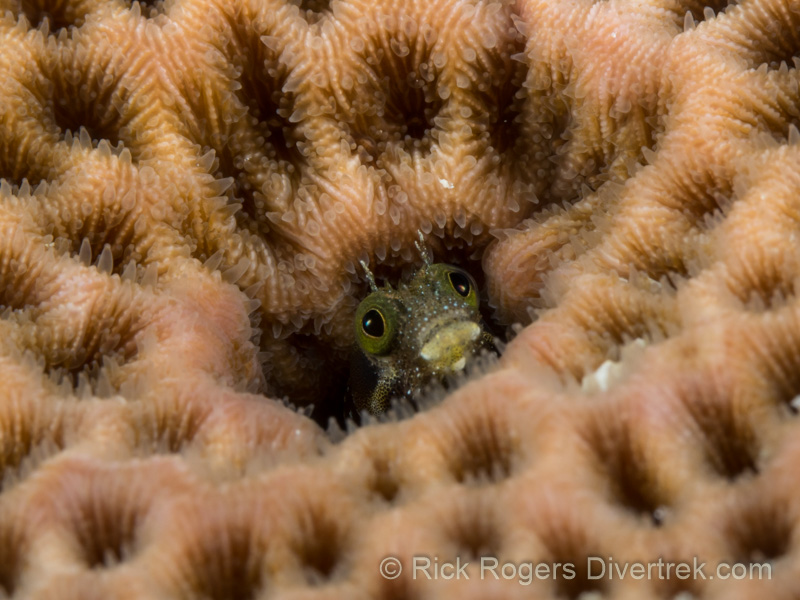
Since shore diving is so accessible, I only did a few boat dives on the East End, a short distance from the shop. They were both wall dives: Lost Anchor (no, there’s no anchor to see, as it’s lost) and Saba.
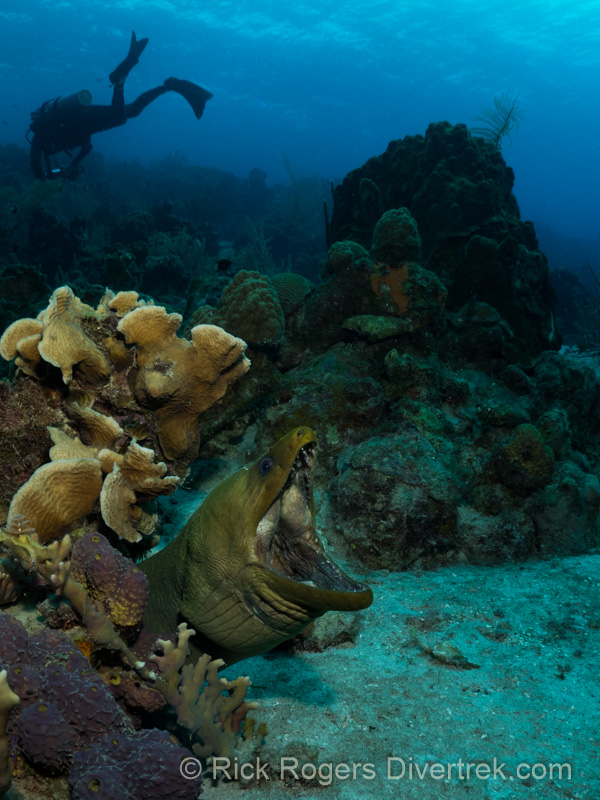

West End (Westpunt) Diving:
We dove three sites on the West end: Mushroom Forest, Alice in Wonderland (housereef at Go West Diving, at Playa Kalki beach), and Watamula. The quality of the diving increases across the aforementioned list. Some of the shallow sites were hit hard by a warming event in 2010, and most recently by hurricane Matthew in 2016.
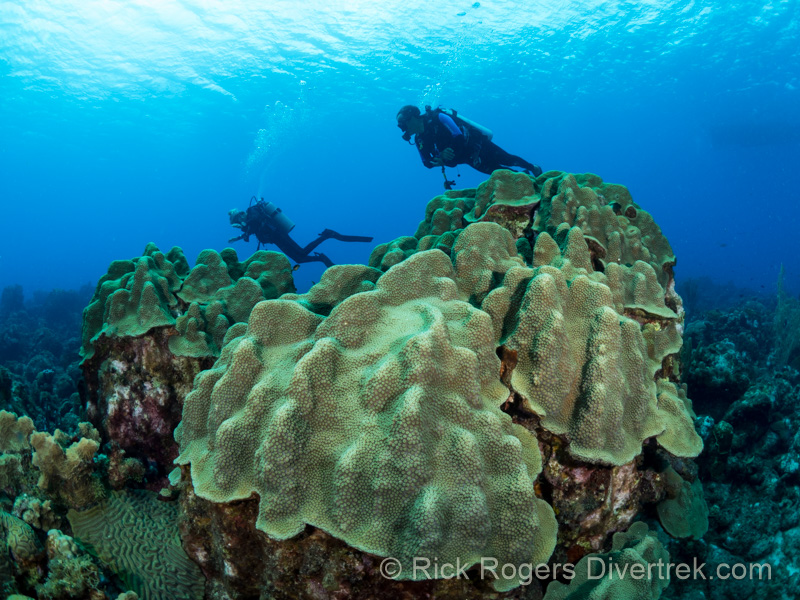
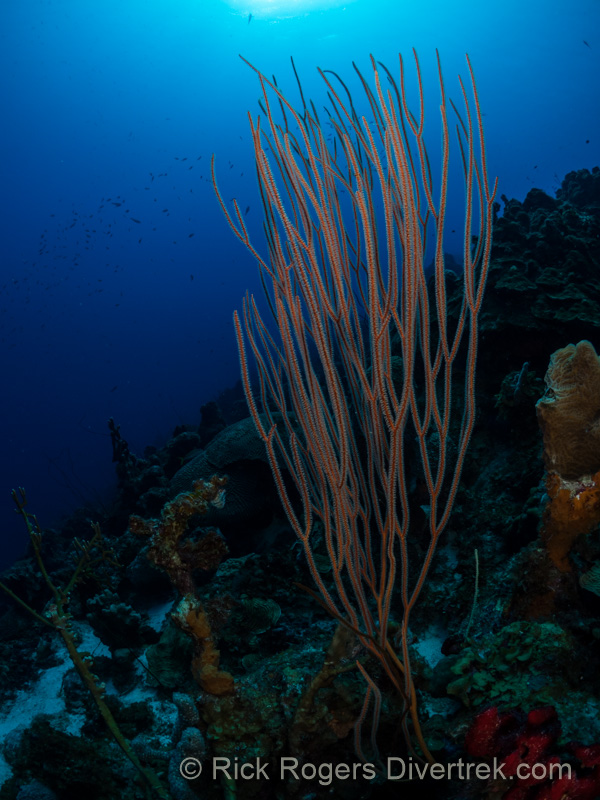
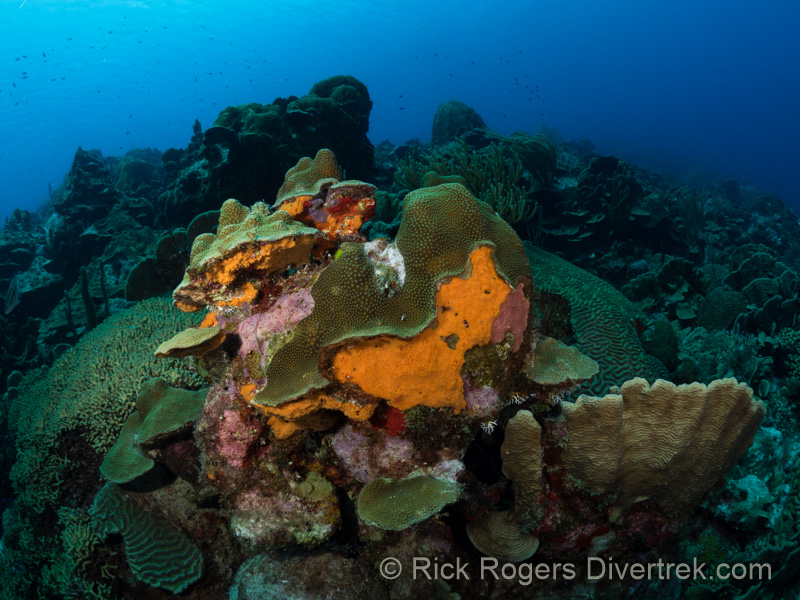
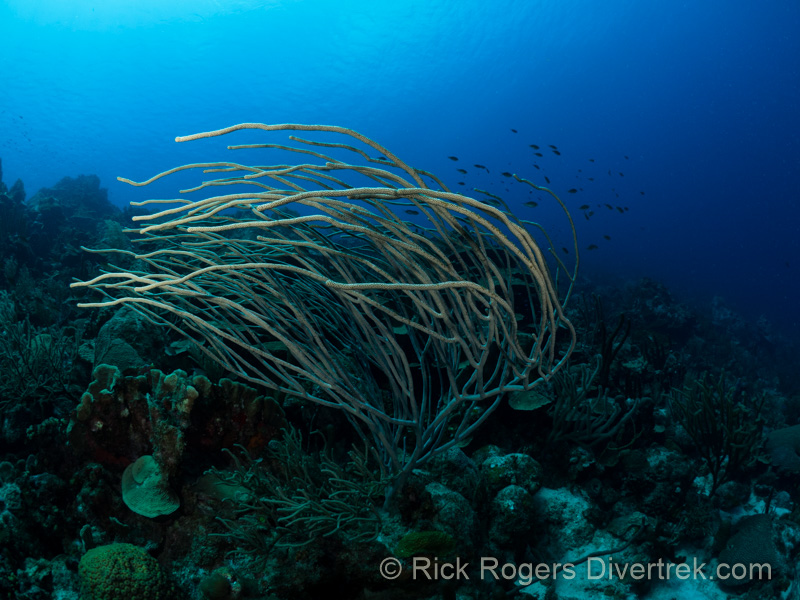
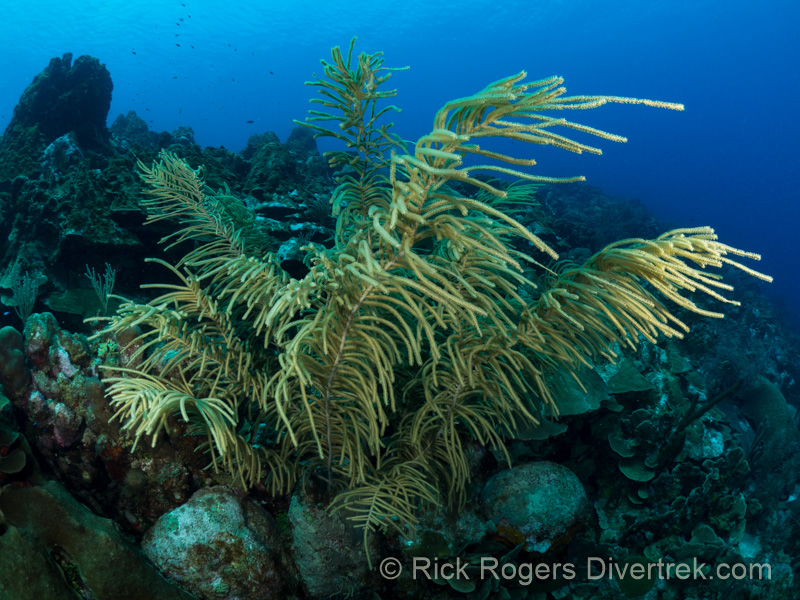
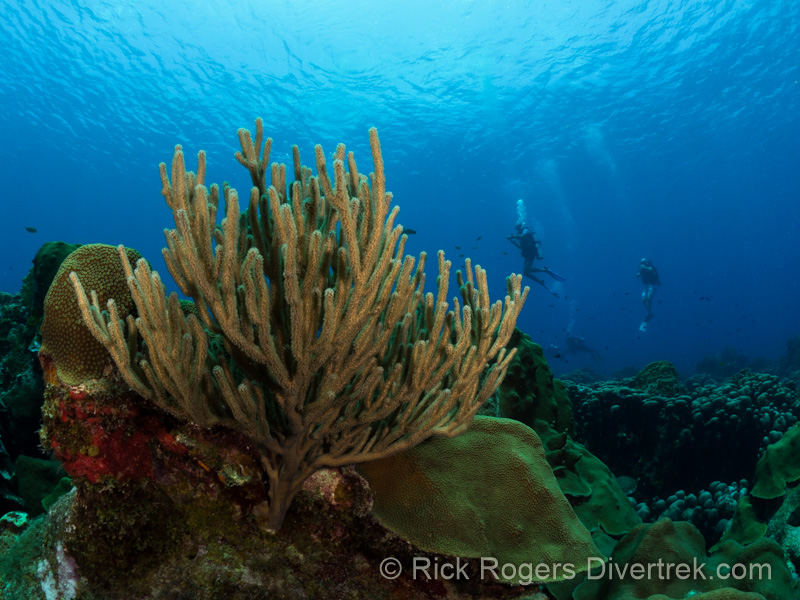
Watamula is one of Curacao’s most famous dive sites, and for good reason. The reef is very healthy, full of fish, and visually spectacular. It has more hard corals than the East end, giant Barrel sponges, and towering soft corals waving in the small current that is usually present. It’s only done from a boat, and then usually as a drift dive. Visit Ocean Encounters West for boat trips.
Tips:
Sunscape is one of the few all inclusive resorts, which can help save money on meals, drinks and snacks. Ask for a room in the wing close to the dive shop which makes it easy to access your room between surface intervals. Being able to shore dive on site made it easy to access snacks and meals between dives, which also saved on money. Ask for a second floor or higher room in order to safely hang dive gear on the balcony to dry. We purchased an off season summer trip that included air fare and the Sunscape all inclusive in Canadian dollars through Air Canada Vacations. Alternating shore diving and boat diving also keeps the cost down.
In order to access Westpunt we had to rent a car. They do drive on the right hand side the same as North America but the streets near Willemstad can be quite an adventure. Maps.me was an invaluable app for your cell and was very helpful for local driving directions. The Dive Bus dive shop is only a few minutes walk away from the resort, and they can arrange a shuttle and tanks if you wish, or dive with a group.