
July, 2024
Kauai, the Garden Island of Hawaii, offers the highest concentration of Green Sea turtles that I’ve ever experienced. It’s also a gateway to Niihau, the remote “Forbidden Island”, where divers go to dive with the endangered Hawaiian Monk seal. The island’s powerful natural beauty also offers much for the outdoor enthusiast to explore.
On this trip we dived and snorkeled (and hiked!) on the main island of Kauai, as well as at the Lehua crater, near Niihau, the “Forbidden Island”. But my priority was to get to Niihau, at least once, to hopefully get in the water with some Monk seals. However, it can be difficult to schedule a trip to Niihau, which is 17 miles west of Kauai, owing to the weather and sea conditions, especially on a smaller dive charter boat. So we opted to start the trip with a more “sure thing” on Holo Holo’s NaPali Coast and Niihau snorkeling tour. And this way I could also meet another goal of seeing the beautifully wild and rugged NaPali coast up close from the water.
Holo Holo’s NaPali Coast and Niihau snorkeling tour.
The tour is an all-day event, beginning at Port Allen on the south shore at 6 am. Their craft is a 65′ fast and stable catamaran (double-pontoon) which makes the crossing about as pleasant as is possible. We were served a hot breakfast once underway while enjoying the expansive scenery of the south coast and the sand beaches of the SW coast. If you’re prone to seasickness, now’s the time to take your medications in preparation for the crossing which sometimes can be wavy, but more so in the afternoon!
Rounding the coast Northwards it becomes increasingly rugged and mountainous as you approach the scenic NaPali Coast State Park along the NW coast. Like being transported to another world, the whole trip is visually stunning and awe-inspiring. You will stop at sea caves, arches, and see some waterfalls (rain dependent) in addition to the likelihood of being greeting by Spinner dolphins.
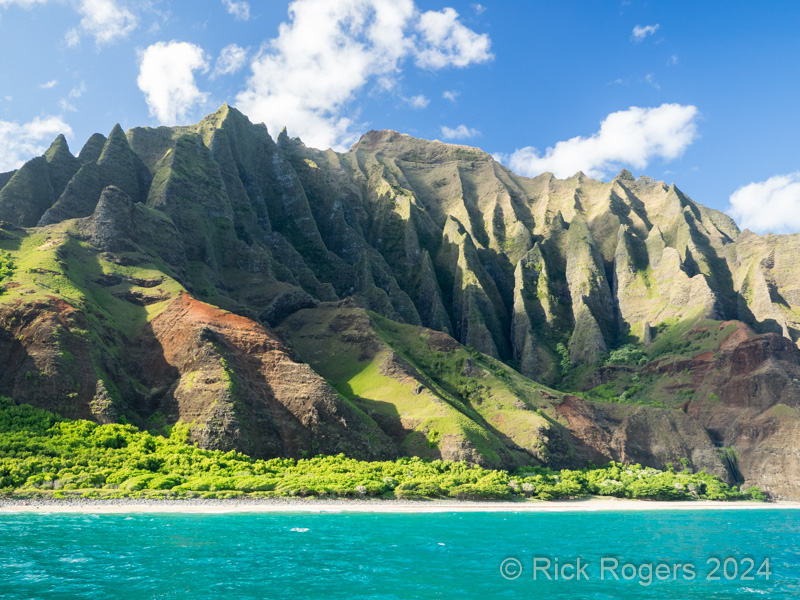
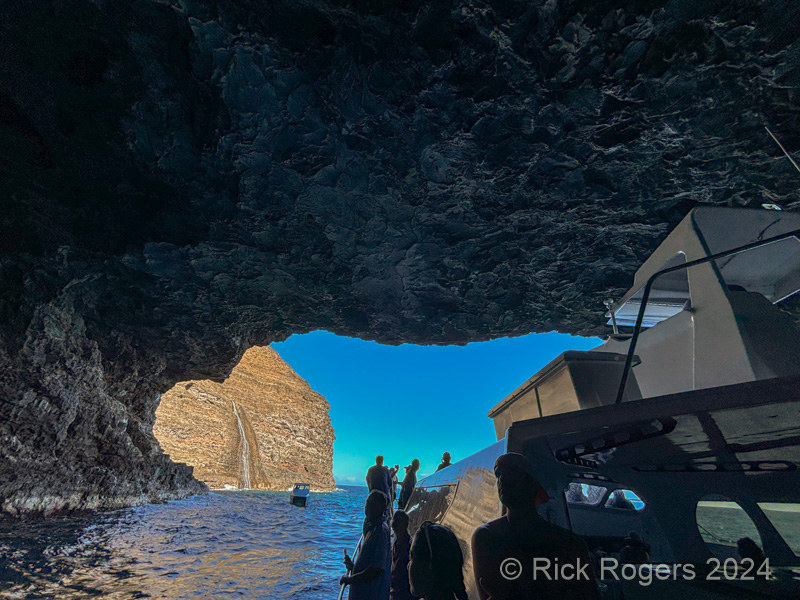
We then travelled back down the coast to the closest point to Niihau (pronounced nee-ee-how) before making the nearly one hour crossing. Despite the advertising of the alluring “forbidden island” of Niihau, all of the diving and snorkeling is done at the nearby Lehua crater. Niihau is privately owned, and supports a small population of residents. You must be invited to land there.
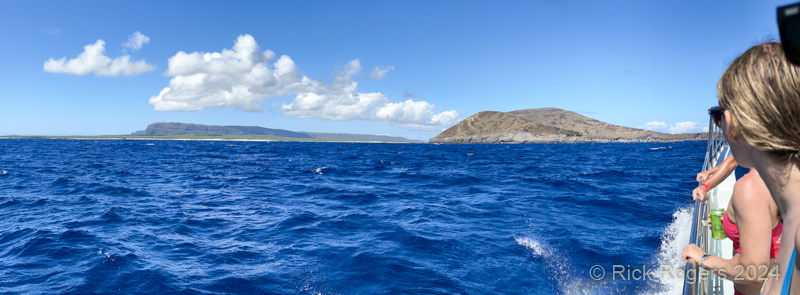
Lehua is starkly beautiful with mesmerizing geological features, such as the picturesque “keyhole”, a huge vertical crack which nearly divides the crater in half. Proceeding around the inside of the crater to the other point, the crew selected a site called “Stairways“(at the far tip of the crescent in between the islands), which was protected from the prevailing winds/waves and which had minimal current.
After a safety briefing, small snorkeling fins were distributed (and masks and snorkels to those who required them), and you were invited to jump into the clear and inviting waters. For safety, two of the crew circulated around on paddle boards. Freediving was allowed, and as such, I wish I had of brought a larger pair of fins with me for more propulsion. The water was 81 degrees Fahrenheit at the surface, so no neoprene was required to be worn.
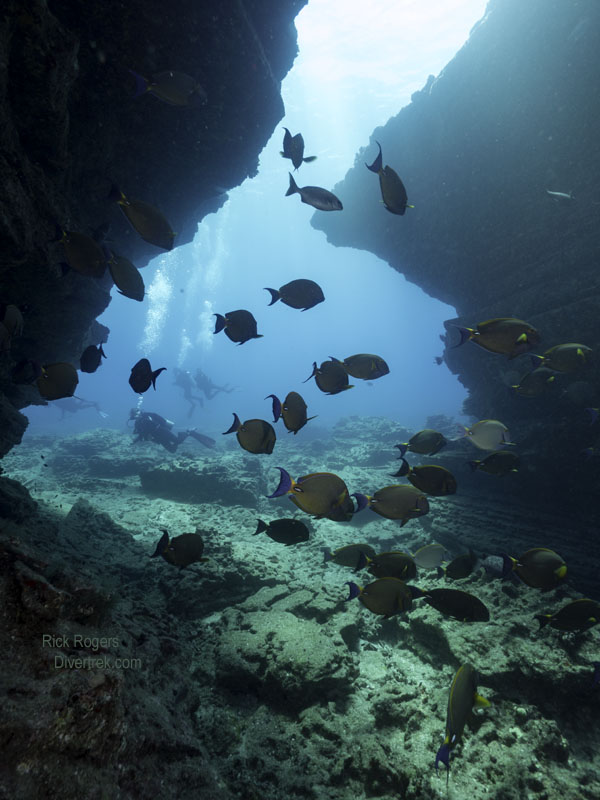
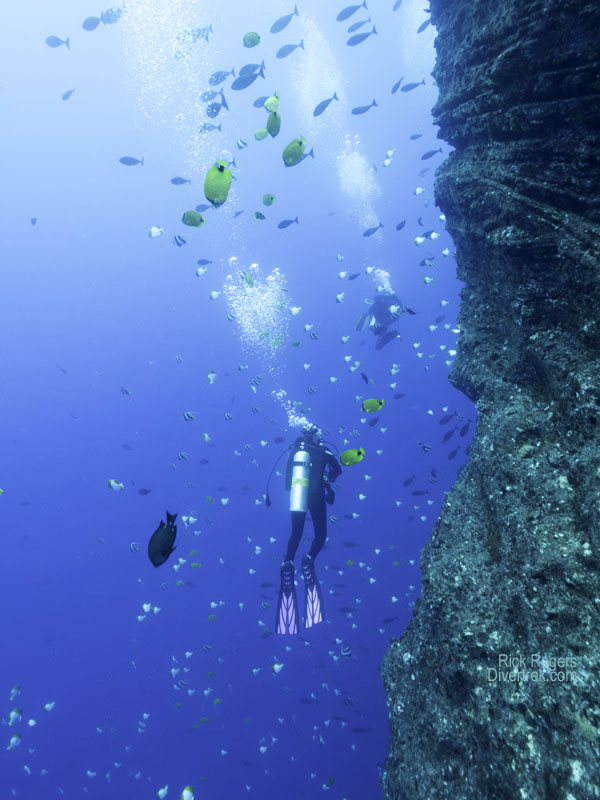
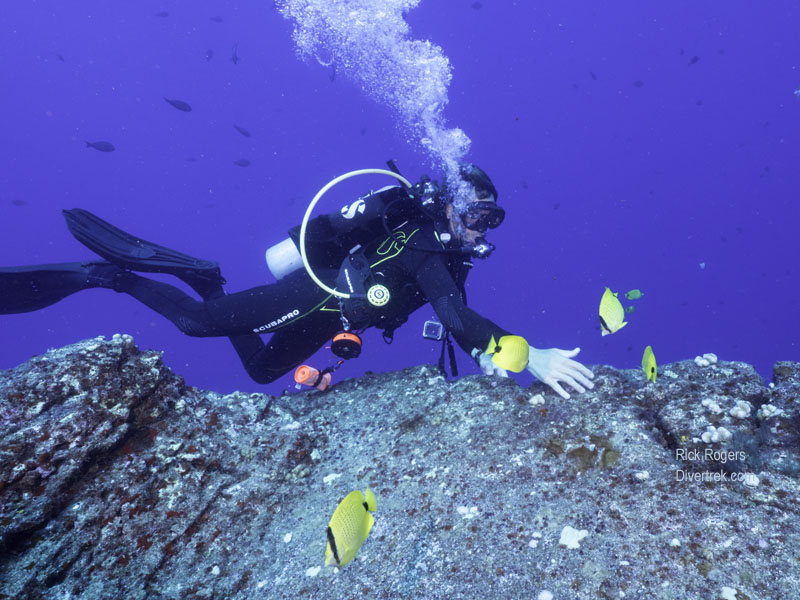
Lehua might look desolate on the surface, but beneath the surface the island is teeming with life. The first thing to grab your attention after jumping in is the hundreds of fish swarming the site, which was in 20-30′ of water. It seems the fish were gathering to feed in the mild current.
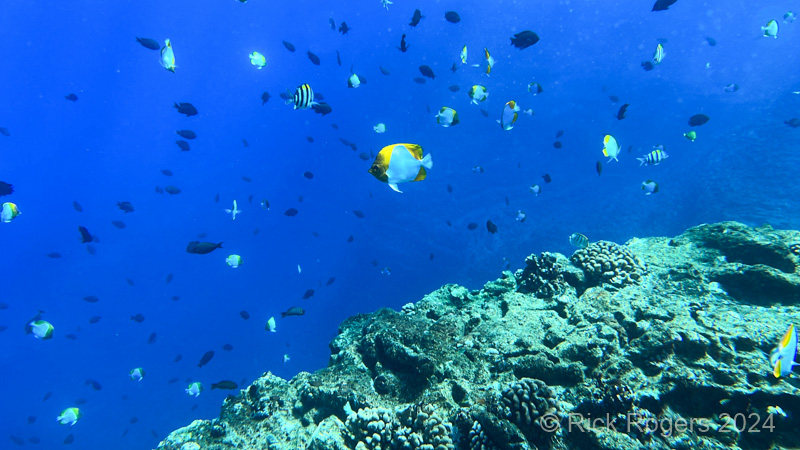
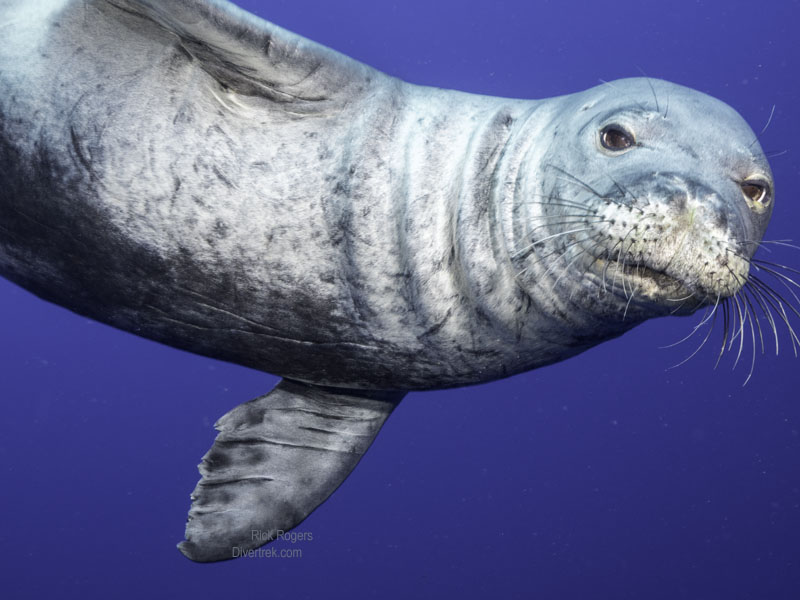
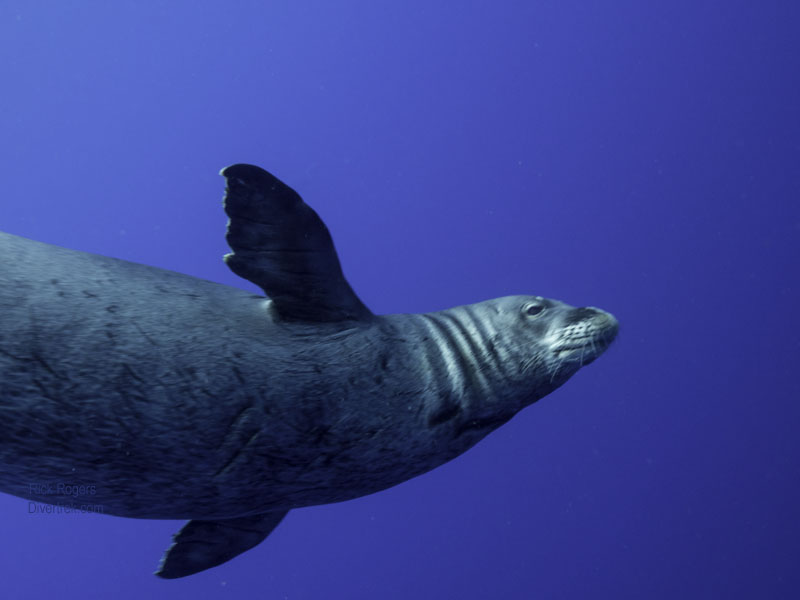
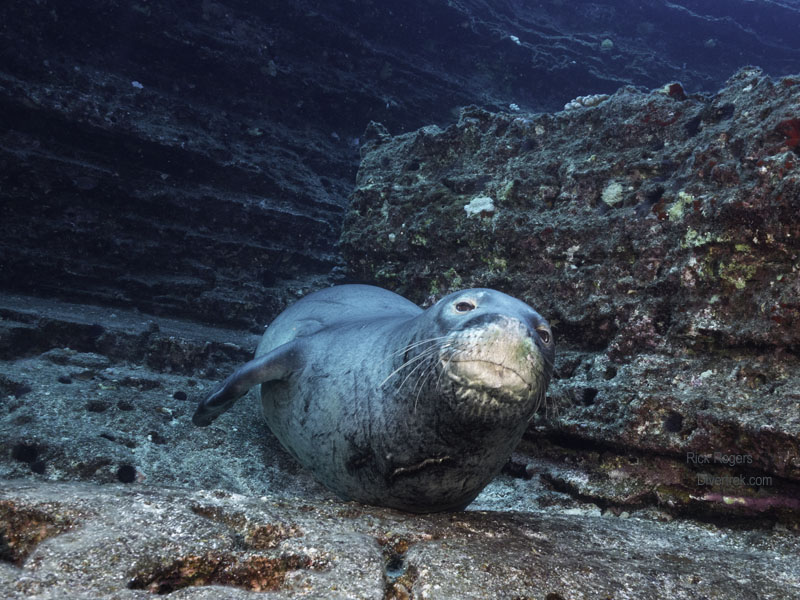
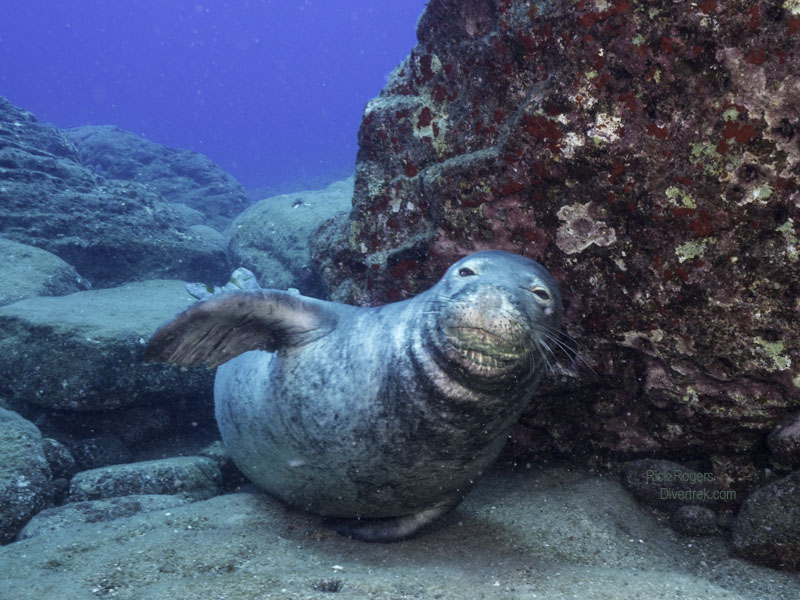
And before you ask, I didn’t see any sharks. But I did get what I hoped for, a Hawaiian Monk seal!
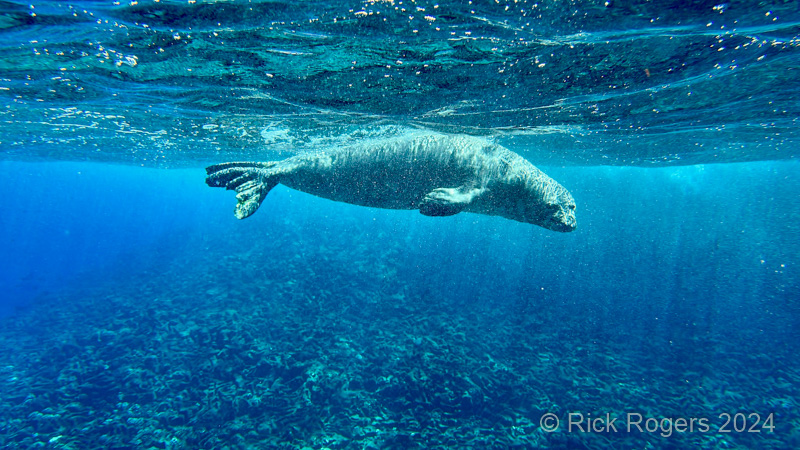
I always try to spend as much time in the water as is possible to maximize my chances of a sighting or an encounter. With less than a handful of people remaining in the water, and the 10 minute warning already sounded, this happened…
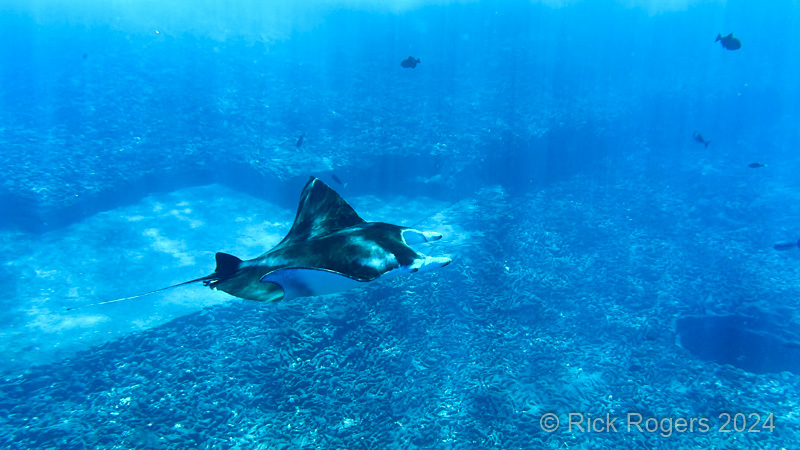
Diving Kauai.
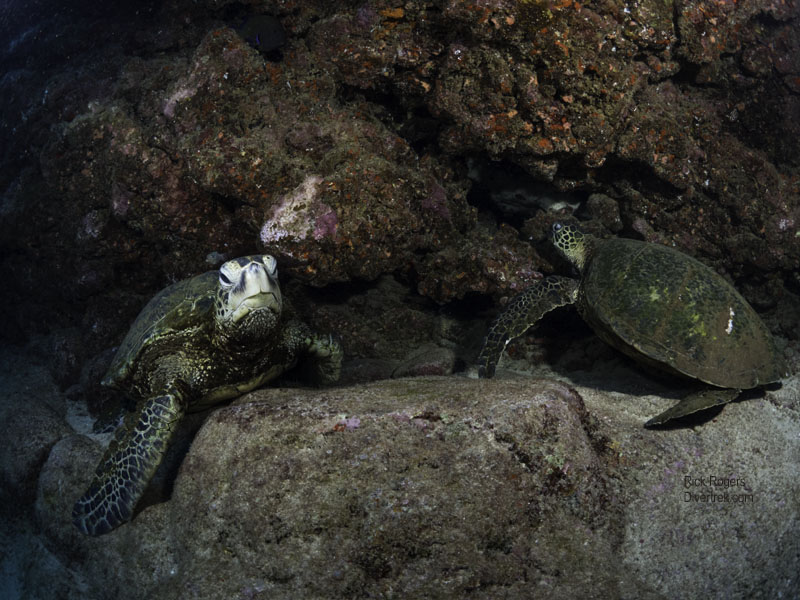
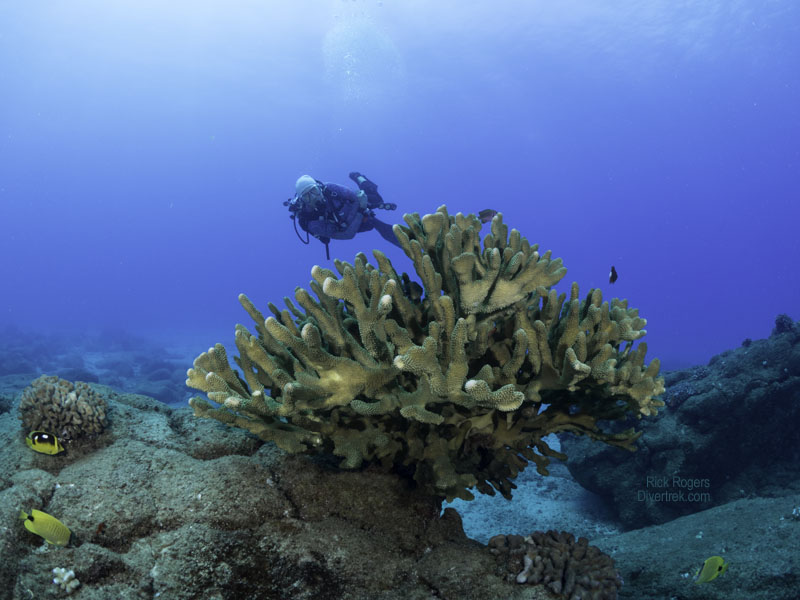
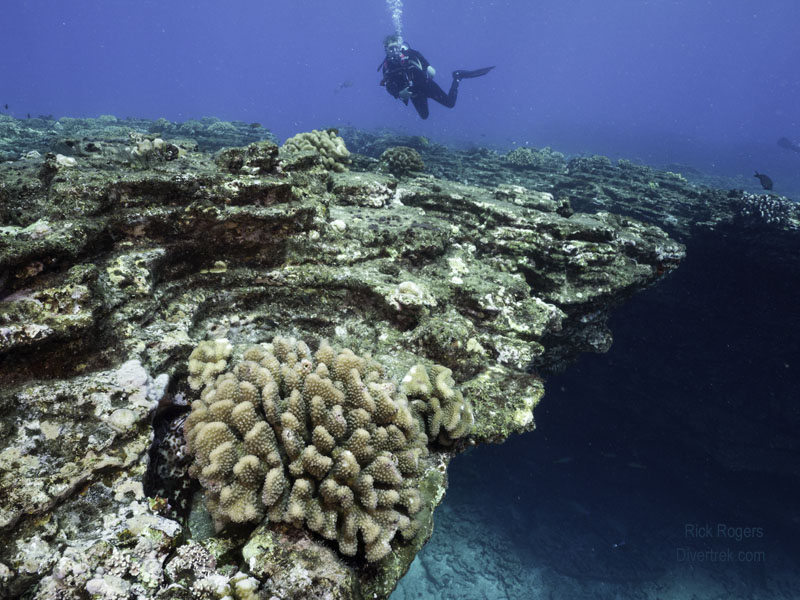
Kauai is the oldest of the Hawaiian islands, at approximately 5.1 million years, and as such it has had plenty of time to weather and erode. Unlike Oahau which has deep water drop-offs close to shore, Kauai has a much more sloping underwater topography that is surrounded by protective fringing reefs. The near shore areas is an algae-based ecosystem that is pockmarked with crevasses, lava tubes, underwater shelves, and rock formations. In other words, it forms the perfect turtle habitat. Every dive we did there had multiple turtle sightings and encounters. This is the very reason that the island has attracted National Geographic photographers to it.
Most of the diving is done on the south shore, in the lee of the prevailing NE trade winds, and sheltered from the large winter swells from the North that pound the island. As of the time of this writing, the shore dives on the North shore (such as the famous “Tunnels”) were closed for conservation reasons. Visibility was typically in the 50-60′ range depending on rain fall amounts, tide cycle, and even wave action (from the wind) which moved murkier water around.
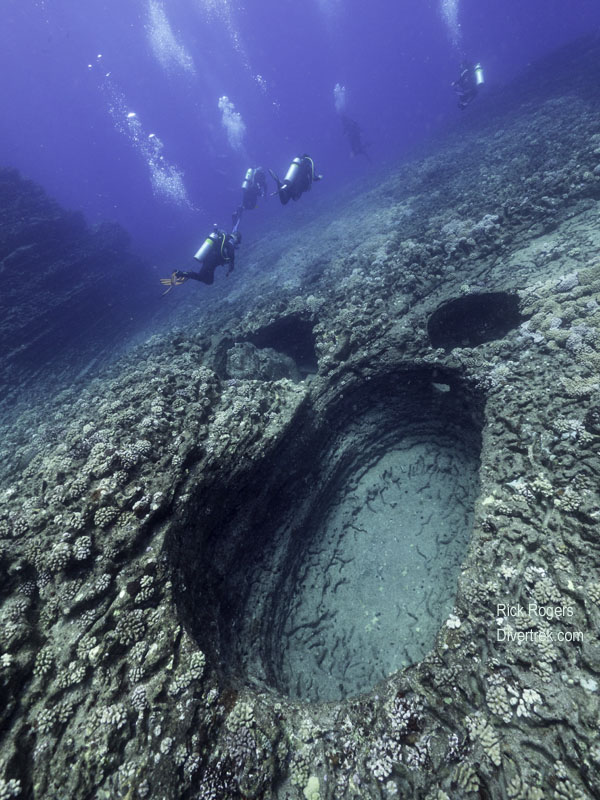
Our first dive site was at “Fish Bowl“, and like it’s name-sake you will see schools of fish there. As is typical of Kauai, the bottom is largely rocky with interspersed stony corals. Fish Bowl also has a large circular rock pit, that is a known turtle cleaning station. Maximum depth was at 70′ with a water temperature at 79 degrees Fahrenheit.
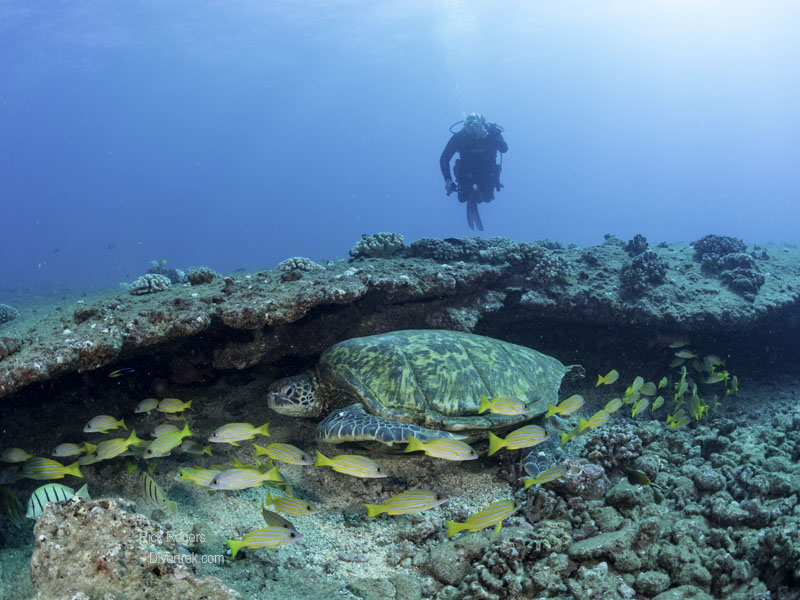
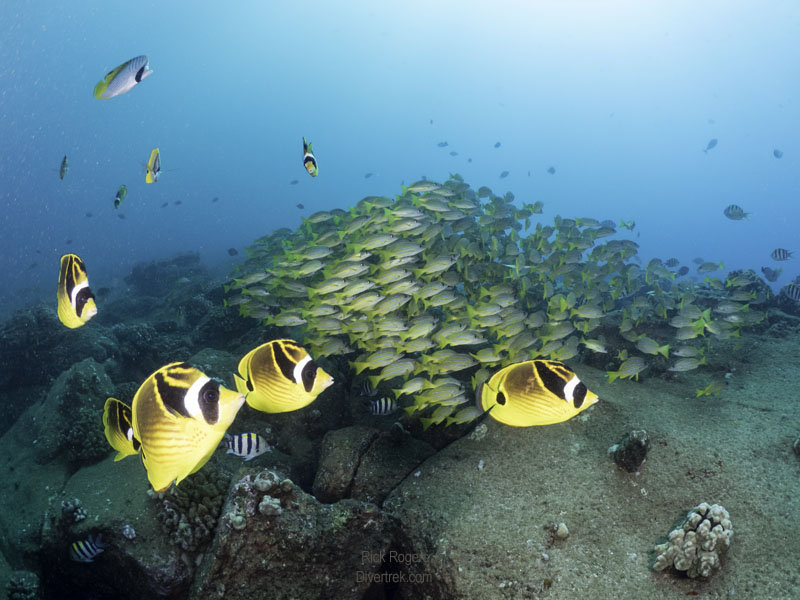
This dive site is where I was first introduced to the invasive Ta’ape (pronounced taw-app-ay) , or Bluestripe snapper, which you will see at other dive sites. It was intentionally introduced in 1955 from the South Pacific to provide an alternate fishing stock. However, it has out-competed many of the native fishes, which unfortunately, also provided turtle cleaning services. This might explain why I saw many turtles “beaching” themselves on the beaches around Poipu at the south end, to dry out their shells and remove algae and other “hitch-hikers”. Turtles amassing themselves on the beaches like this is a relatively recent phenomena.
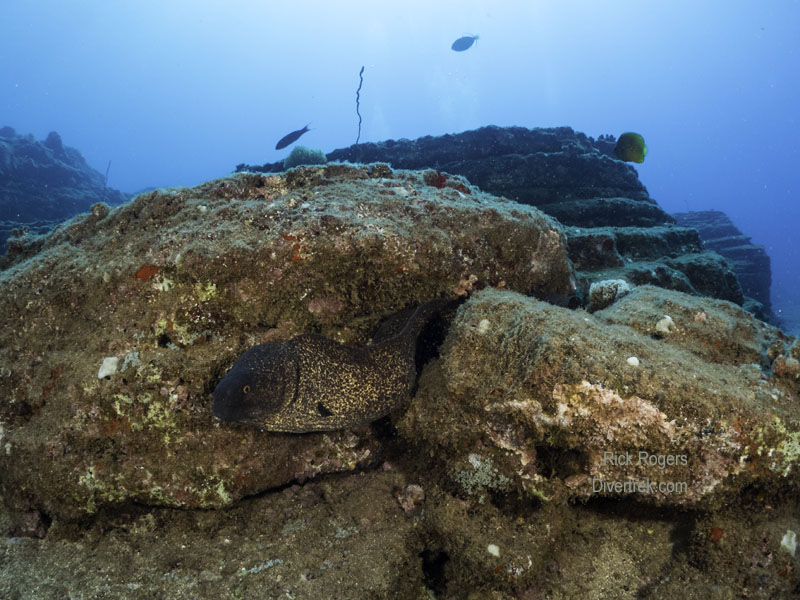
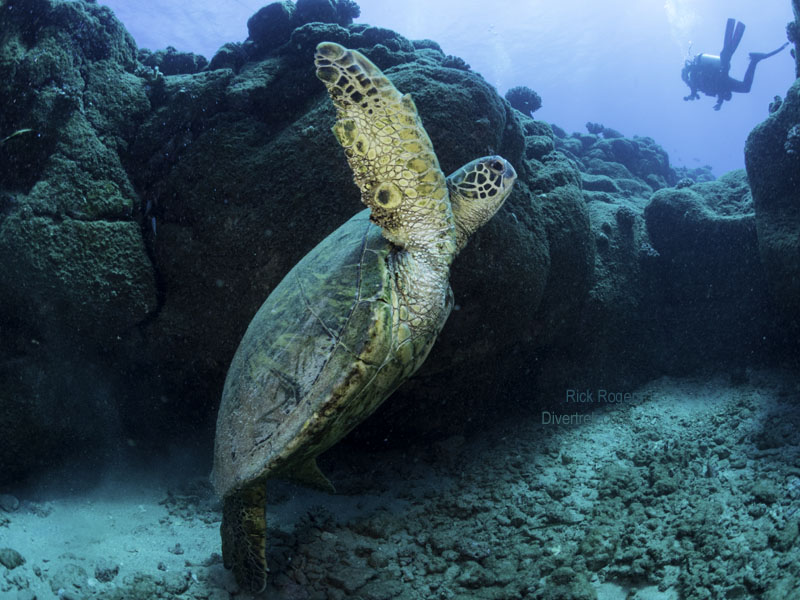
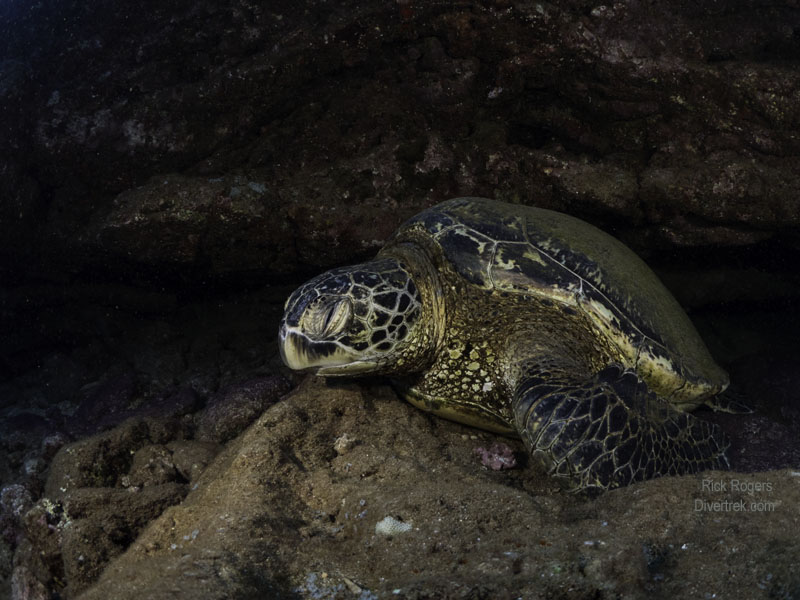
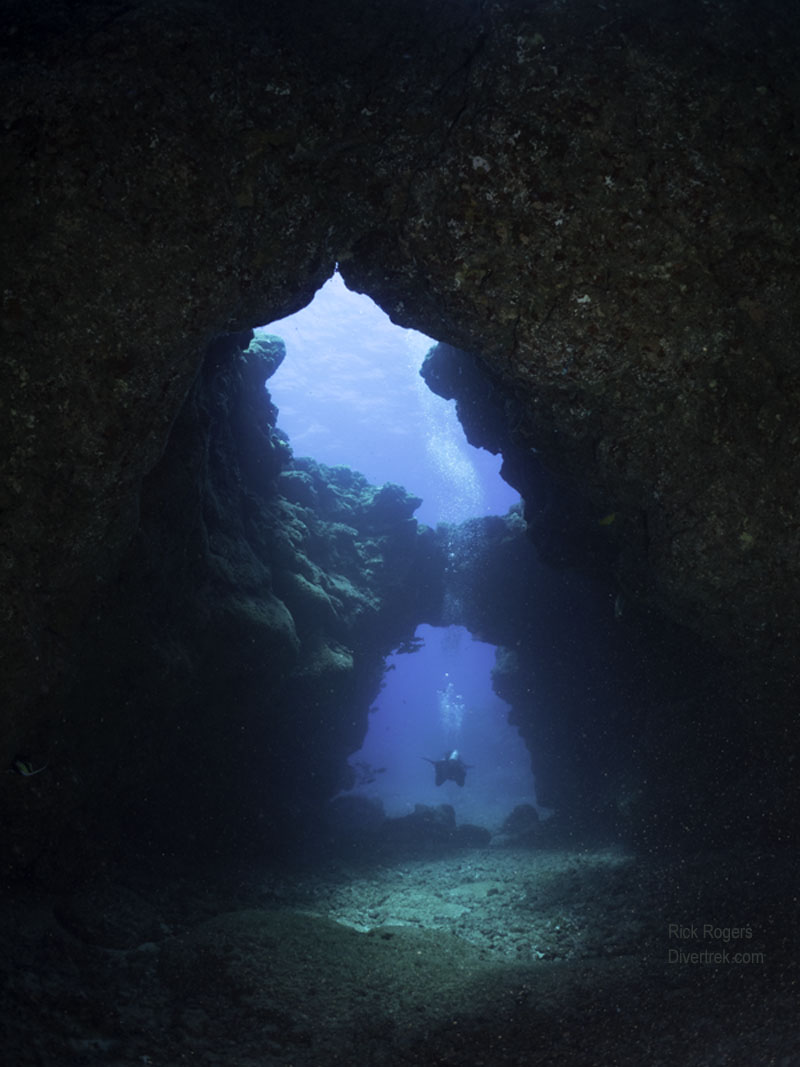
The second dive site was at the well known Sheraton Caverns (owing to it being situated in front of the Sheraton Resort), a must-do dive site. In fact, I dove this site three times, and still itched for more! Every dive was a little different, and to be honest, I never even made it through the whole dive without stopping to photograph something or watch turtles. The site is renowned for all the patch-work of tunnels, caverns, swim-throughs and passageways that are just fun to explore. You literally can’t wait to see what’s around the next corner. And another reason it is so popular is because the wildlife there is just so habituated to divers that they are “friendly”, and approachable. Unfortunately, the south shore tends to get Kona Winds (25% of the year) and a southern swell during the summer months which tends to reduce visibility, especially at the shallower sites.


Diving Niihau, the Forbidden Island.
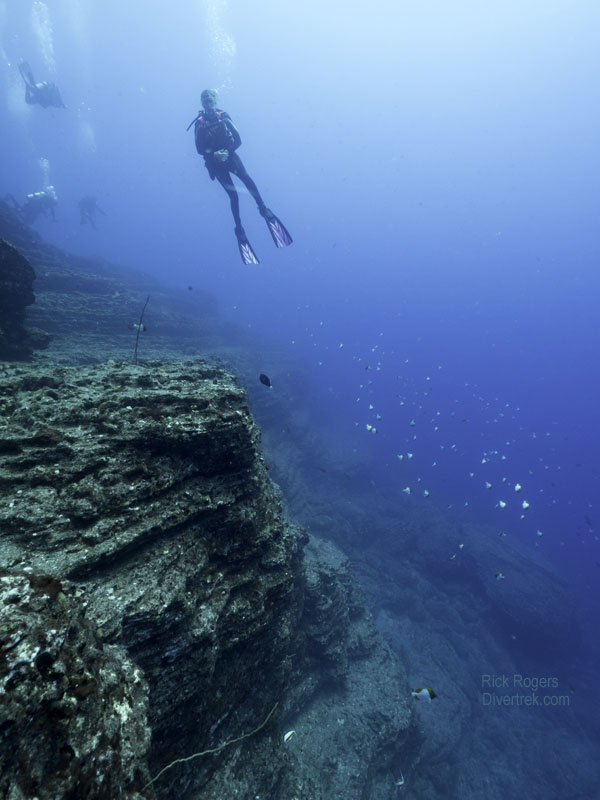
The main event for this trip was the “bucket-list” dive at Niihau (formally spelled Ni’ihau, and pronounced nee-ee-how). Despite the advertising by Dive companies (“forbidden” just sounds so enticing!), the vast majority of diving is actually done on Lehua Island, about 3/4 of a mile (1.2 km) North of Niihau. All of the dive sites are on the West side, with 2 at the two points of the crescent-shaped island. It’s a three-tank dive at $430 USD, and potentially a 12-hour day but worth it! The crossing from Kauai is about as comfortable as it can be on Seasport’s (Seasport Divers) 48 foot cruiser, and took about 2 hours one way. The crossing back typically is longer owing to the winds and waves they generate.
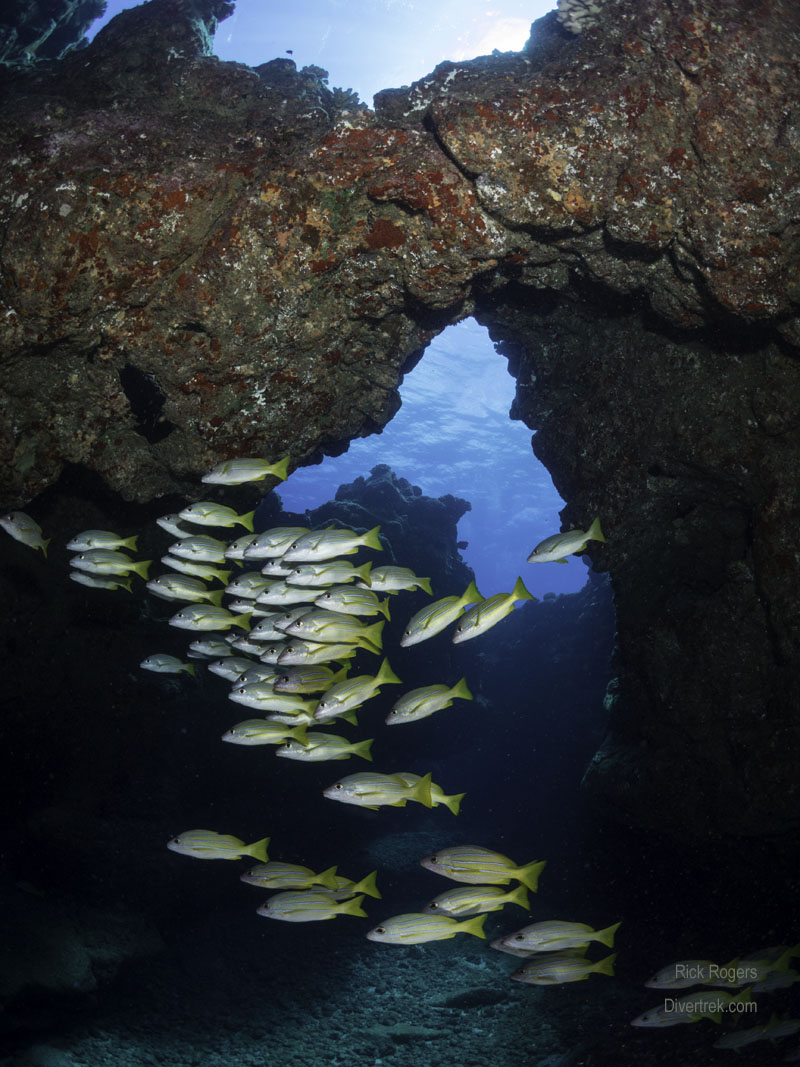
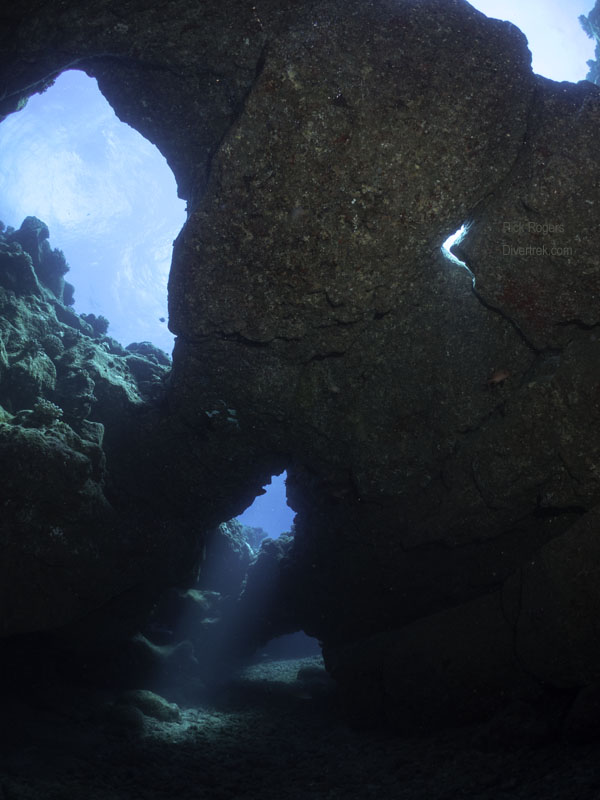
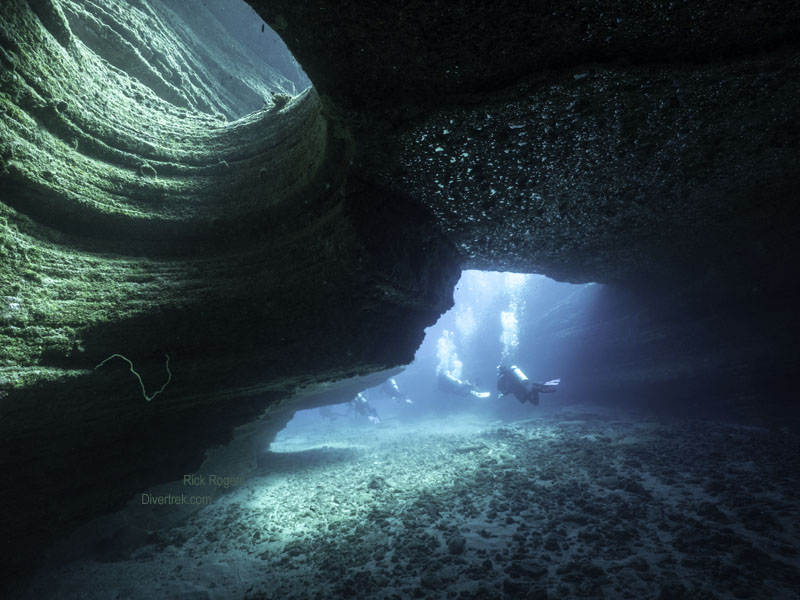
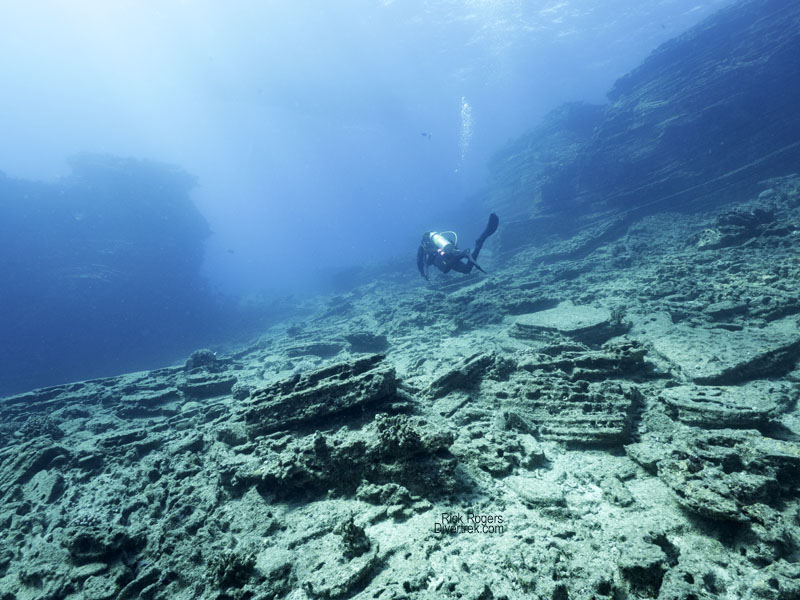
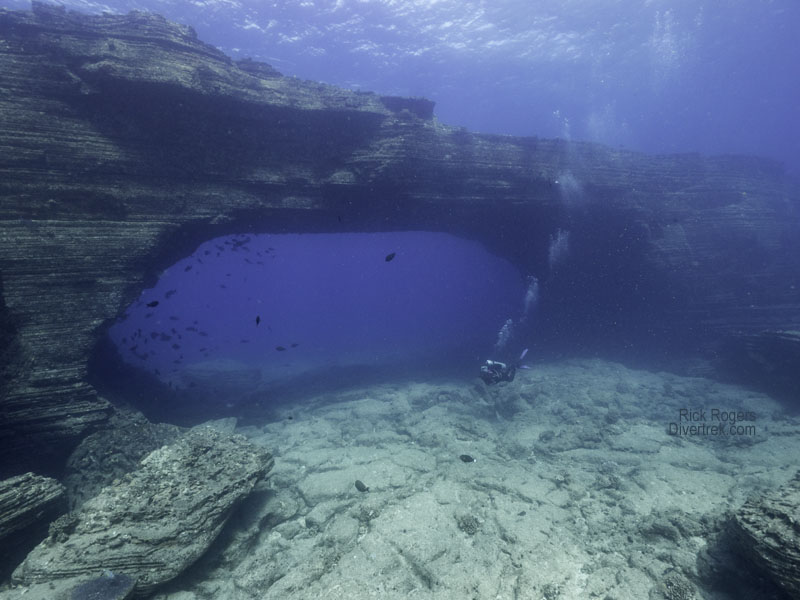
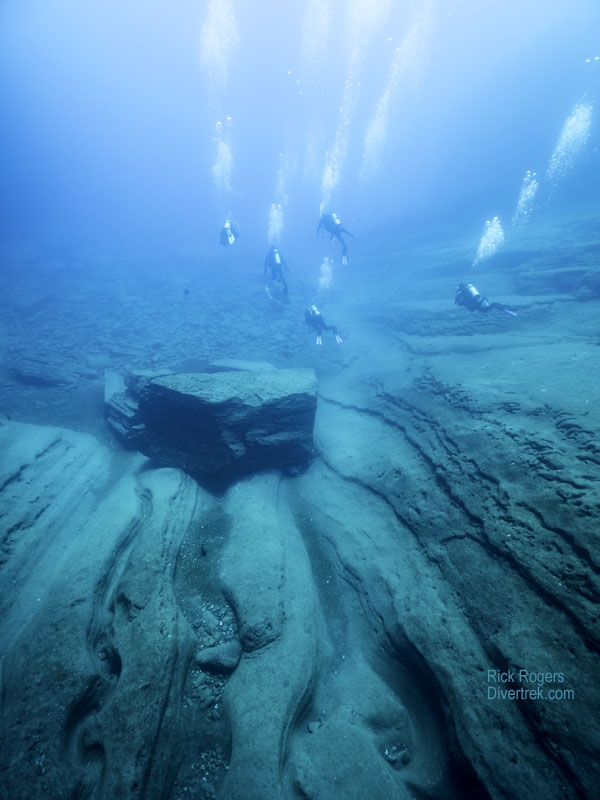
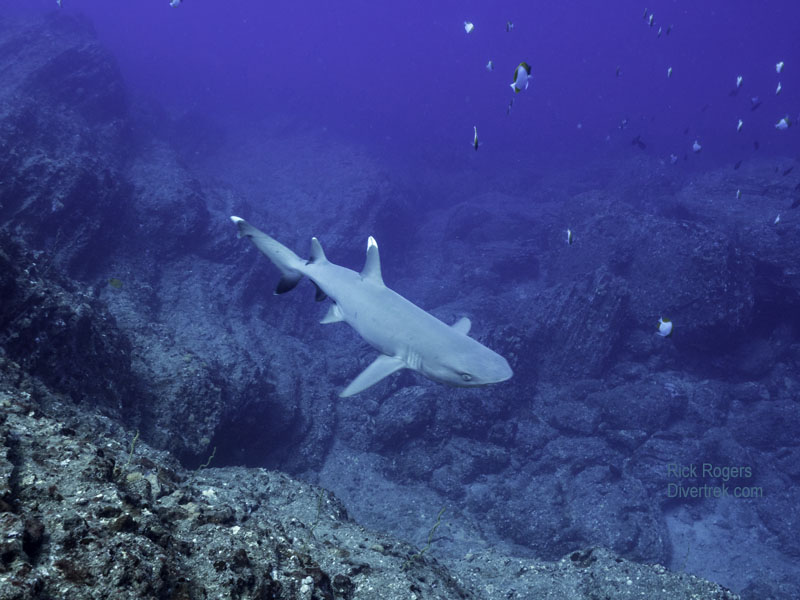
What is the allure of the diving there? Lehua island is a truly remote and wild location which can only be dived from May-September owing to the water conditions. The main attraction is diving with the endangered Hawaiian Monk seal, but you can also expect lots of visits from several types of sharks as well. But even if there were no Monk seals- or any fish- I would still dive it. The underwater topography that you will see there-particularly at Arches dive site- would strain the imaginations of a science fiction writer! It literally made me feel like I was exploring a sunken, lost civilization. At the other two dive sites, moving northwards into deeper water, we saw more sharks and seals.
Tips:
Accommodation in Kauai is expensive. We stayed at Kapaa Garden Apartments that was booked through Airbnb. The apartments are bachelor, and 1 or 2 bedrooms with a kitchen. Some units have a lanai (screened porch) which I recommend for rainy days, or drying your gear. The bachelor apartment we stayed in was relatively small but well appointed, and there were so many other great things about this small 22 apartment complex. For example, enjoying the view of Sleeping Giant Mountain from their spacious back yard and having coffee on the gazebo there every morning. They also have outdoor showers to rinse your gear, a large bbq, and free bikes to use to ride the nearby scenic Kapaa bike trail along the NE coast. Food can also be pricey so you will have a kitchen to cook meals and grocery stores are close by. We often packed a lunch. There are also several restaurant options nearby. And one of our favorite parts of our stay were the cats at the apartments. The manager and owner of this building takes such good care of a small group of cats that have been TNR’d.
A car is essential to getting around the island. There is often frustration for people at the airport as the big companies overbook and there are large lines as the planes come in. We went with a local company called Pineapple Express. They were more reasonably priced and will pick you up and drop you off at the end of your stay. They included beach chairs, an umbrella and cooler back pack. We added rental insurance through our car insurance company.
There are many things to do on Kauai topside if you like the outdoors/active lifestyle, such as biking trails, hiking trails, swimming/snorkeling beaches and world-class sight-seeing. They are too numerous to describe here in this article, so I will make a separate Part II post for these shortly.
Oh, and “The Crack” take-out eatery beside the Seasport Divers dive shop is a local favorite (and one of ours).