
July 11-13, 2014.

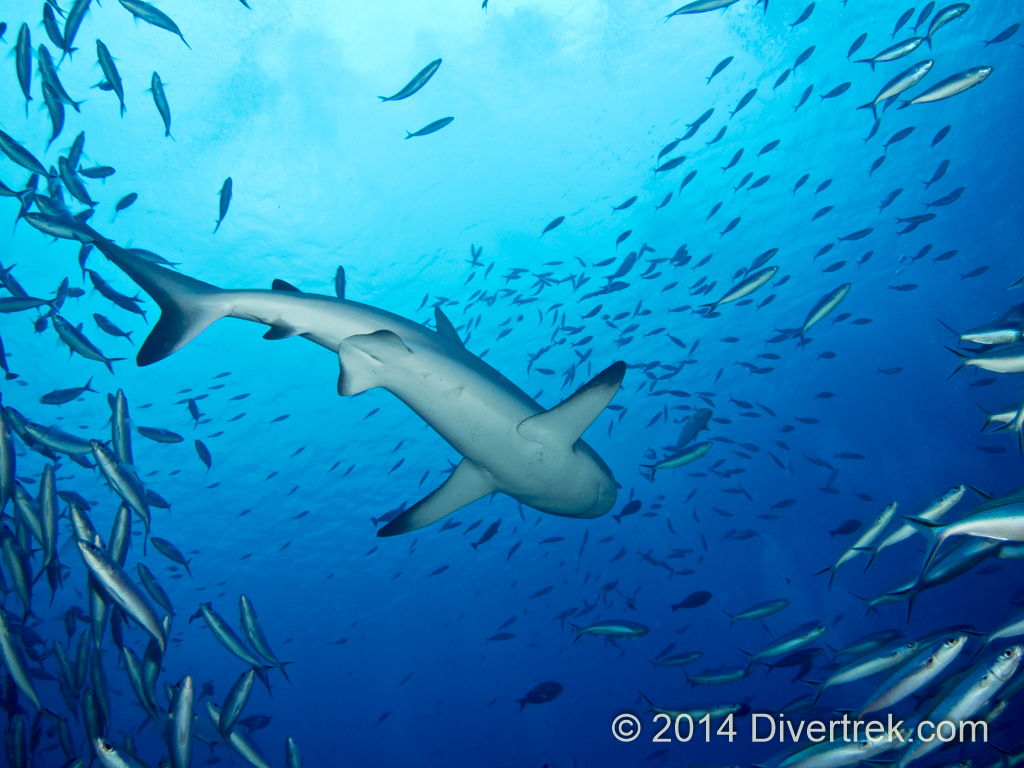
Every year, around the full moon of July, one of the greatest shows on Earth unfolds. Groupers gather by the thousands to spawn in the passes. Of course, all of this activity draws out numerous hungry predators from sharks to smaller fishes.
I think a thirty second video clip that I took best captures the frenzied excitement and the building activity as the Groupers gather, leading up to the actual spawning event. Overwhelming at times. I saw mostly Grey Reef sharks, some Blacktips (not to be confused with Blacktip Reef sharks) and one very large Lemon shark.
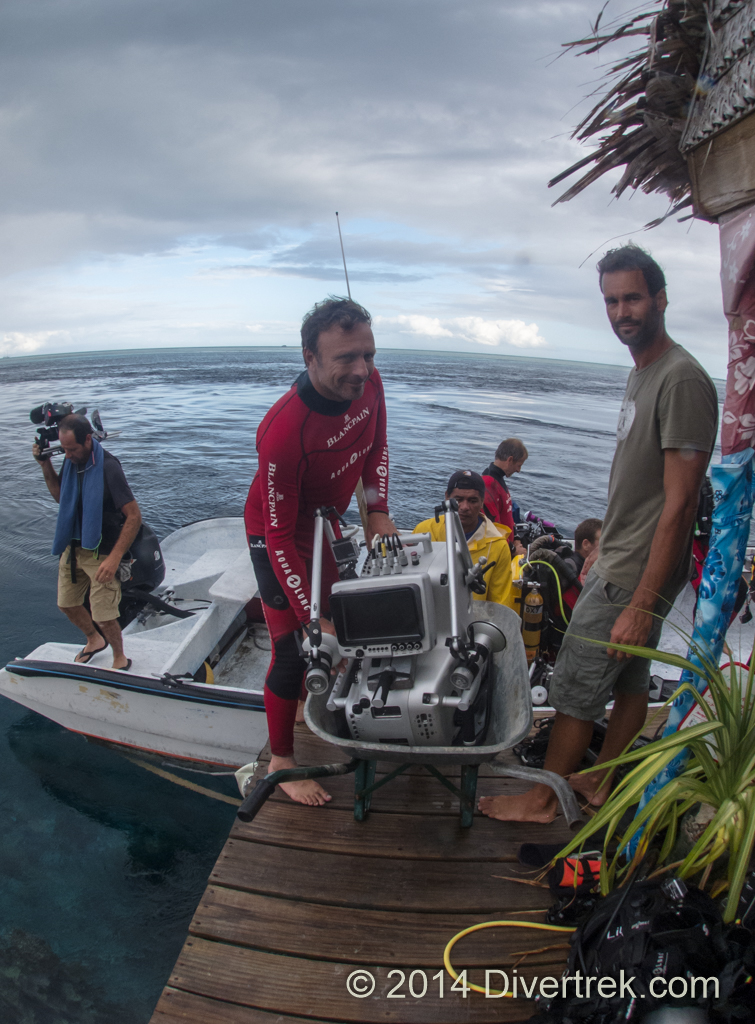
A French film crew had arrived earlier to prepare for this. They were shooting a documentary called “Project Gombessa”. These divers were on rebreathers using rich Helium mixtures so that they could remain down for long periods of time (24 hrs, breaking records in fact). Breathing air down at about 90′, our bottom times were much more limited than theirs was.
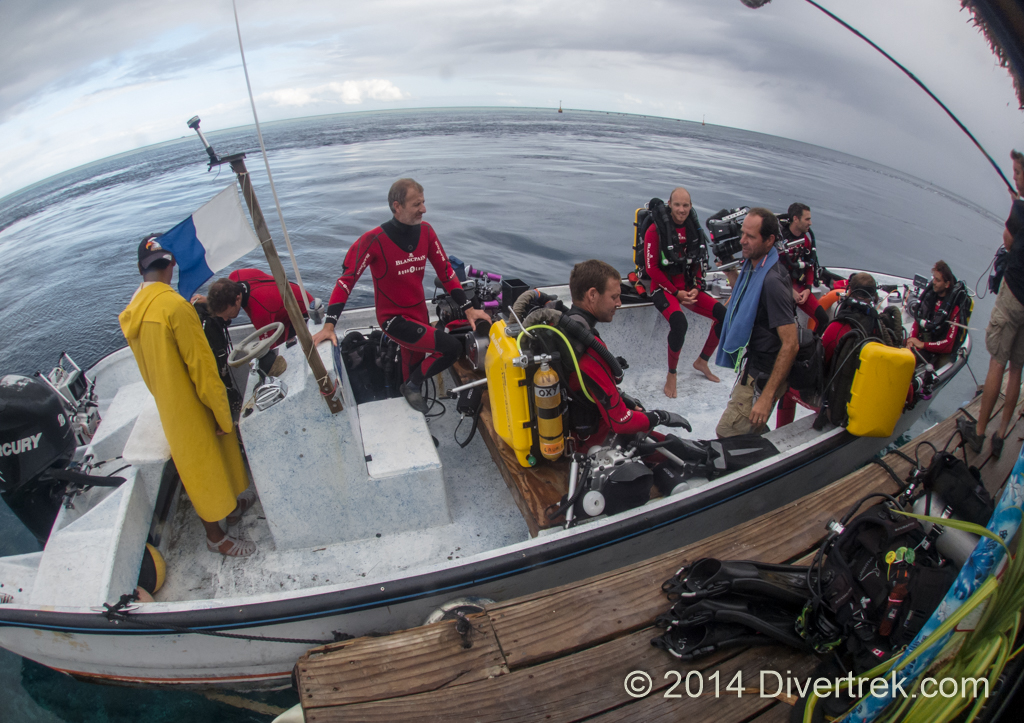
Over several days we did morning dives to check on the progress, with the activity building and building. The approach of the full moon is the signal for the Groupers to begin gathering in the Pass. The final trigger, near the actual full moon, is the switch to an outgoing tide. From an evolutionary perspective, this maximizes the chances of survival for the fertilized eggs, since there are more predators in the Lagoon. You can spot the females because they are larger than the males, with their bellies swollen with eggs.


It is possible to witness some random spawnings before the “main event” nearest the full moon. I did see one male grouper nudge a female right in front of me and then they explosively swam up out of the school in unison and released a white cloud of sperm and eggs. But during the main spawning event, it occurs frequently all throughout the school, like “popcorn popping”. Opportunistic predators like sharks pick them off during their moment of blissful disregard. This video by Rodolphe Holler captures it nicely:
The morning that we believed the timing was right, we waited at the mouth of the pass in the dive boat ready to go. When the current changed from slack to in-flood (that’s not a typo), the signal was given, and we splashed. What followed was one of the biggest disappointments of my life. What had once been a buzzing hub of activity full of life, was now a desert in comparison. The Groupers had spawned in the early morning hours! For some reason, the leading opinion was that these Groupers were different-that they would spawn during the incoming flood. They weren’t, and didn’t. And we had missed it!
Later that week, at neighbouring Rangiroa, a guide explained to me what went wrong. He showed me a text describing that Groupers actually spawn during the outgoing flood, to the open sea, in order to maximize the survival chances of their fertilized eggs. If they had spawned on an incoming flood, to the Lagoon, their eggs would’ve been quickly eaten by the abundance of resident predators.
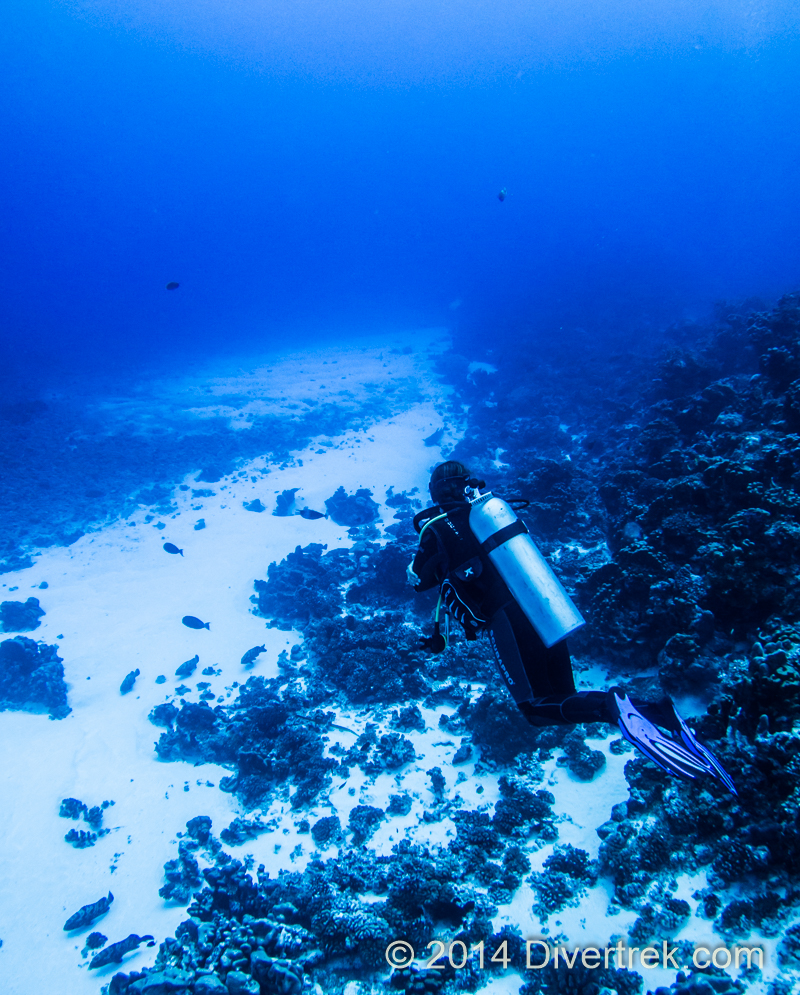
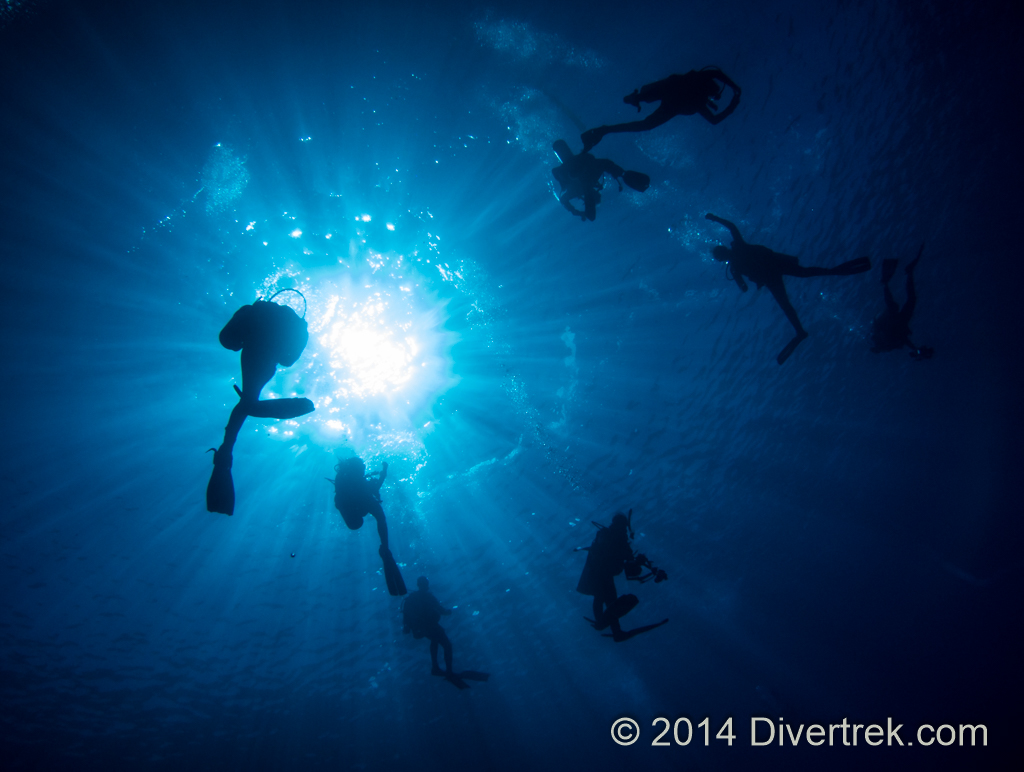
That dive felt so anti-climatic, after building up for two days, that I only took one photo on this dive; a sun ball shot of our group at safety stop.

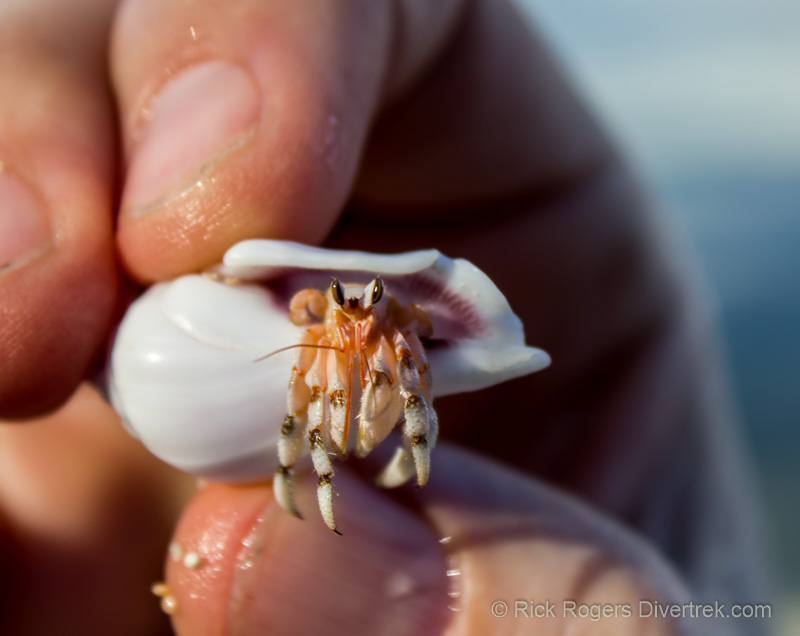
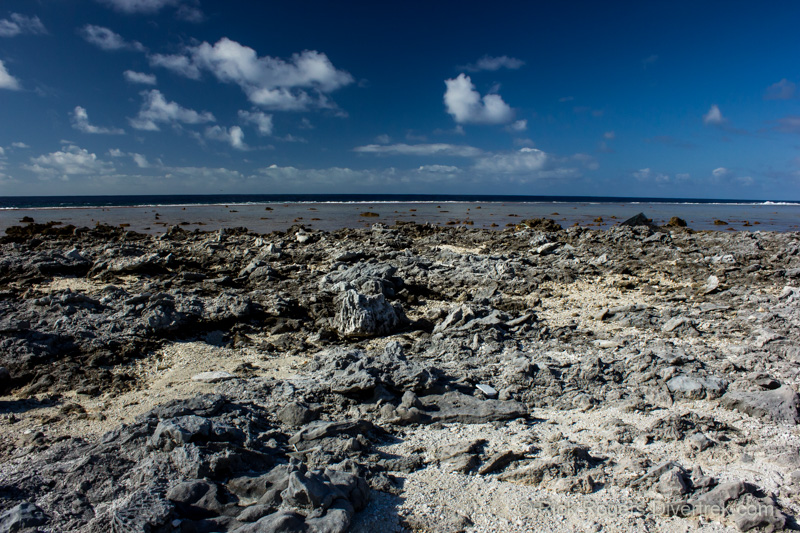
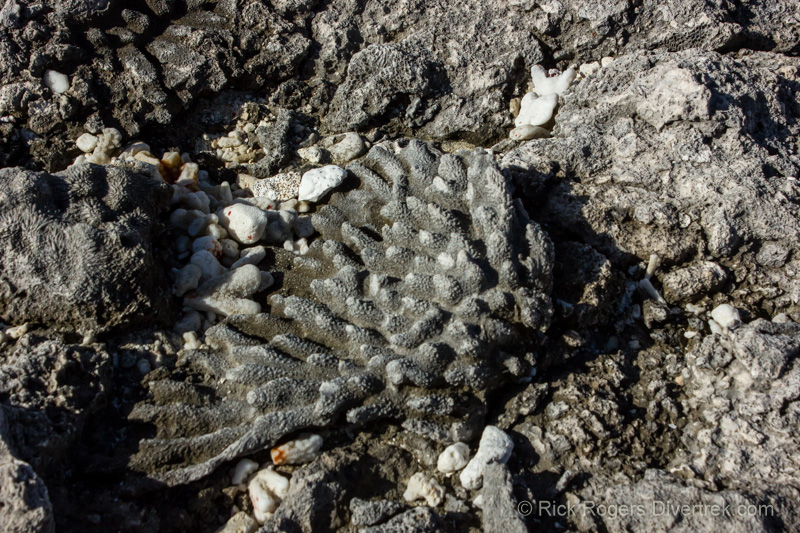
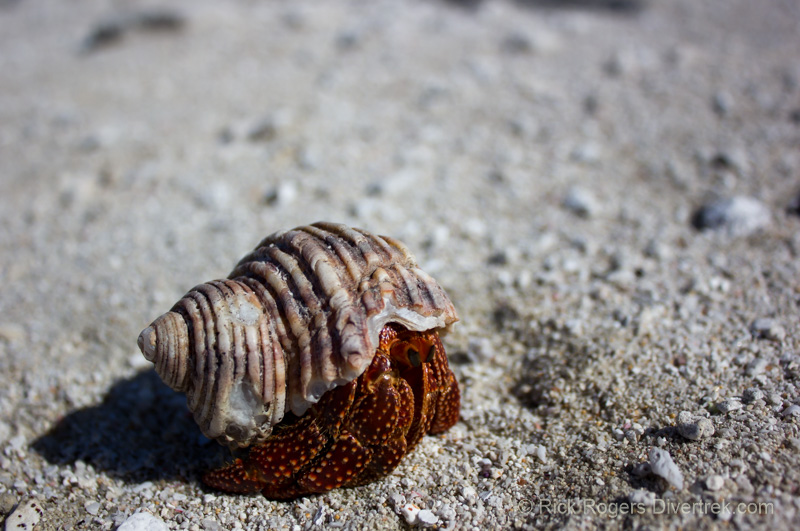
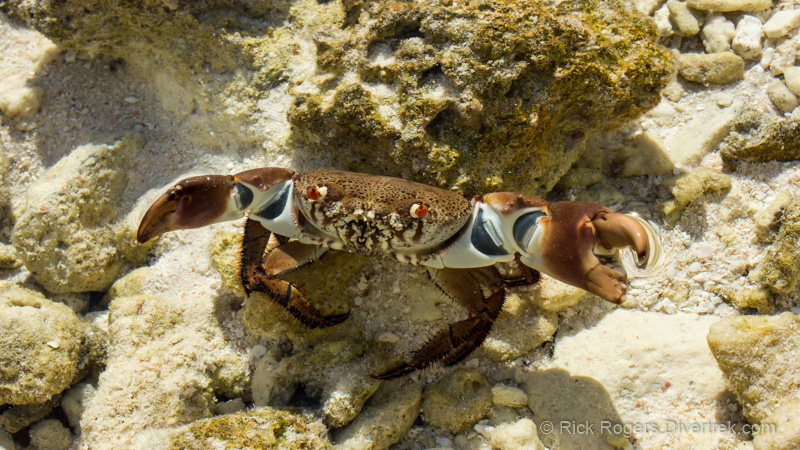
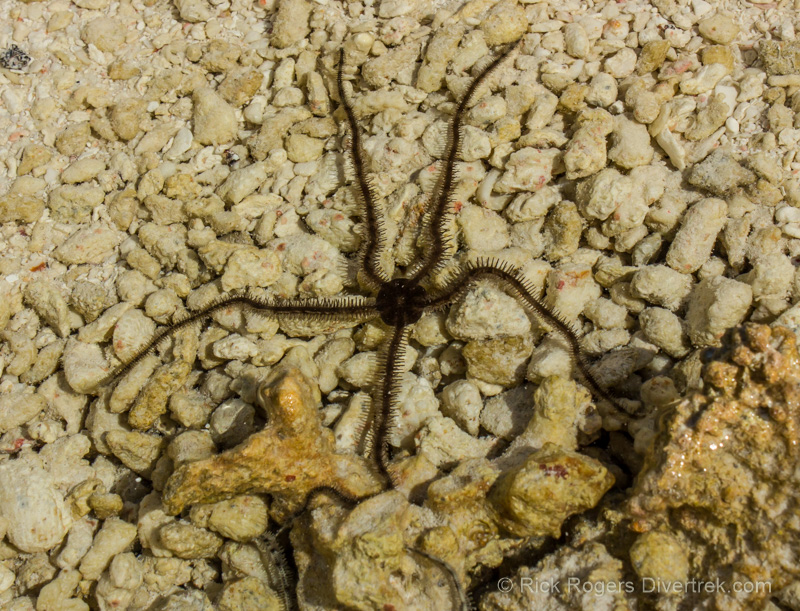
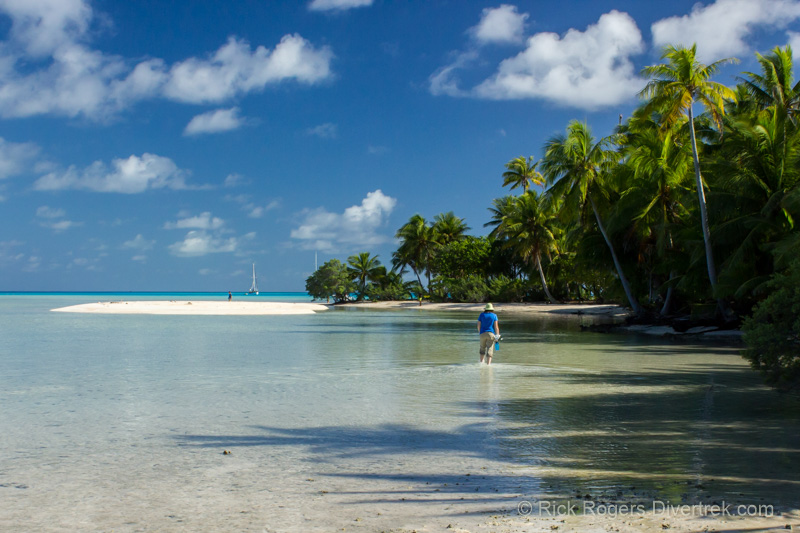
The next morning before our flight out to Rangiroa, Annabelle arranged for us to explore a neighbouring undeveloped Island. Beautiful pink sand beaches, limitless shades of blue, all animated with little interesting creatures, like crabs, stars, and baby sharks:
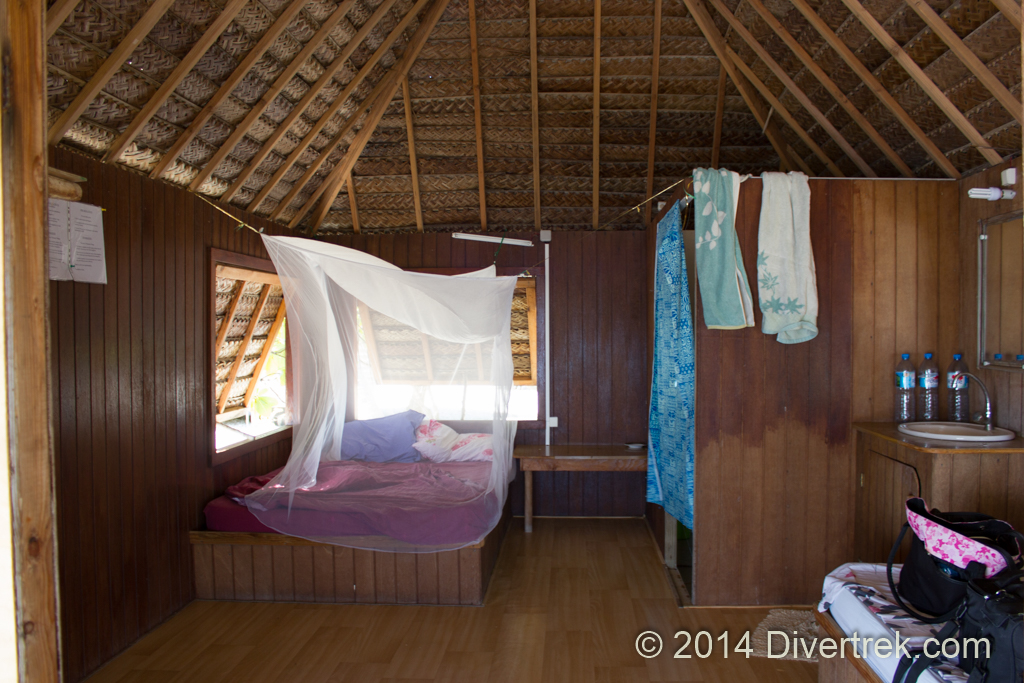
The Sauavage huts are very basic: open air cabins , no AC (but not needed at my stay), a couple of fluorescent lights (bring a flashlight or headlamp for reading or walking), a single faucet (lukewarm water from a solar cistern) for the sink and shower, no plug-in outlets, and the water is not potable (pick up drinking water from the kitchen). If you need power (eg. recharge batteries, shave..) you will have to go to the communal hut a short walk away to plug-in there. Bring a plug adapter (two round prongs) which you can buy from a travel store, and soap/shampoo. Most of the time there was a comfortable breeze blowing off of the Lagoon, and we experienced no problems with mosquitoes or other insects. I do applaud their efforts in sustainability & minimizing environmental impacts.
This time of year is their winter, so sunset was about 5:30 pm. Rainfall was infrequent and came in short bursts.
The Tetamanu Dive shop is run by Eleuthra Divers, which has many dive shops throughout French Polynesia. They were professional, safe, and knowledgeable. Top Dive also has an operation in the area. Water temperatures were 81-82 deg.F. , so a 3 mm full wet-suit was sufficient.
The Grouper Spawning event makes for an unusually busy time at the Center, and at times it felt like they were being stretched. Food was very good in both quality and quantity, except for breakfast. For breakfast Pancakes and French Bread (carbohydrates) were served, so I supplemented with Granola protein bars. Hot coffee and water was always available.
Overall, I had a great time in a very relaxing environment. It would be heaven at other times of the year when it was not so busy. The minor losses of convenience were worth the price of admission to this incredible diving destination.