(October 25, 2014)

It’s late October and diving is rapidly winding down here in Ontario. Still need a fix? Visit Ripley’s Aquarium – it’s the next best thing to being there. Better yet, get wet with the Stingrays. Here’s how a Behind the Scenes Tour & Stingray Experience goes.

The whole tour takes about 2 hours, and costs $150. This includes admission to the Aquarium, the wet suit rental, a “Stingray Experience” Towel & Sack, and a USB of all the photos taken with the Stingrays. And no, you can’t bring you’re own underwater camera (I asked). Your tour guide will ask you what you what your level of interest is and try to tailor it to that.

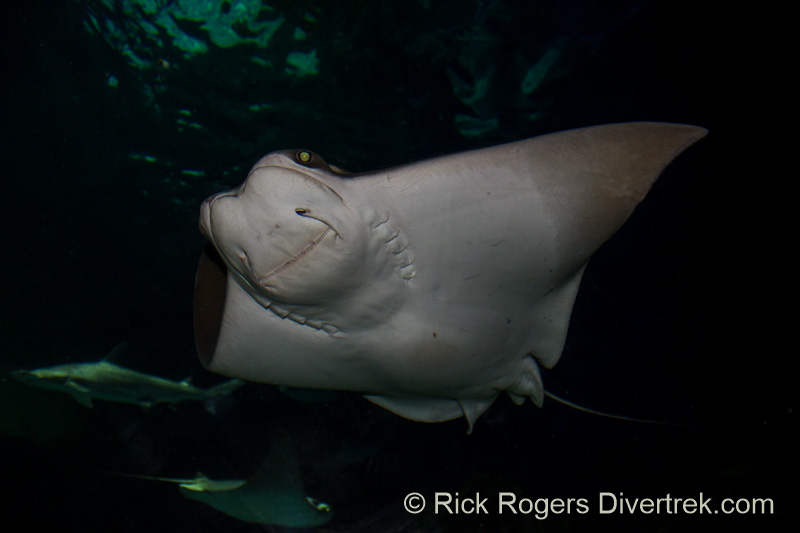
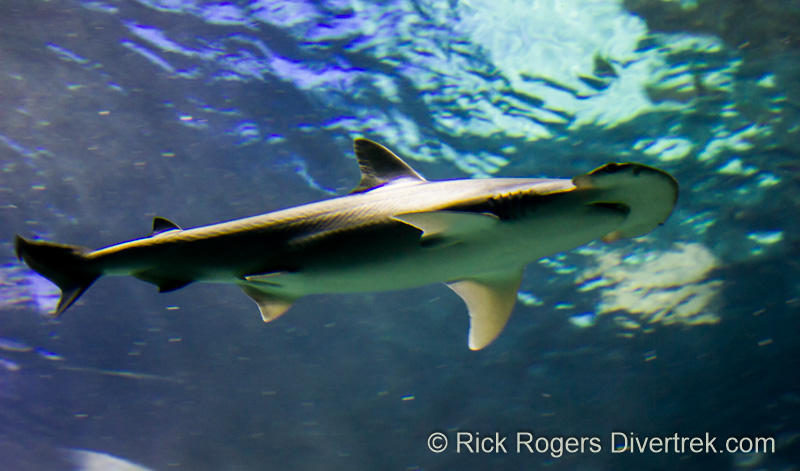
After about a half-hour you’ll go to the locker room to change into a wet suit and lock up your belongings. There’s a shower in there, complete with toiletries and a hair dryer, for afterwards. Outside we met Daphne, one of their divers and our in-water guide. She primarily fed the stingrays (fish slices from a pail), and was more than happy to answer our questions. Naturally I asked if they still had their stingers, and she pointed at a stingray to show me that they routinely clip the stingers about every three months to prevent an accident. Just like a miniature version of Stingray City, the excited little Cownose stingrays quickly gathered and jostled for attention to get fed. Like playful underwater “puppy-dogs” they will swim all around you, and they don’t mind being handled. A few times one of the much larger Southern Stingrays came up from the deeper parts of the tank to see if it could be included too. And also, some of the small Bonnethead hammerheads came up for a quick look about for scraps (she asked us, and the excited bystanders, not to pet the shark). Here’s some photos so you can see the format.

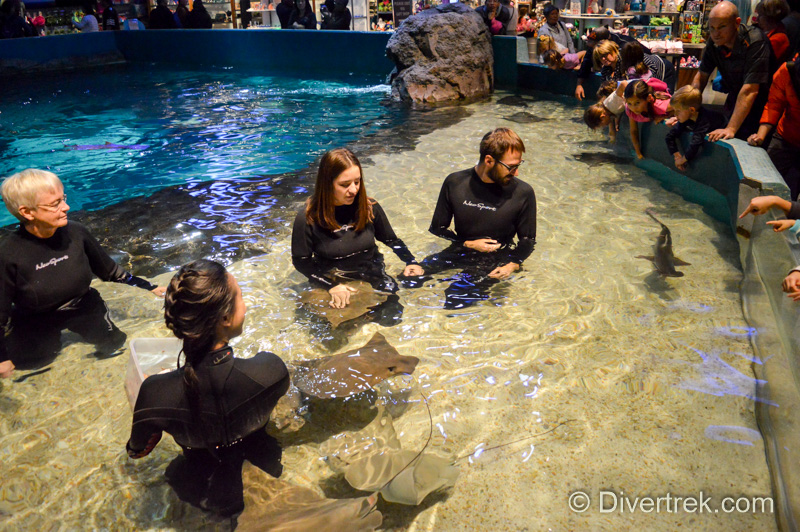

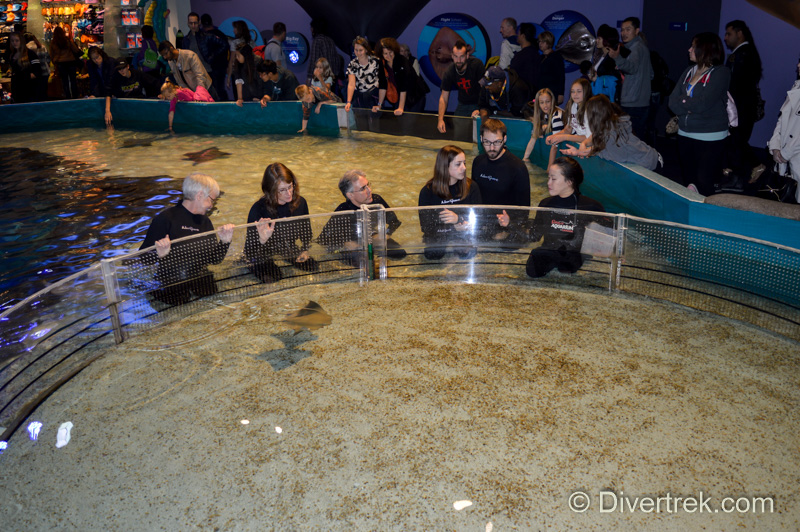

After the very memorable Stingray Experience we couldn’t wait to explore the Aquarium. Being a Saturday afternoon, it was very busy. If you want to avoid the crowds, or try some more serious and creative photography, come after 7pm (and you’ll get a discount as well).
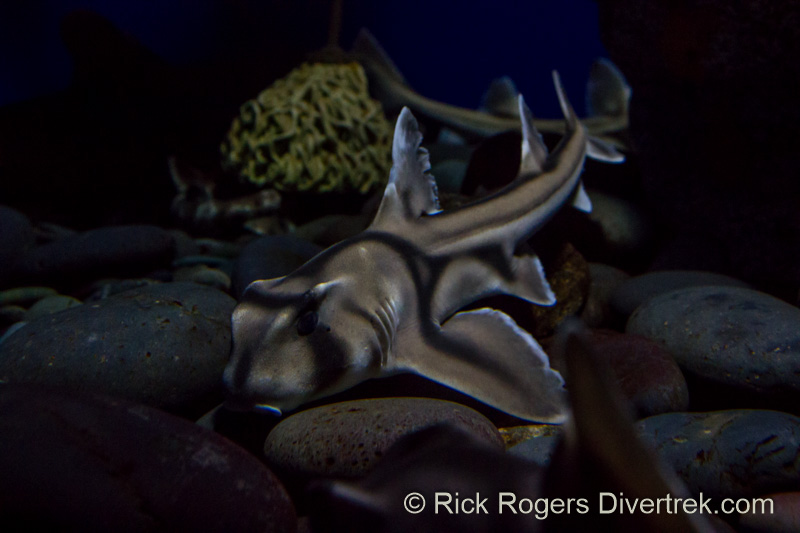
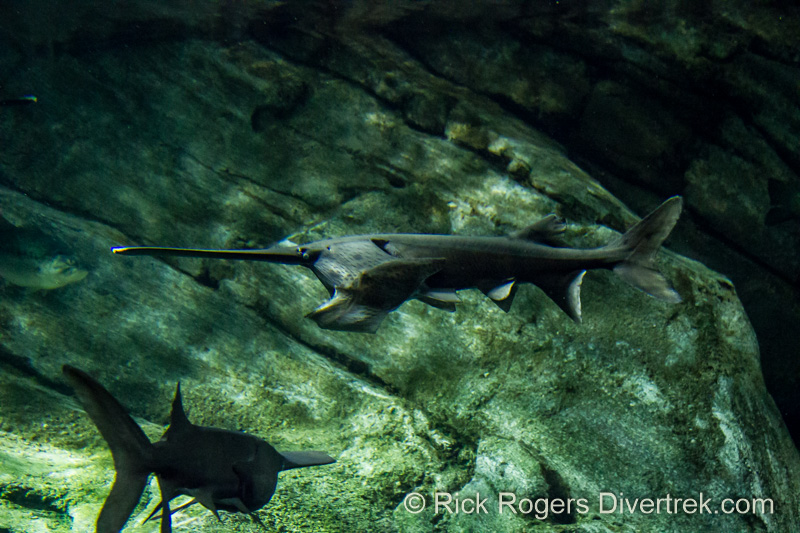
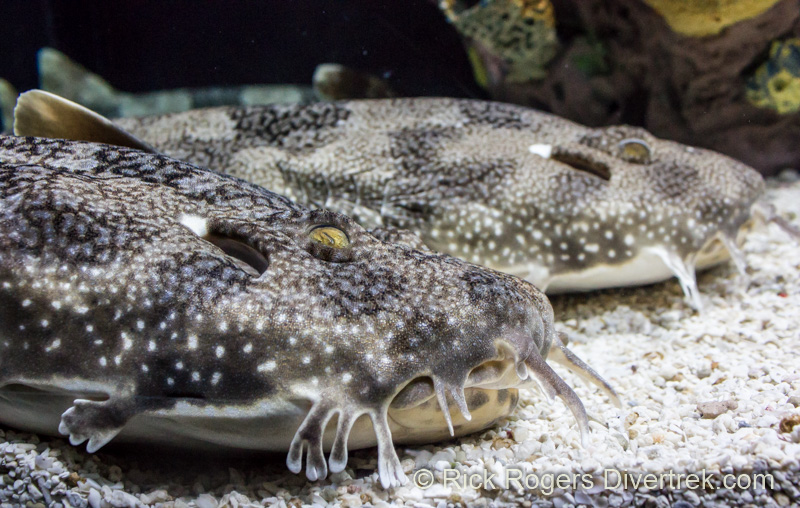
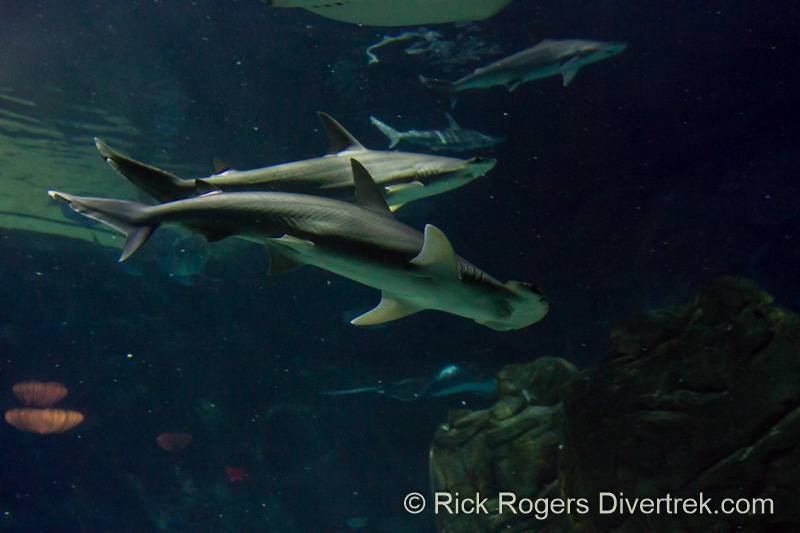
This aquarium is designed to awe the senses, as well as inform you. There are hands-on displays and numerous “pop-up” domes and tunnels where you can get a 360 degree view from the inside of the tank. Your mind will drift away and you’ll live in the moment while watching these gracefully moving fishes in their realistic and life-sized environments. Of course, the star attraction of the Aquarium is “Dangerous Lagoon”, which holds the sharks, and is viewed from inside an acrylic tunnel with a moving walkway. I spent an hour here, feeling like I was diving in the ocean again.

The sharks will engage you as they swim by just inches from your face. And you can’t help but smile from the “oowing and awwing” of the adults and the excited shrieks and finger pointing from the children.
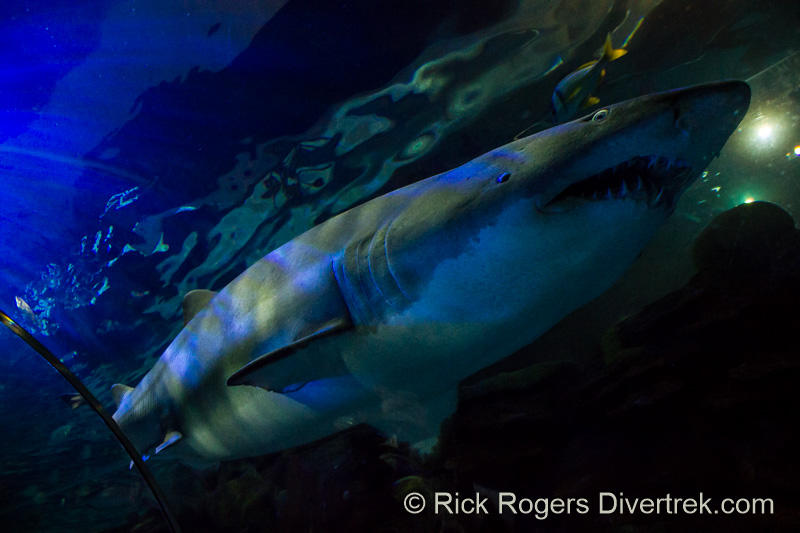


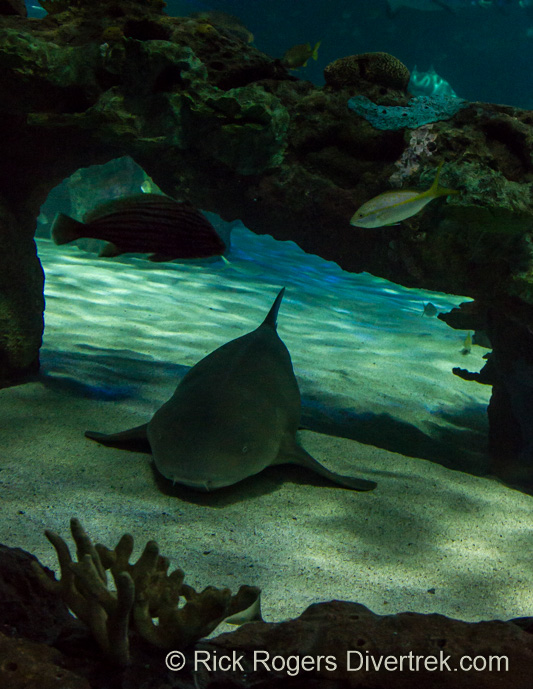
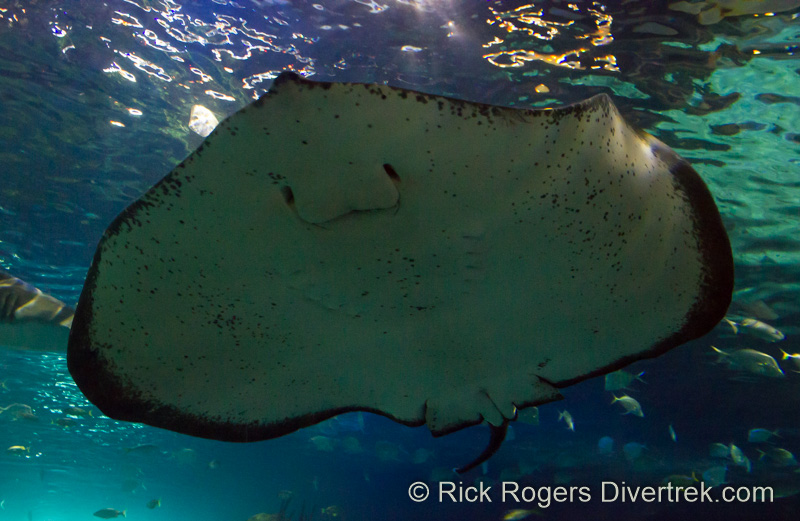
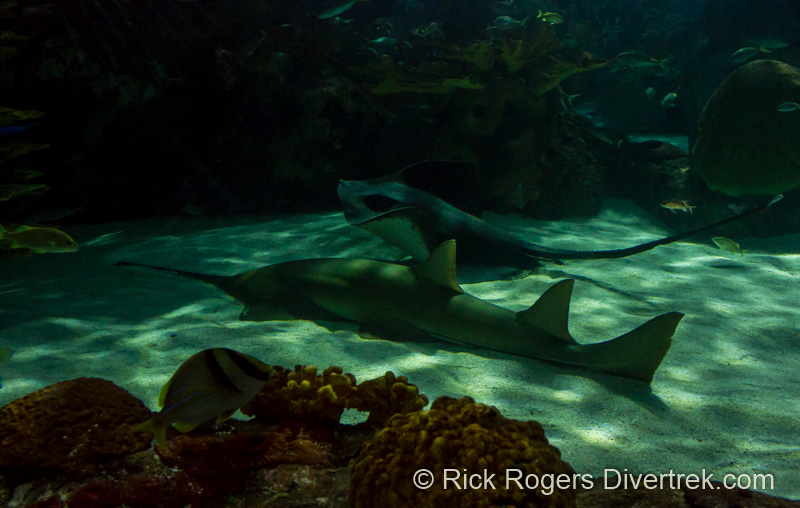
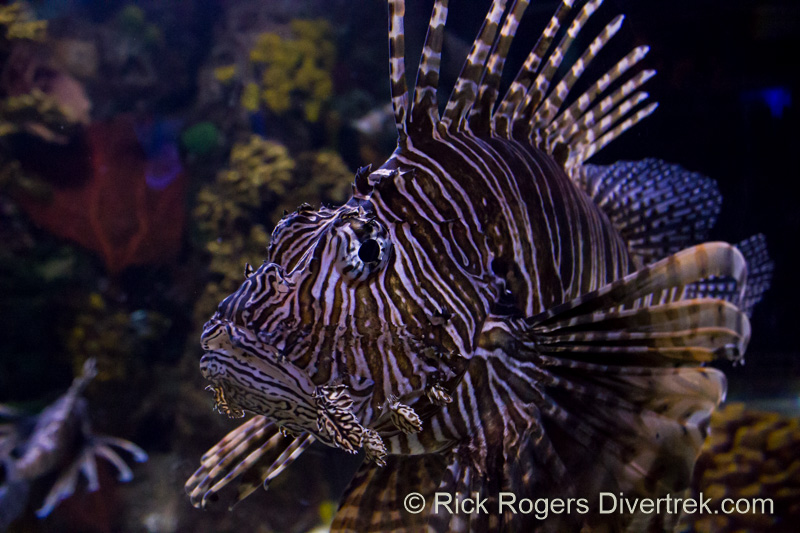
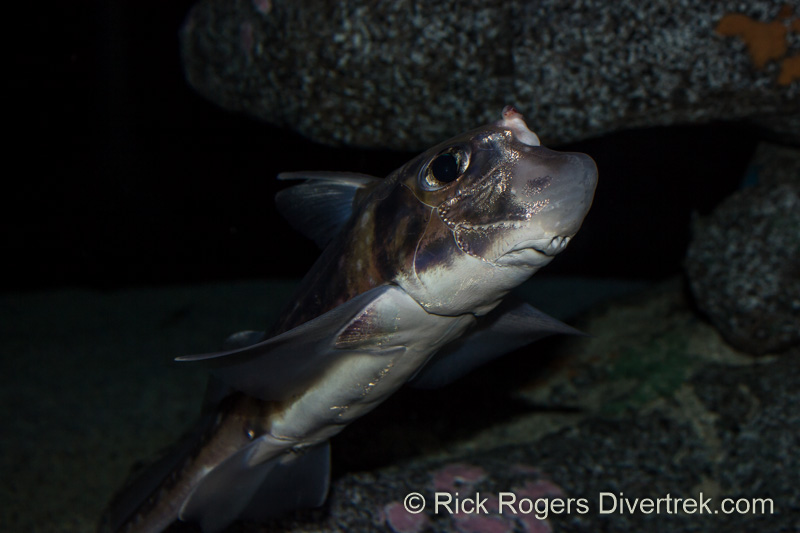
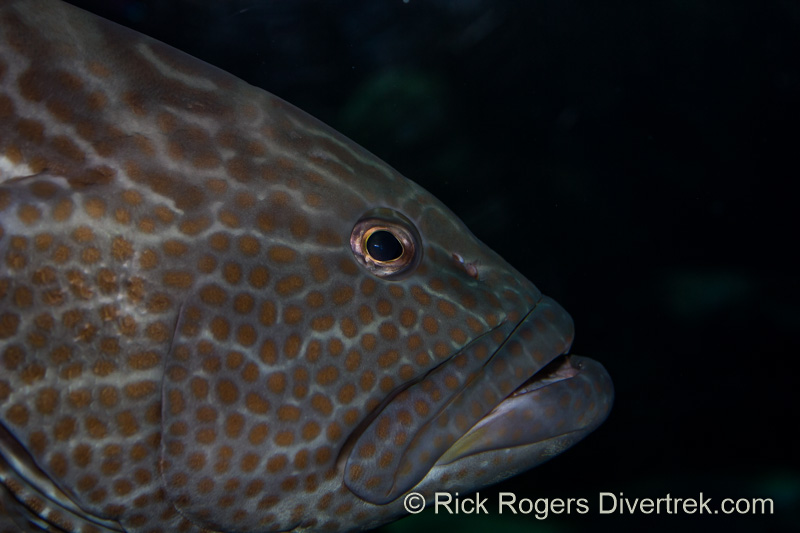
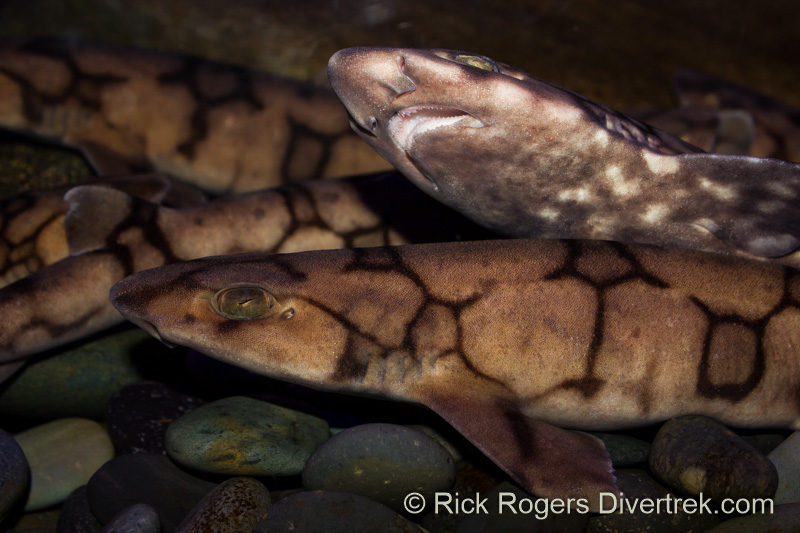
You would think that photography in an aquarium would be easy. But the dark lighting, relatively fast moving fish, and numerous reflections (from neon signs, flashes, and even people’s shirts) makes it challenging. I wore a black shirt and pants to help avoid my own reflections on the tank surfaces. And don’t forget refraction as well. This is most noticeable with strong back-lighting, when you’re not shooting directly perpindicular to the tank surface. You’ll notice the tell-tale coloured fringes and distortion around the subject, especially in curved tanks.

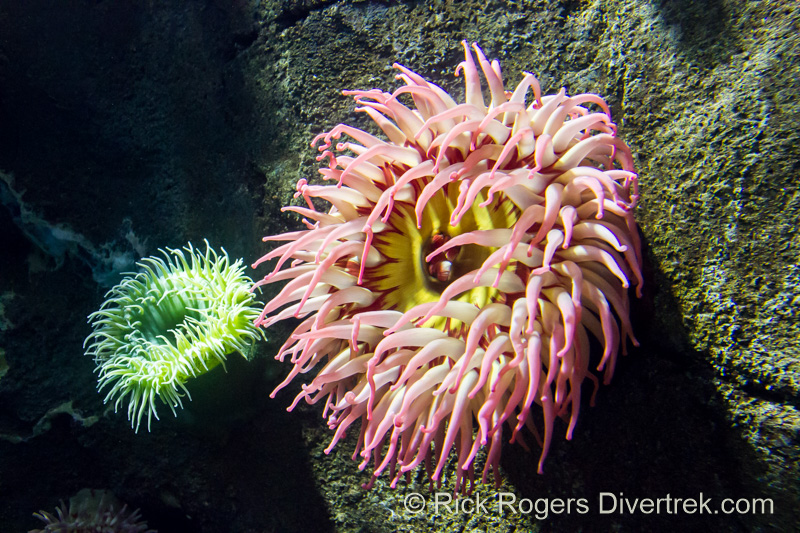
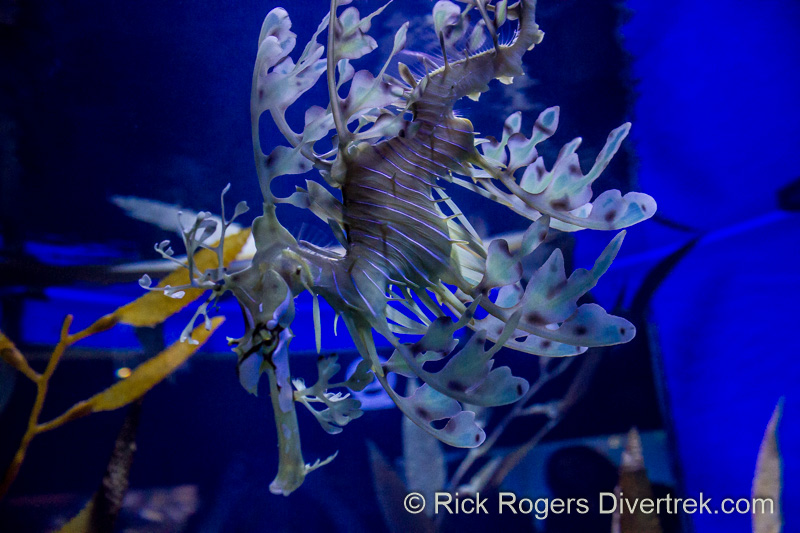
For most of the pictures here I used a general purpose 18-55mm lens set at f5.6 (for good depth of field), exposures of between 1/30-1/125s (1/125s for the faster moving fishes), and ISO set to Auto (and it often clipped the histogram at 3200!). Some flash photography is possible if you dial down the flash compensation and get in close. In some cases, the tanks have signs forbidding flashes which might disturb some of the more sensitive occupants, such as the Leafy Seadragons. In spite of these limitations, and with some care, you can take home some really good photos. You may even be able to convince many friends that you took them underwater!