
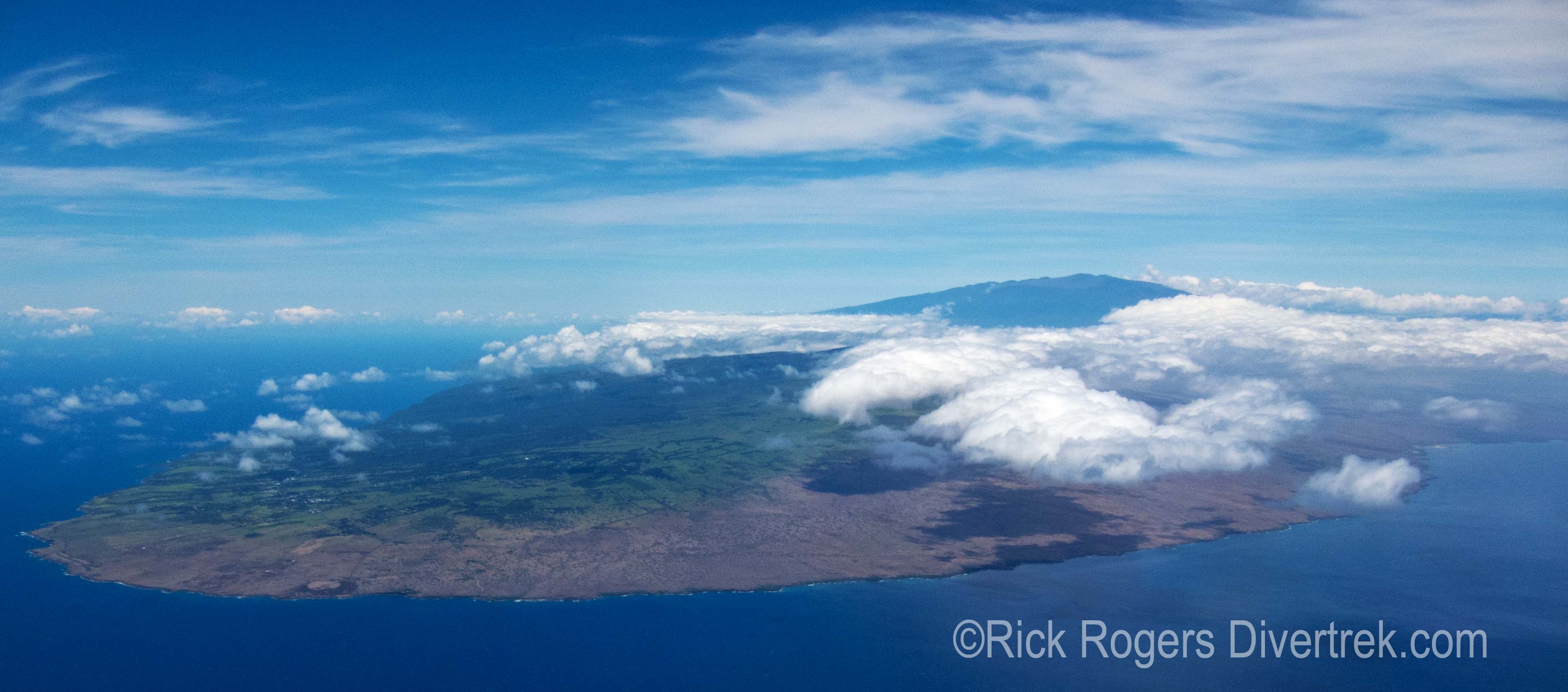
July, 2015.
The Kona Coast of Hawaii stands out for its interesting volcanic formations that scuba divers can explore: lava tubes, caves, caverns, archways, pinnacles, and plunging walls. And owing to Hawaii’s isolation, about 25% of the fishes that you will see here are found nowhere else in the world. In addition, Kona is home to a resident population of about 130 Coastal Manta rays, with almost guaranteed sightings at their famous Manta night dive & snorkel.

Most of the diving is done on the west side, in the lee of the Island, where it’s usually calmer, and drier. There are 29 dives sites on the Kona Coast, and the best way to see it is on board the Kona Aggressor II. With 27 potential dives, they will take you off the beaten path to most of the sites that are only dived once per week-by them! Most often you will be the only ship on the coastline. Here are some highlights from the week to give you an idea of what it’s like.

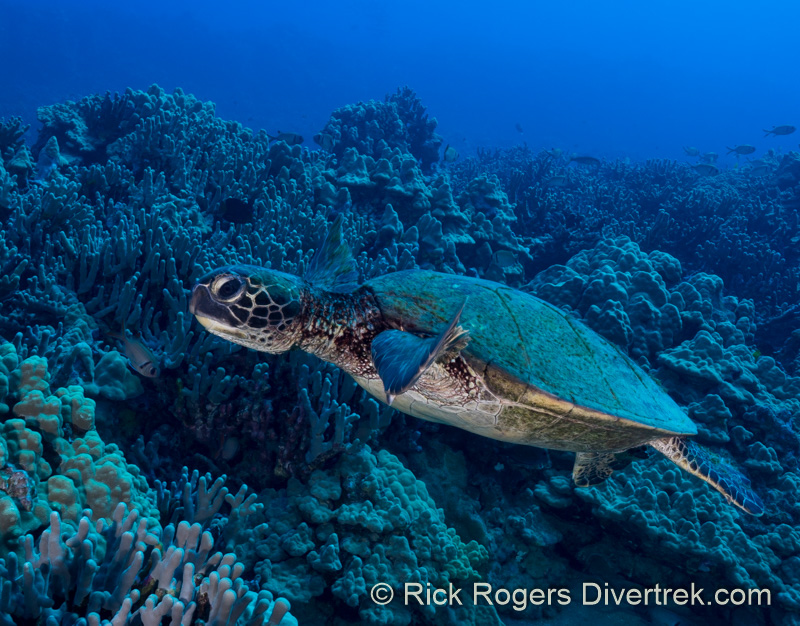
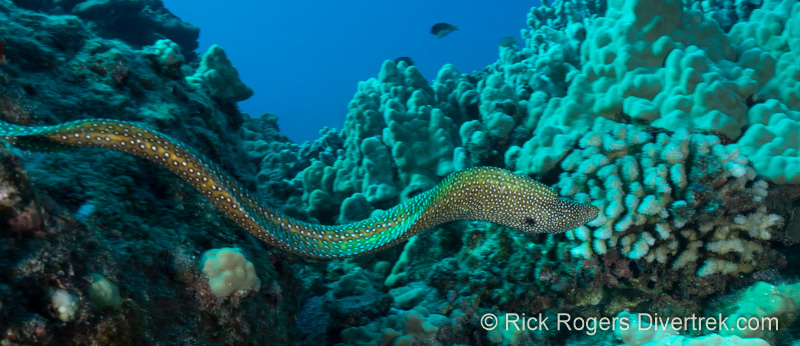
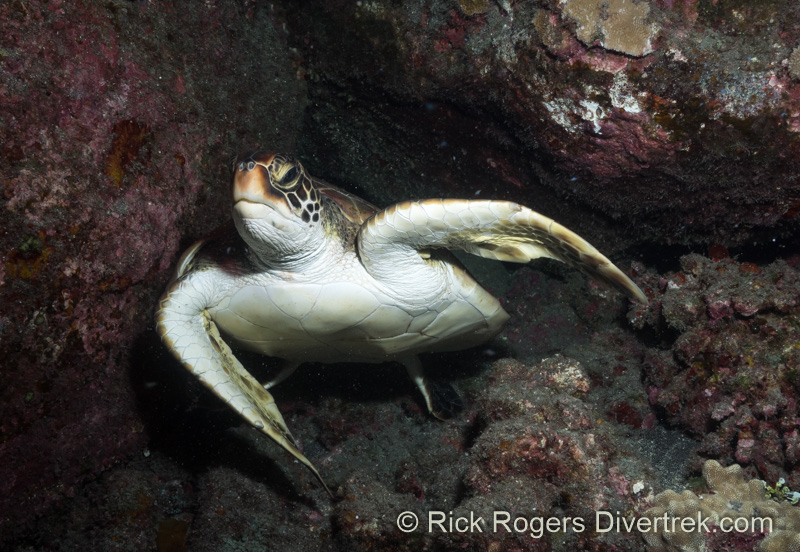
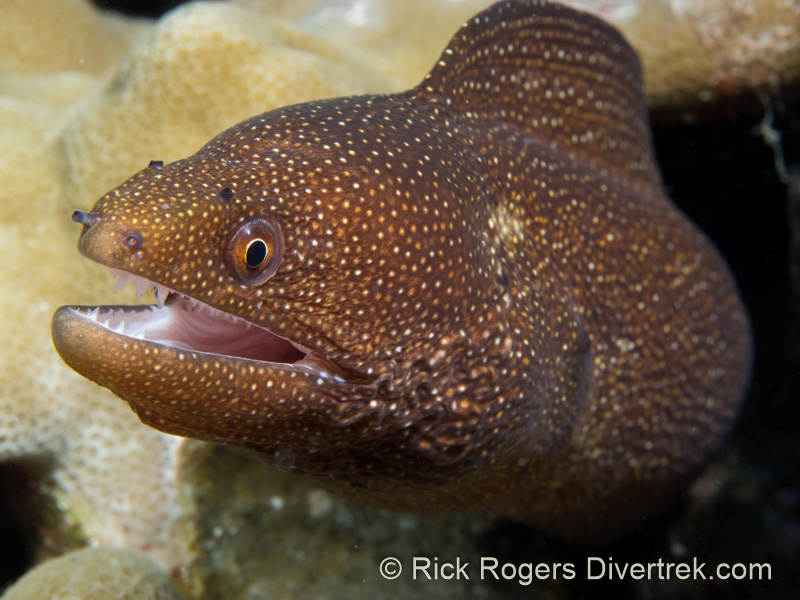
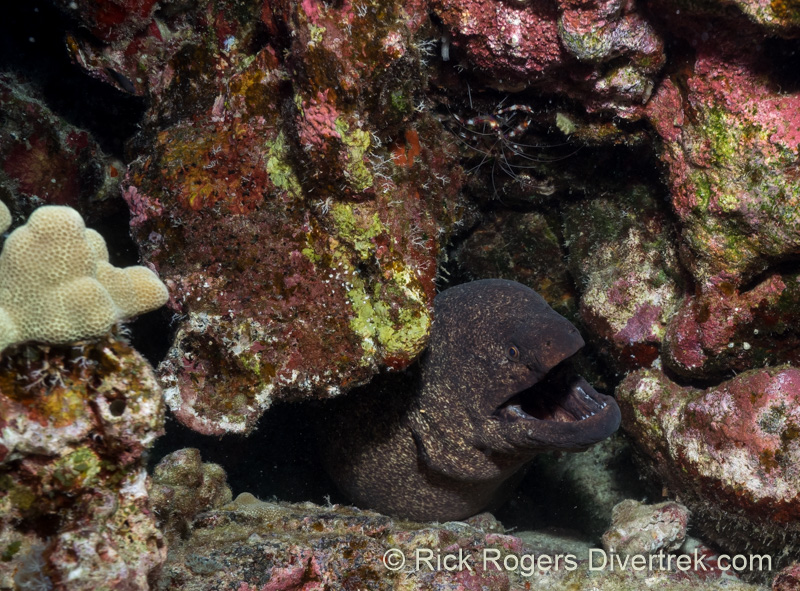
On the very first dive at the “Dome” we saw a whitetip shark in a cave, a spotted Eagle Ray, two whitemouth Morays, and two Green turtles. The Dome is a cave with a photogenic “skylight”, but we couldn’t enter it because it was judged unsafe due to surge (which plagued us, and the visability, for a few days).
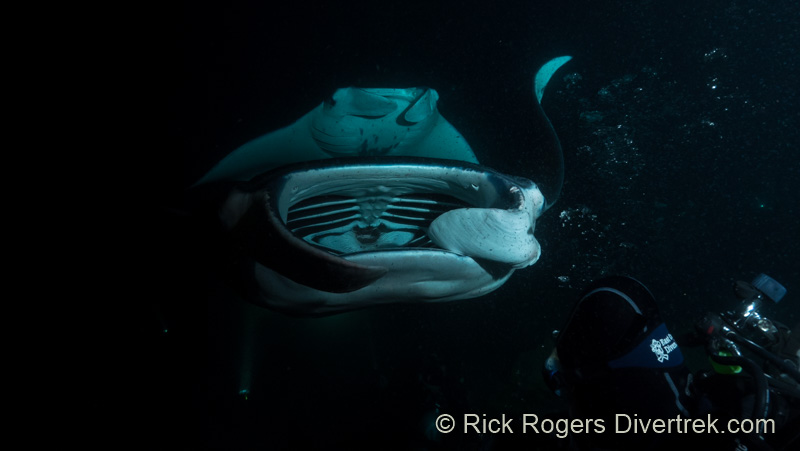
But the big attraction that we were all looking forward to was the world famous Manta Dive. It’s just an intoxicating dive. Words don’t do it justice-you just have to experience it. It left such an impression on me that I gave it it’s own post with pictures and a short video clip (See Manta Ray Night dive, Kona, Hawaii). But here’s a teaser picture:
One other option for a night dive is the “Pelagic Magic” drift dive. You can search YouTube for some videos. The dive takes place a distance off shore, and you can observe tiny creatures that are attracted to your light. But given a choice, the majority of us voted to return to Mantaville.
At the end of the second day we did a night dive at the “Hive”. The second Captain, Chris, was leading the dive and he promised that it was worth overcoming the inertia of being of being well fed, warm and dry. Having been “jaded” by many Caribbean night dives, I was a little reluctant. But, he was right, there was a lot to see. And a story to remember:

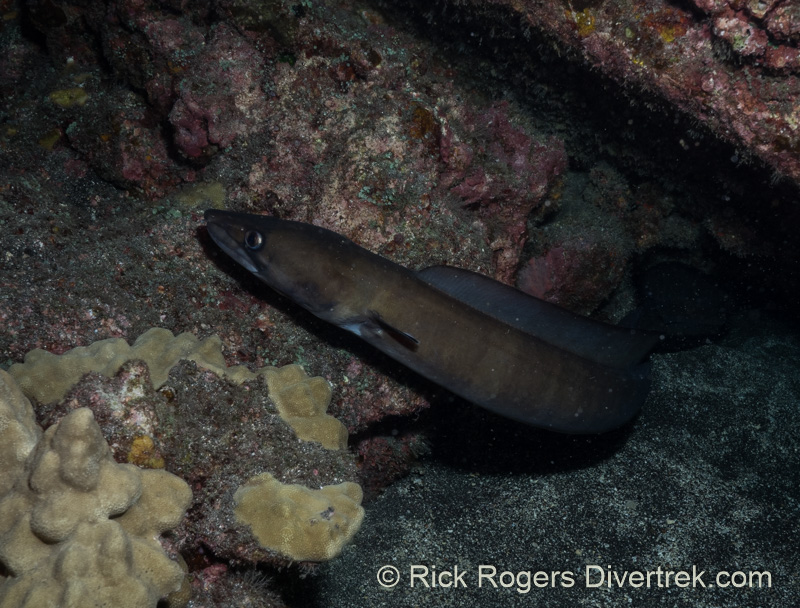
I was about to photograph a Hawaiian Turkeyfish (a.k.a. Lionfish, in the photo above) in surge, and so put down my finger to steady myself. Just then my dive buddy (Cindy) urgently pushed me to the side. When I turned up and gave her a disgusted look she pointed to a Conger eel that had just swam underneath me. I was just about to put down my finger on it’s head, as it approached me! Interestingly, it chose to ignore the Lionfish. Maybe because of all the comotion?
The “Big Island” is the youngest of the Hawaiian islands, and still features a lot of its volcanic geological formations to explore underwater, like lava tubes. Lava normally leaves the point of eruption in channels. When the surroundings of the flow cool, they form an insulating conduit or tube that allows the inner molten lava to continue flowing. It often forms a network of smaller tubes, like a river delta. Eventually the tubes drain, leaving behind a partially empty cave.
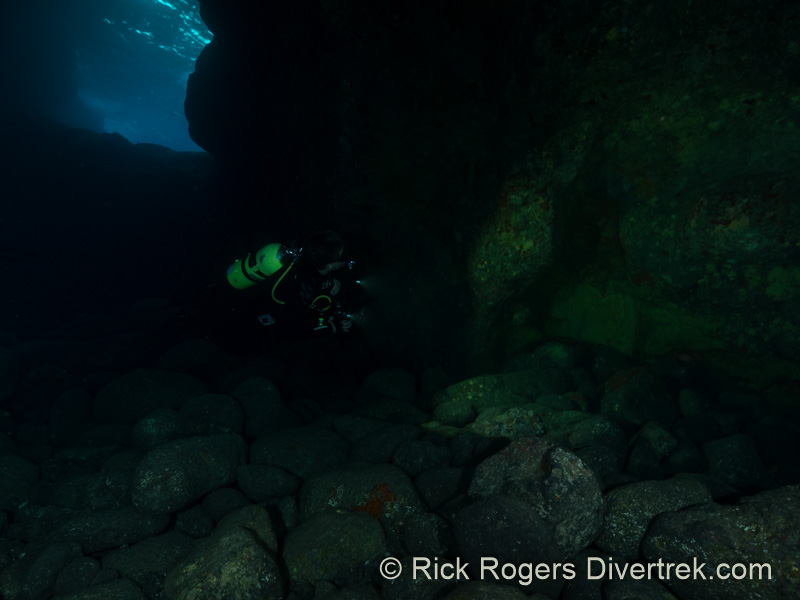
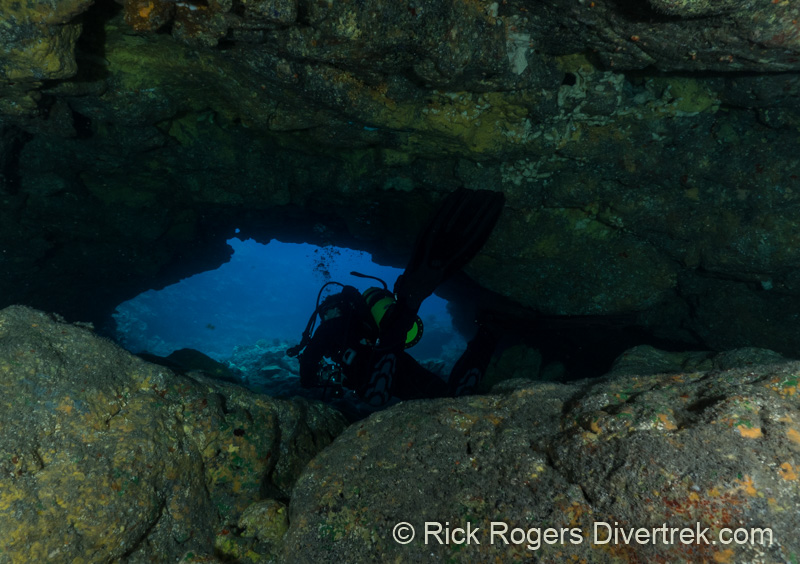
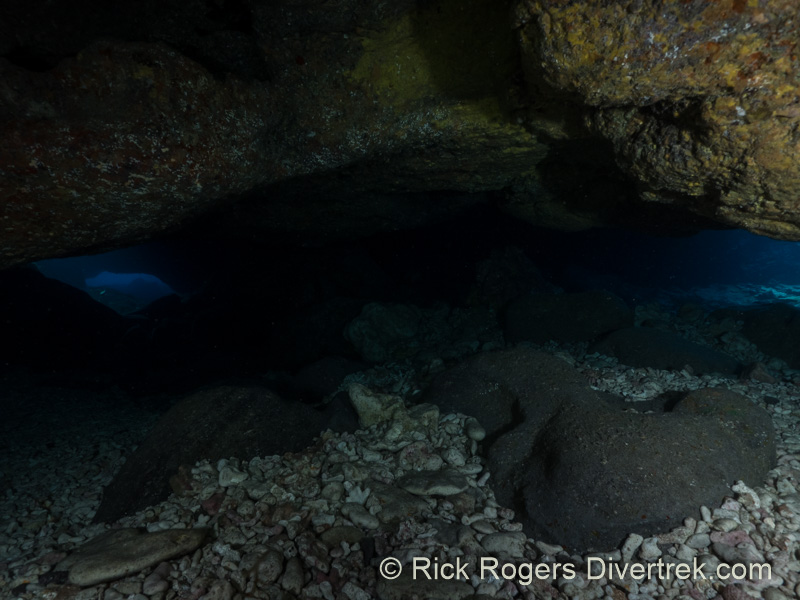
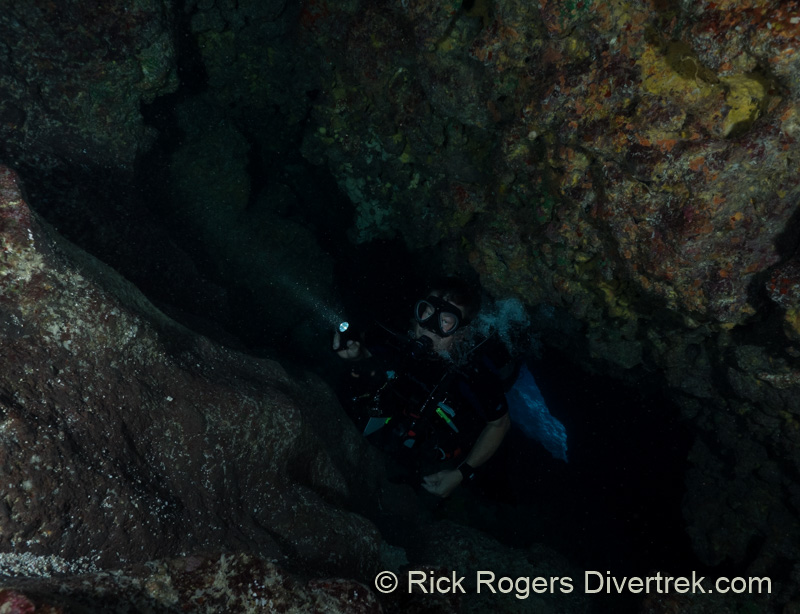
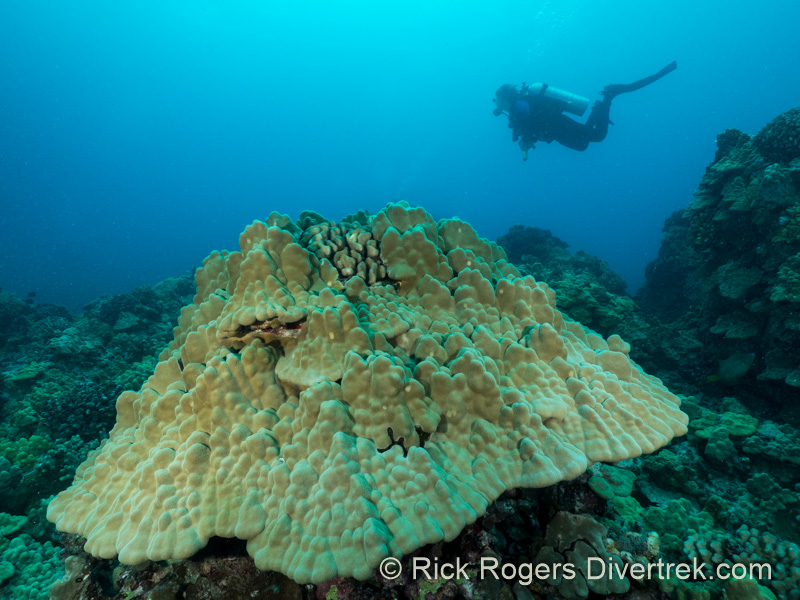
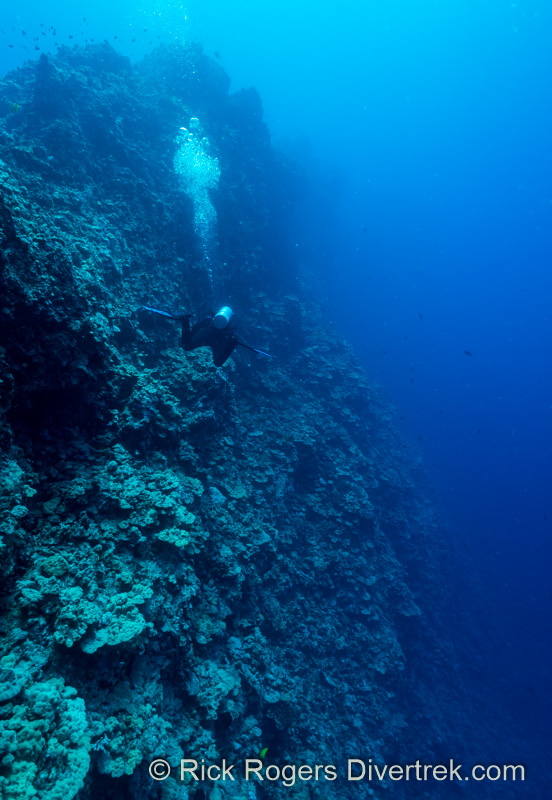
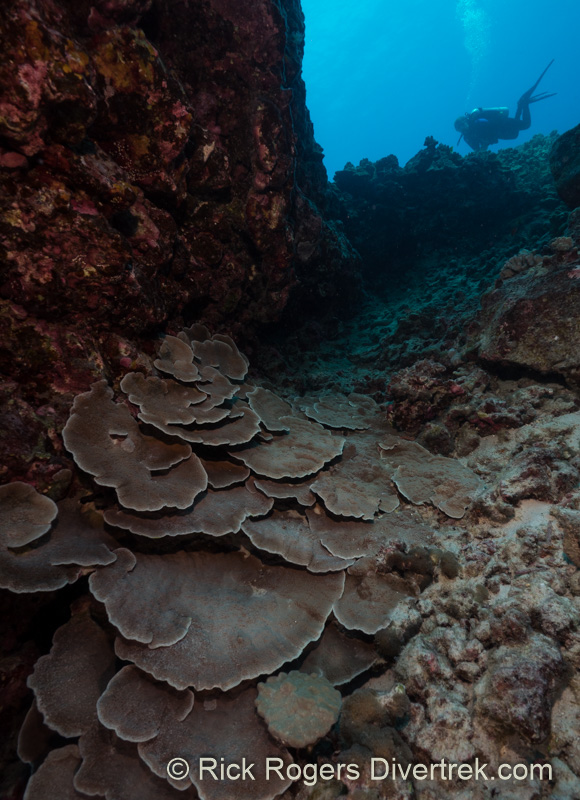
One site you don’t want to miss is the “AuAu Crater“. It’s what I would imagine it would be like to visit the moon: large boulders with black sand in the shallows, rugged lava flows studded with hard corals, valleys, and dramatic drop offs. If you’re good on air, you can make it just south of the official site to see where the wall plunges down (see photo below) to about 200-300 ft into a wide river of black sand that leads to the blue. A beautiful and surreal sight to see. So seldom is it visited that Chris estimated that fewer than a thousand people have ever laid eyes on it.
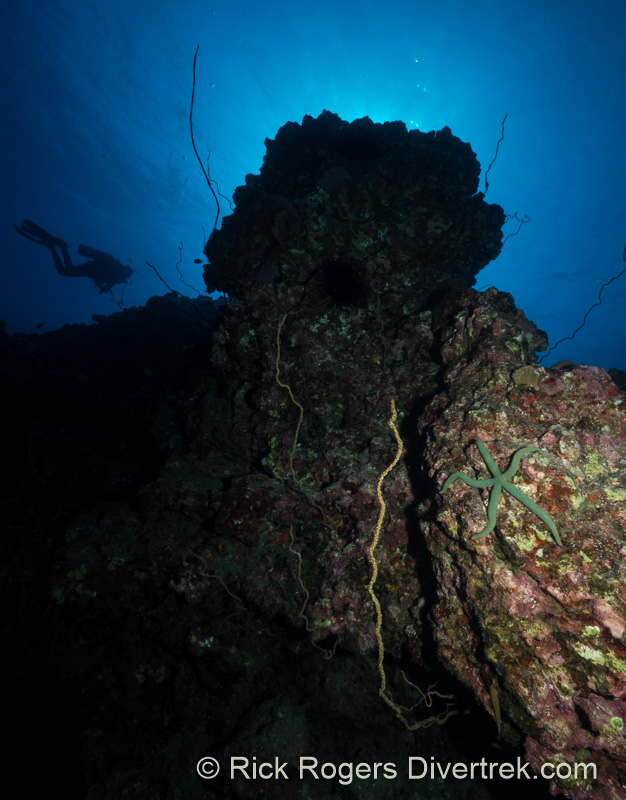
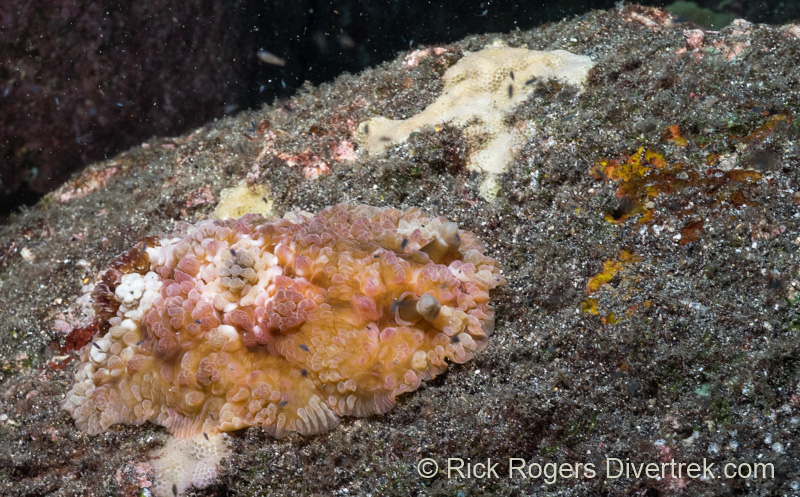
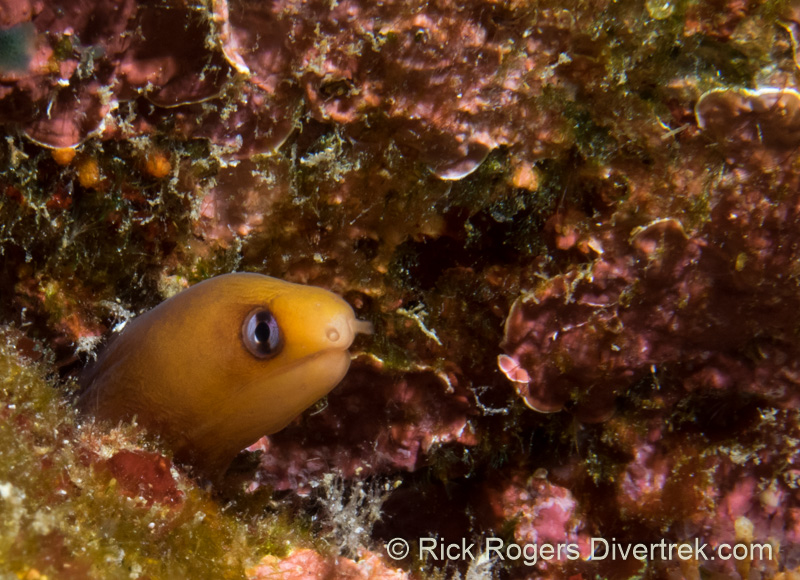
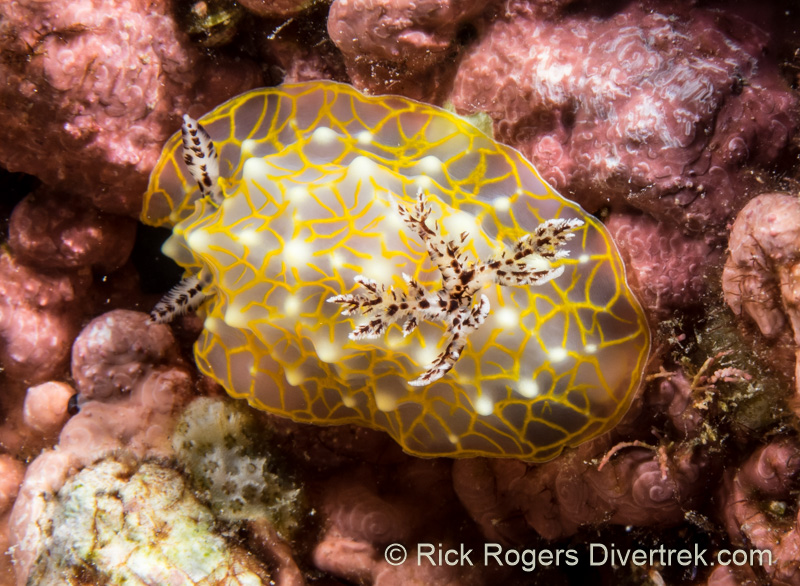
There’s also plenty of opportunity for macrophotography at Kona. You could dive any site with just macro. Captain Karl is very skilled at finding the tiniest and most camouflaged of critters. He would place a small weighted marker buoy near anything that he found to draw our attention, but they were often still so well hidden that I had to get him to point it out to me with his finger.
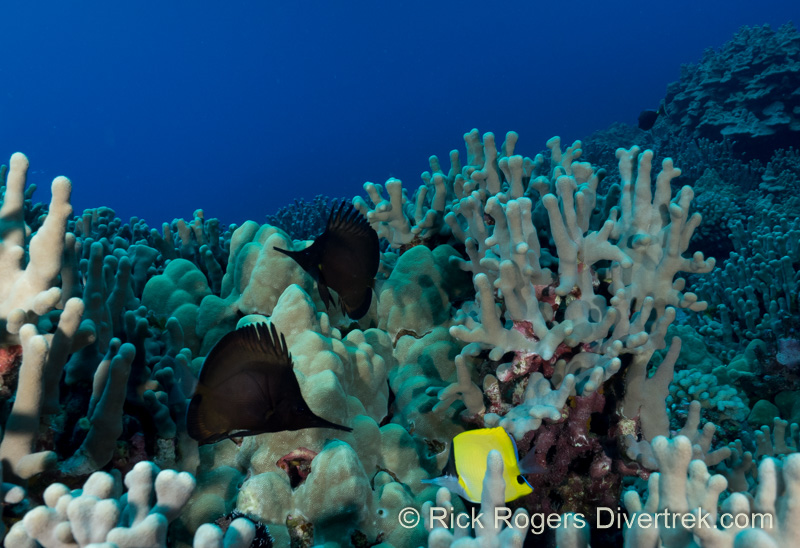
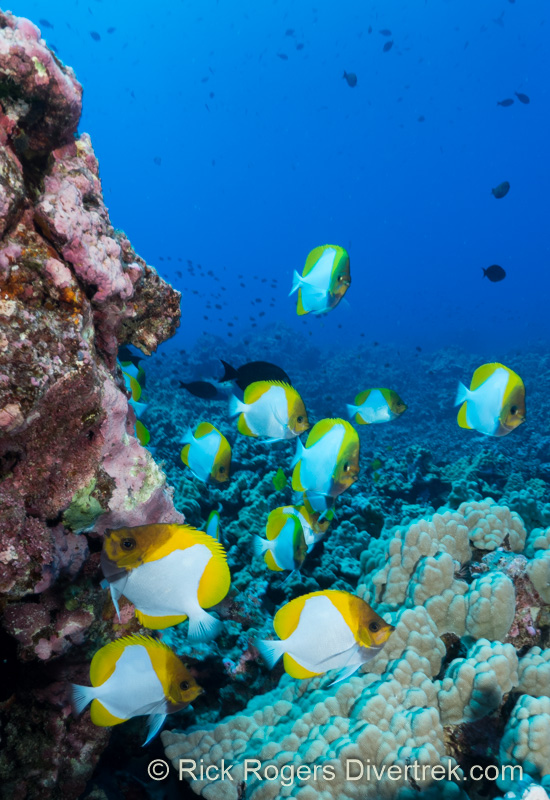
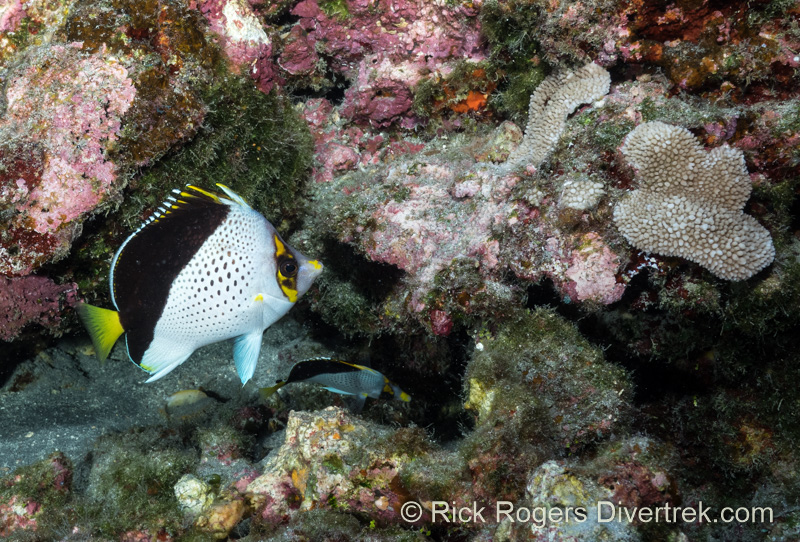
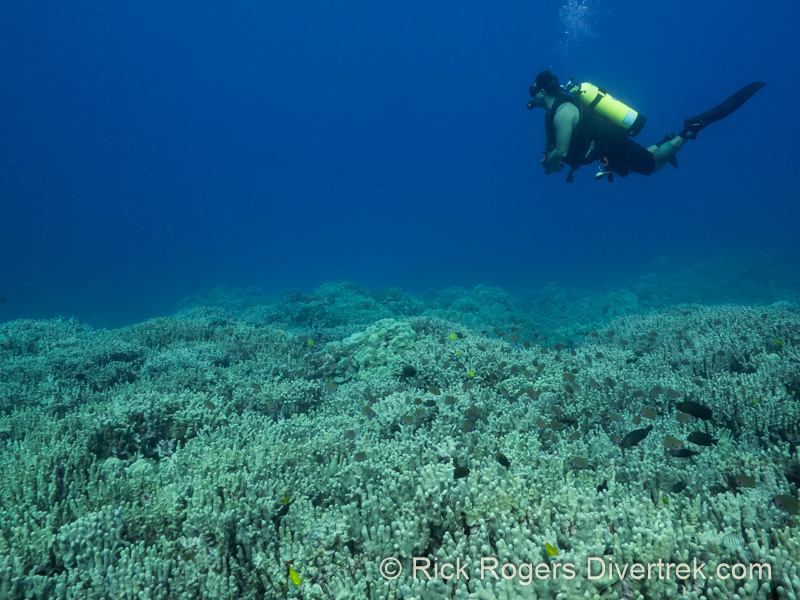
You will also come across a variety of unimaginatively beautiful coloured fishes, in particular, schools of butterflyfishes:

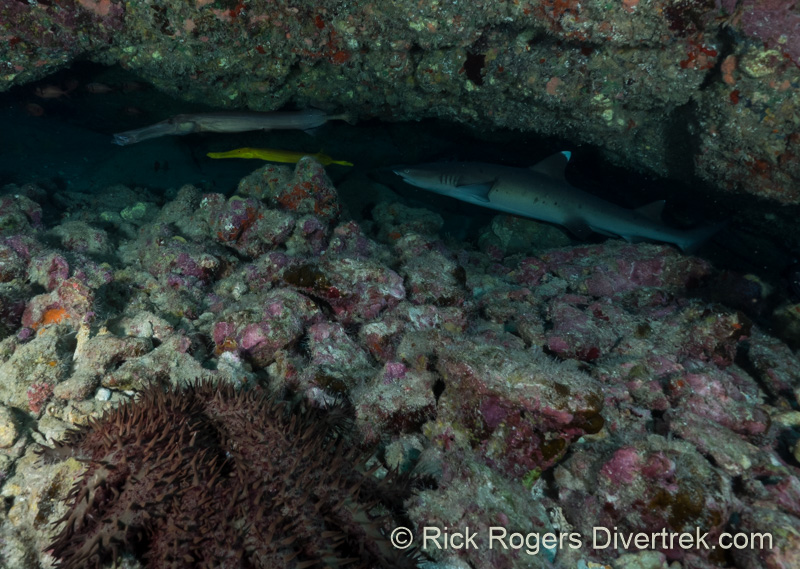
What about the “bigstuff”? The most common shark you will see is the whitetip reefshark resting under ledges or in caves. But to my disappointment, that was all for the week. One place that is often frequented by sharks is at “Turtle Pinnacle”, just outside Honokohau harbour, near the airport. Since fisherman are not allowed to clean their catches in the harbour, they do it in this area, which attracts sharks like Tigers, Silkys or Sandbars (it’s against Aggressor policy to actually bait sharks). The previous group was treated to two sharks, one of which was a Tiger shark. But I was told it quickly left with all the commotion and flashes going off.
You will also have the opportunity to get in the water and snorkel with a resident pod of pilot whales, if you can spot them. We didn’t meet up with them on this trip, but the previous group did, and got up close with an oceanic whitetip shark, which often follow the pods.
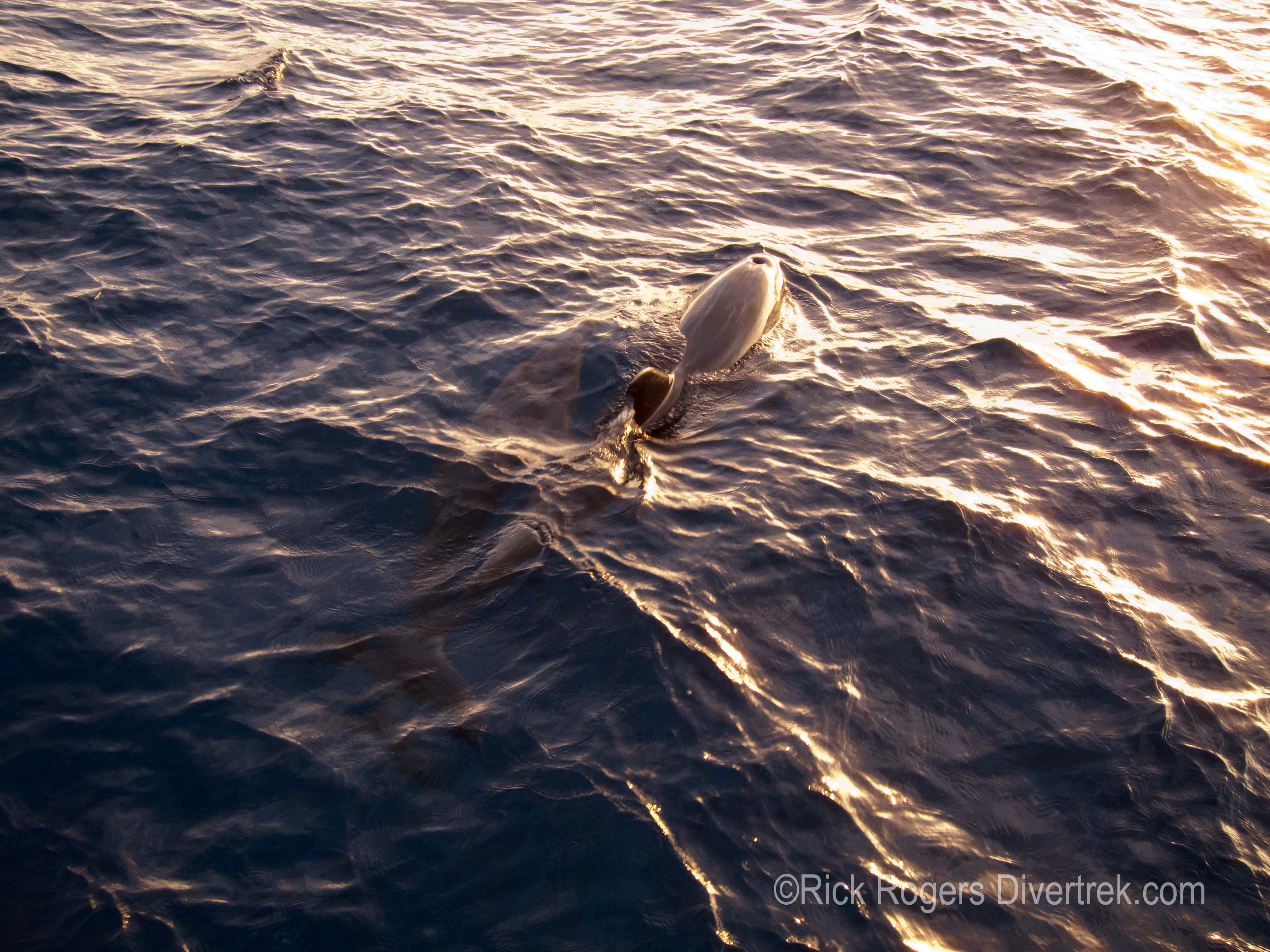
You will also see Spinner dolphins, and Bottlenose dolphins, that will pass by and sometimes hang around the boat. You may even get lucky and get the chance to interact with them underwater, as other groups have. I did see a large pod of dolphins at Turtle Pinnacle, but they passed by quickly at a distance.
Tips:
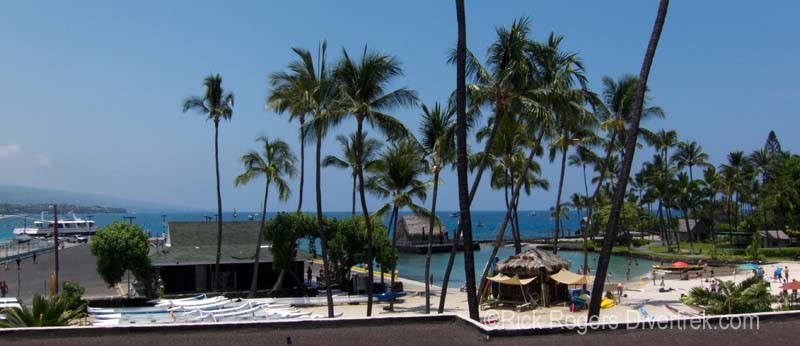
King Kamehameha’s Kona Beach Hotel (Marriott) is a great place to stay at before or after your trip. It gets its name from Hawaii’s most famous King, who once ruled over all the islands from these very grounds. The lobby is filled with numerous interesting artifacts, artwork, carvings, and a traditional Hawaiian canoe. A real history lesson. Also located on the grounds is a historical recreation of his temple and home, at the waterfront. In addition, you’re within minutes from the docks to catch the Aggressor, and other beaches, and the downtown. The staff are very helpful and accommodating. Since we were booked with them on our last day, they even stored our gear for us so that we could tour around before we got on the Aggressor. You can get a better rate if you join their Marriott Rewards loyalty program (for free).
Water temperatures varied form 79-81 deg.F. A 5 mm wetsuit with a 2 mm vest kept me warm for multiple dives over a week. Dives from the Aggressor take place at 8 am, 10:30 am, 2 pm, 4:30 pm, and 7:30 pm. There are two hot water rinse showers for when you get out of the water. Freshly baked snacks and hot towels are provided after each dive. If you’re lucky enough, chef Matt will be on board to amaze you with his culinary skills. The boat is fully equipped for underwater photographers-two rinse tanks, large table with recharging, compressed air, and microfiber cloths. And the crew was very helpful and careful with your camera gear. Every dive begins with a thorough briefing, and they reference the critters that you’re likely to see at each spot. These guys love diving, and it shows.

If you walk about 10 mins south of the hotel along the waterfront (on Ali’i Drive) you will come to the local farmer’s market, in a lot on the East side of the road, by Uncle Billy’s Kona Bay Hotel. You can pick up some local artwork and delicious Kona Coffee for more reasonable prices. Here I picked up a Manta piece painted by a local artist on traditional dyed Tapa paper, which has always played an important part in the culture and traditions of the Hawaiian islands. Note the triangles in the design, which are common to the artwork of many Pacific Island cultures. It represents shark’s teeth. Sharks are held with a deep sense of respect within Pacific Island cultures.
Related Articles:
Manta Ray Night Dive, Kona, Hawaii.
References:
1) Shore Fishes of Hawaii, John E.Randall, University of Hawaii Press, 2010.
2) Sea Slugs of Hawaii, Sea slugs of hawaii, accessed on July 24, 2015.