
July, 2016.

Two short ferry rides from the east coast of Vancouver Island lies a unique and enchanting island in the Strait of Georgia. It’s thirty-square kilometer size belies the diversity of wildlife and experiences to be discovered there. Many divers return year after year because of the overall experience, with plenty of topside activities to do.
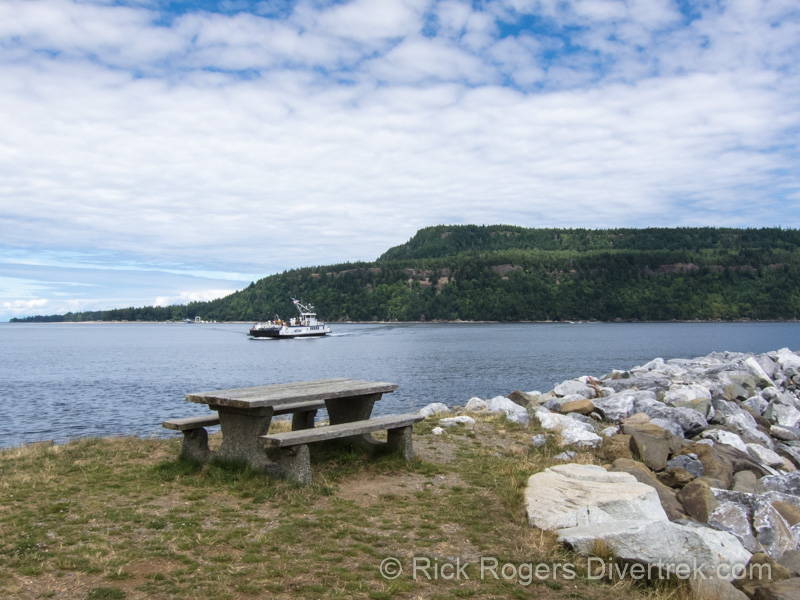
Hornby Island was made famous for the six-gill sharks that used to frequent here at some sites at recreational diving depths. At its peak you could almost be guaranteed a sighting, but they’re much more sporadic nowadays. But it’s still fun to try! However, as a close second, I did see my first Spiny Dogfish shark, just over a meter in size, while on a shore dive at Ford’s Cove. It zipped in and out between the divers and the open water, then left as quickly as it appeared. I took this as a good omen for things to come.
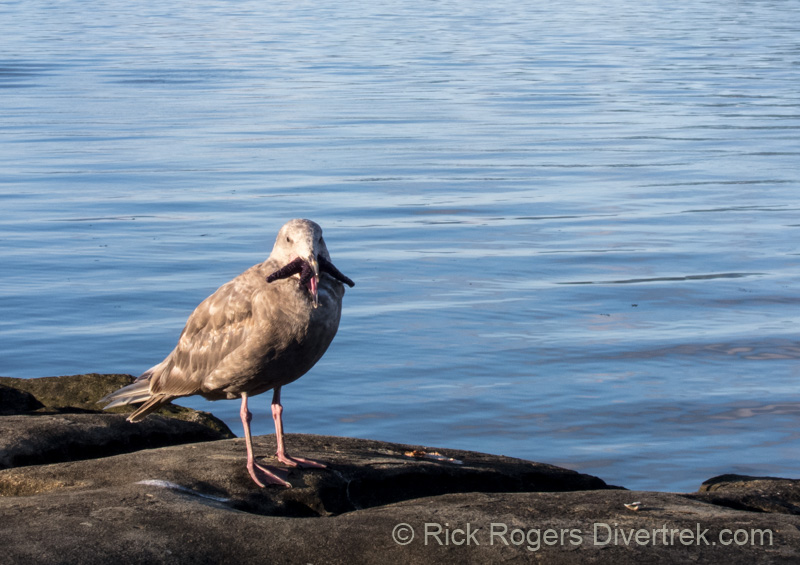
The “house reef” at Ford’s Cove, just under a minute’s walk from the lodge is well worth doing. It’s a wall dive that begins at about 25′ and goes down to about 50′. Look carefully in the eel grass on your way from the shore. We found nudibranchs, numerous crabs and baby octopus there. Others found Grunt Sculpins on the wall. You will also see the usual fishes from Gobies to Rockfish and Kelp Greenlings.

The diving here is relaxed, with minimal current. The temperatures varied between 52-57 deg.F., which is warmer than usual. As you will see in the photos below, the dive sites vary from rocky outcroppings, massive boulder piles and small caverns to plunging walls. But don’t come here expecting dense, colourful walls packed with sponges, soft corals and anenomes. They’re much more scattered and patchy. In order to deal with the ever-present particulates (and potential back scatter) in the water, I tried to keep the background water as bright a green as possible in my wide angle photos. I did this by bumping up my iso to 800-1000, using slow exposures, and limiting my wide angle photography to bright days.


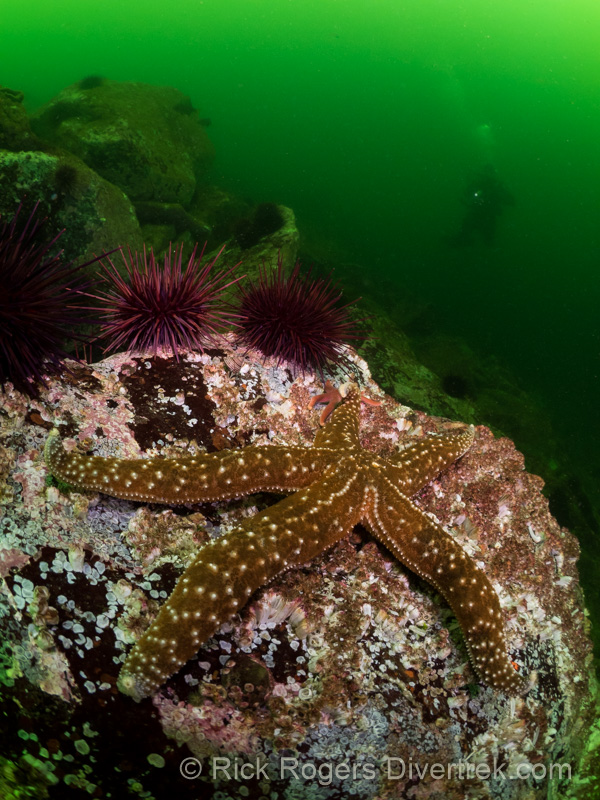

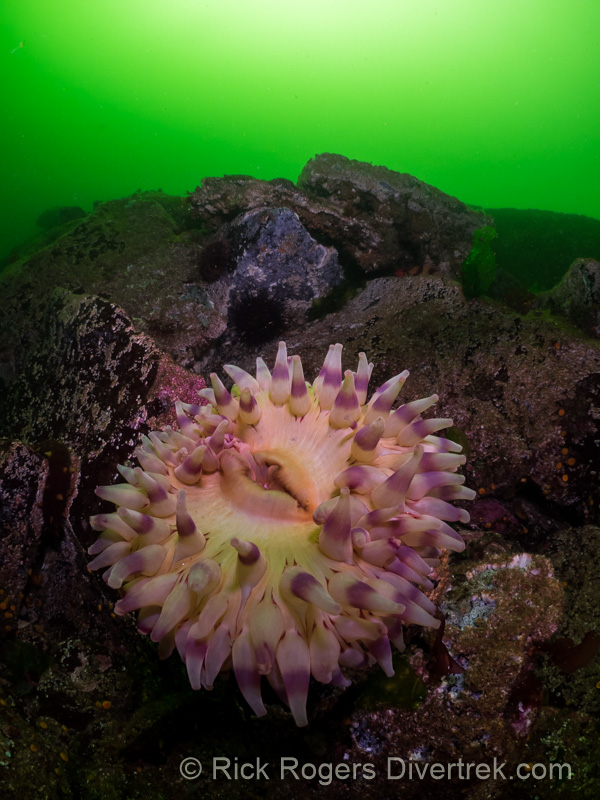

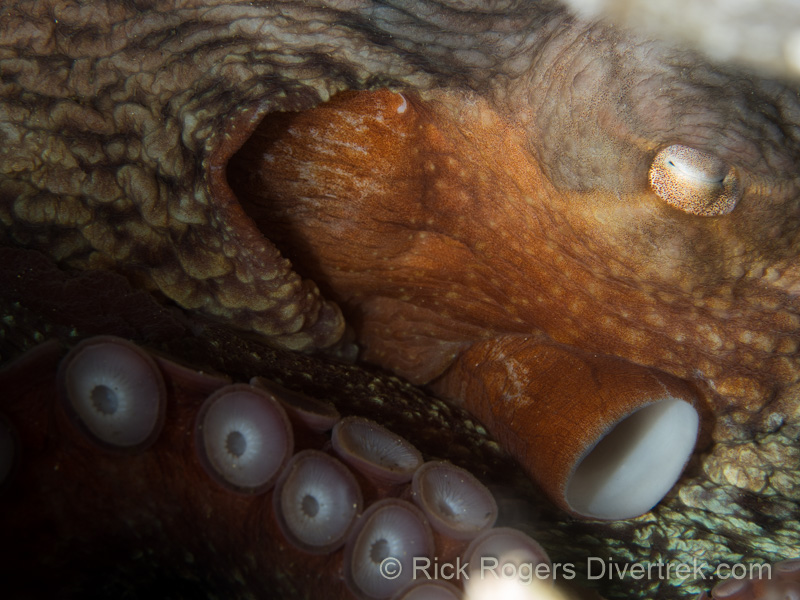
You will find a large diversity of fish here, and many are as every bit as colourful as you would see in the Caribbean. Most commonly you will find large Lincods, Kelp Greenlings, and a huge variety of sculpins and Rockfish.

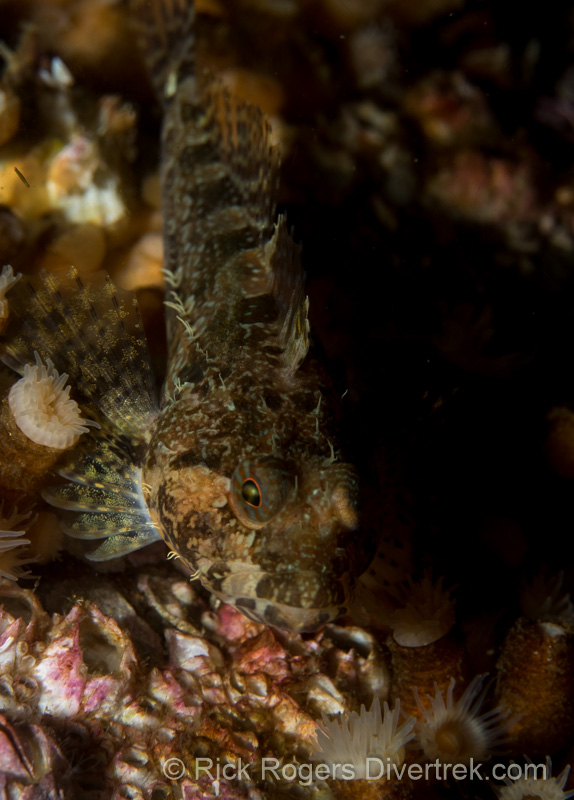
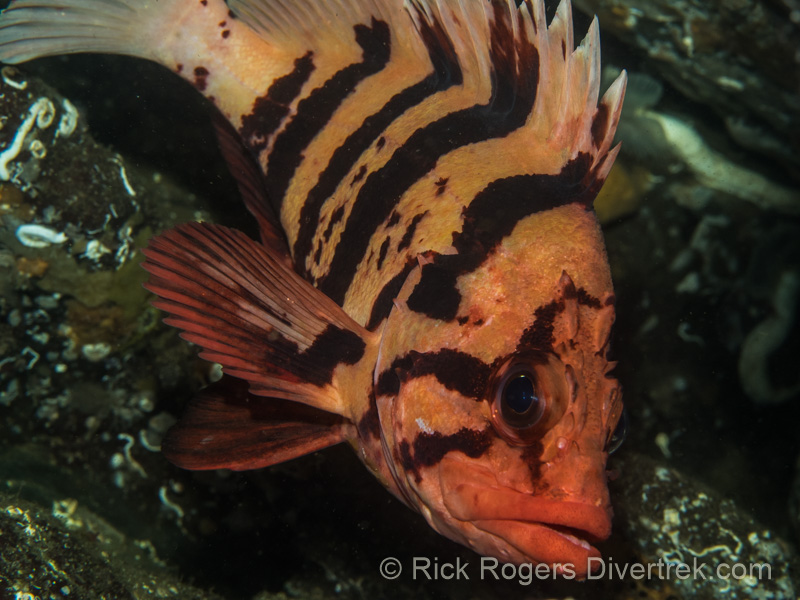
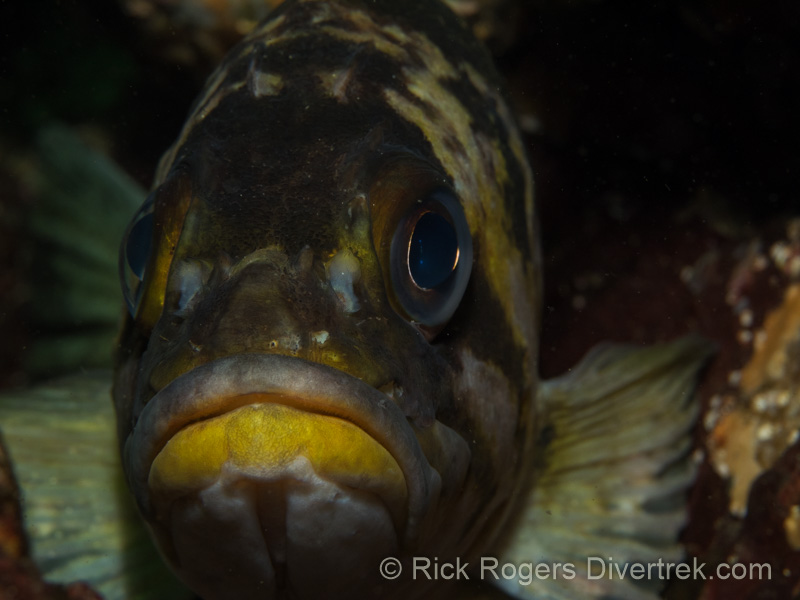
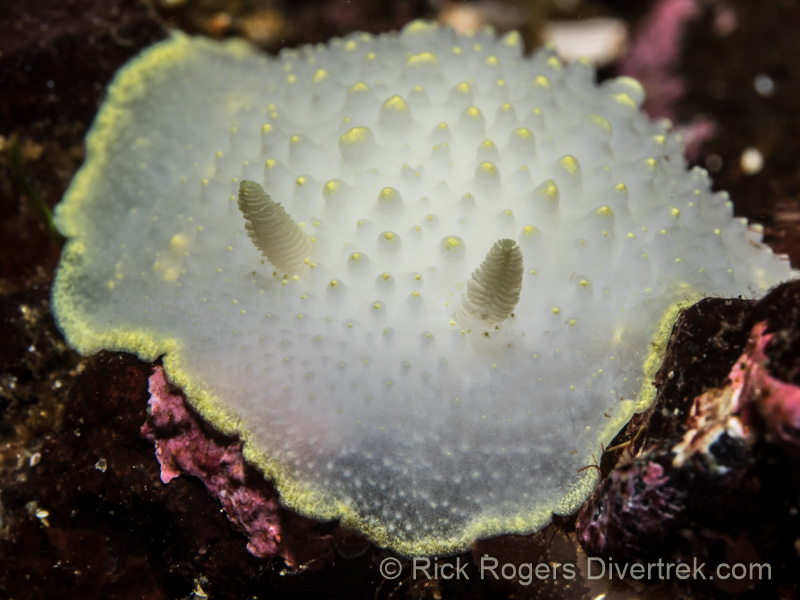
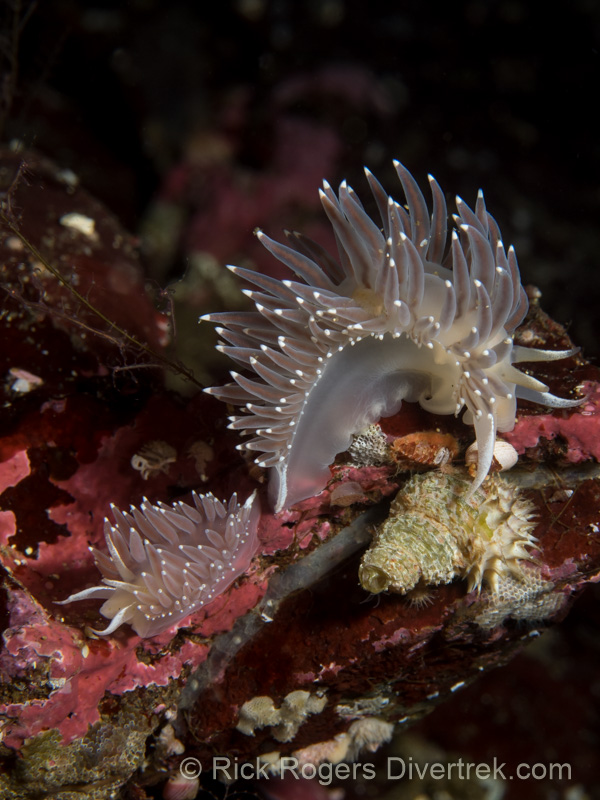
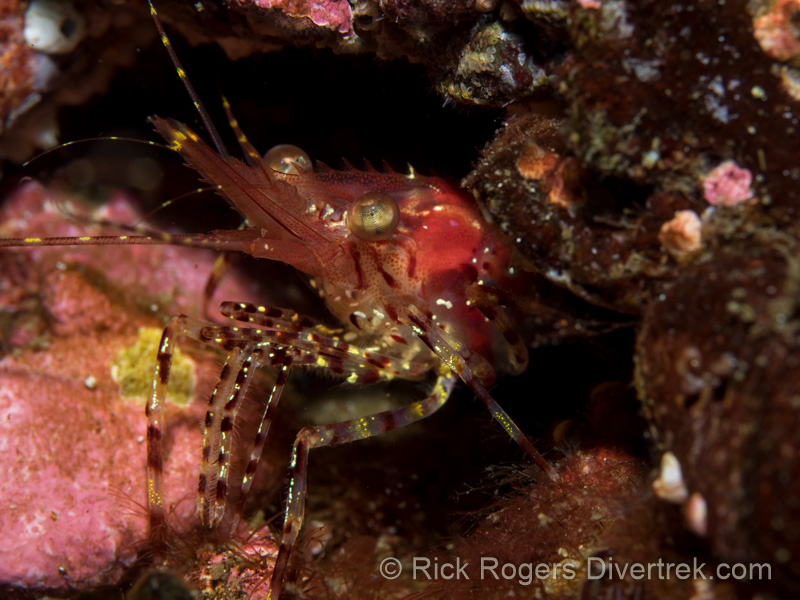
There is a wealth of macro-sized subjects to photograph here, on any dive site. However on some sites it was difficult to find nudibranchs that weren’t covered with debris. But the most memorable were the Red Flabellina’s at Flora Islet, my first. This dive site was so rich with life that I don’t think I made it past 50′ from the anchor line. I actually had to gently nudge a “friendly” Rockfish out of the way as it kept using my spotting light to look for an easy meal.

Topside Activities:
There’s loads to do here after your afternoon dive (or better yet, build an extra day into your trip): hiking trails, mountain biking (rentals), parks and beaches, winery & distillery tastings/tours, yoga classes, sea kayaking, a farmer’s market, and Artist’s Galleries and shops to visit. I really recommend visiting Helliwell Provincial Park (no fees) for some easy hiking with beautiful scenery and stunning views. Allow at least a couple of hours.
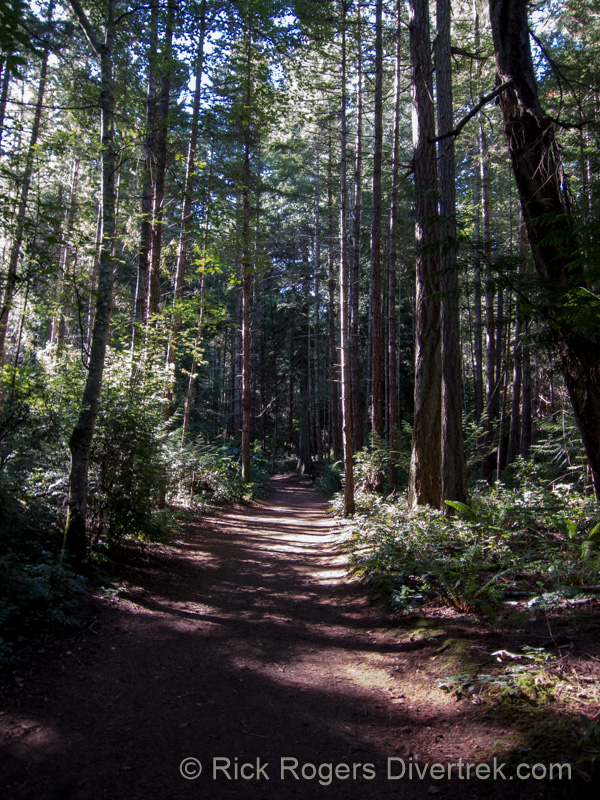
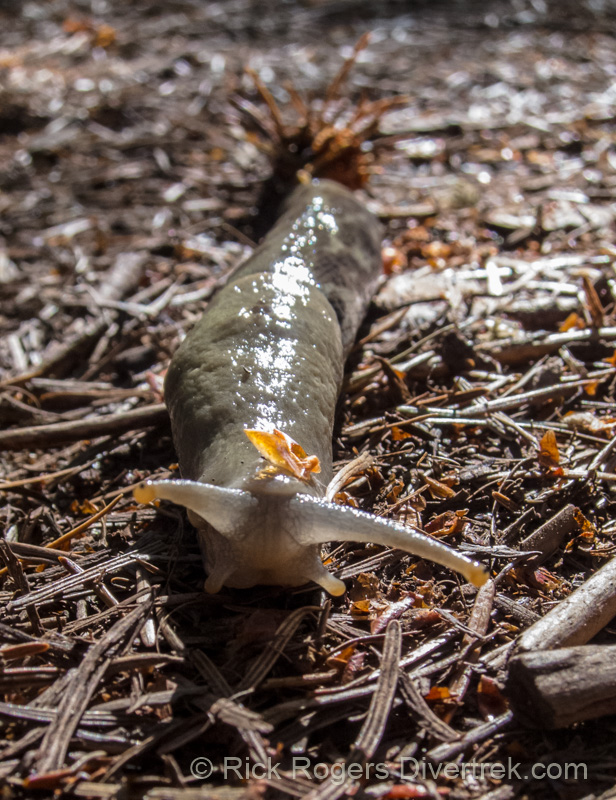
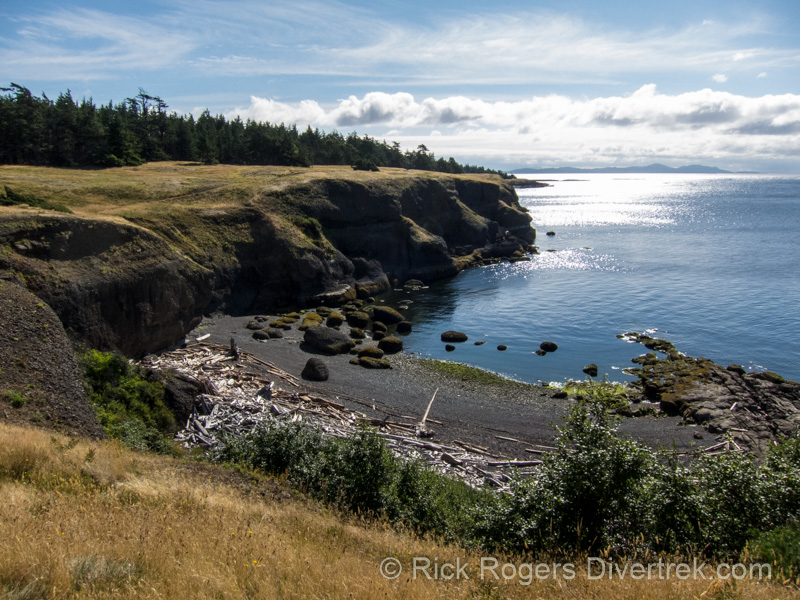
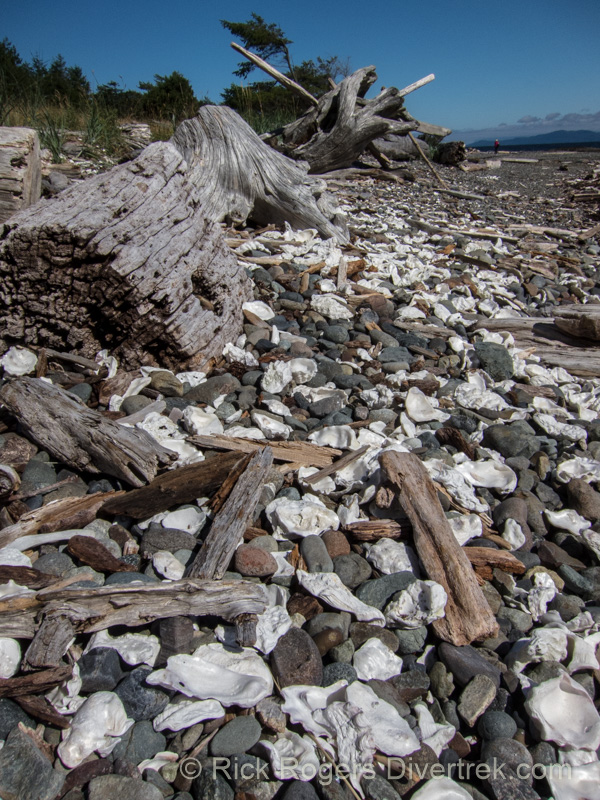

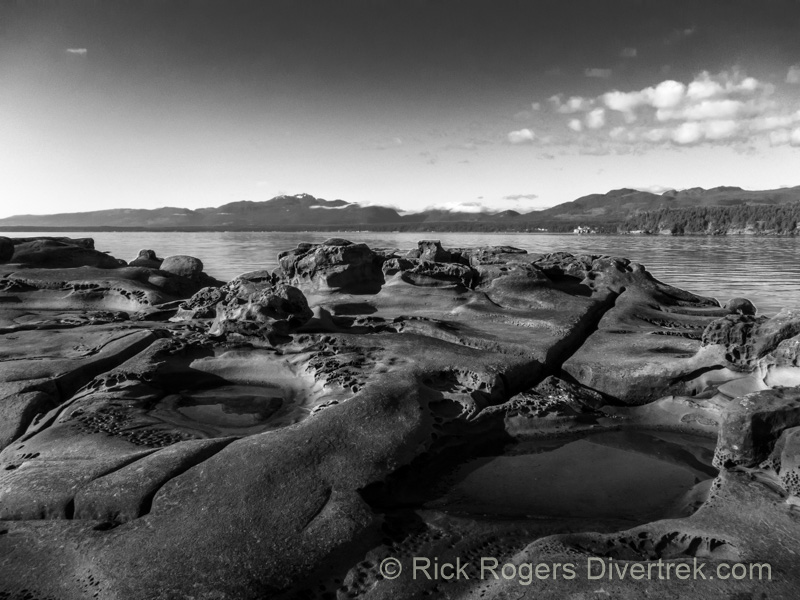
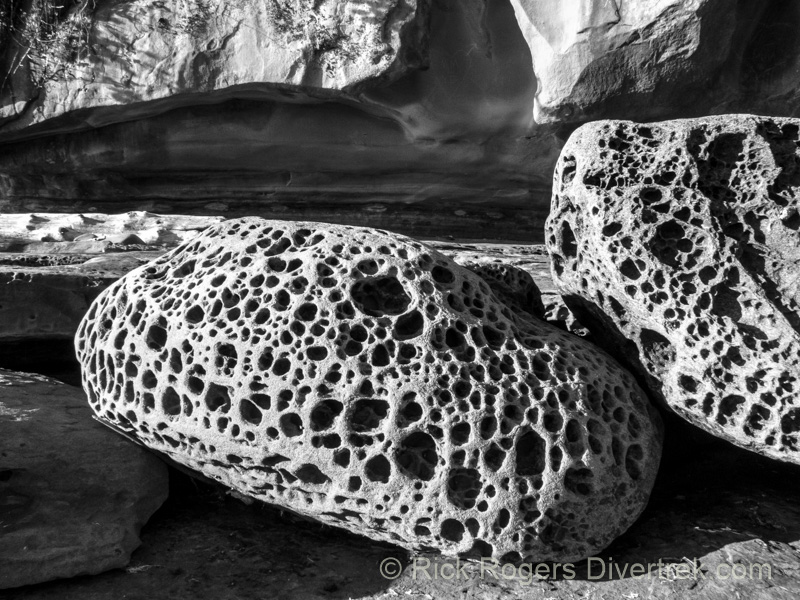
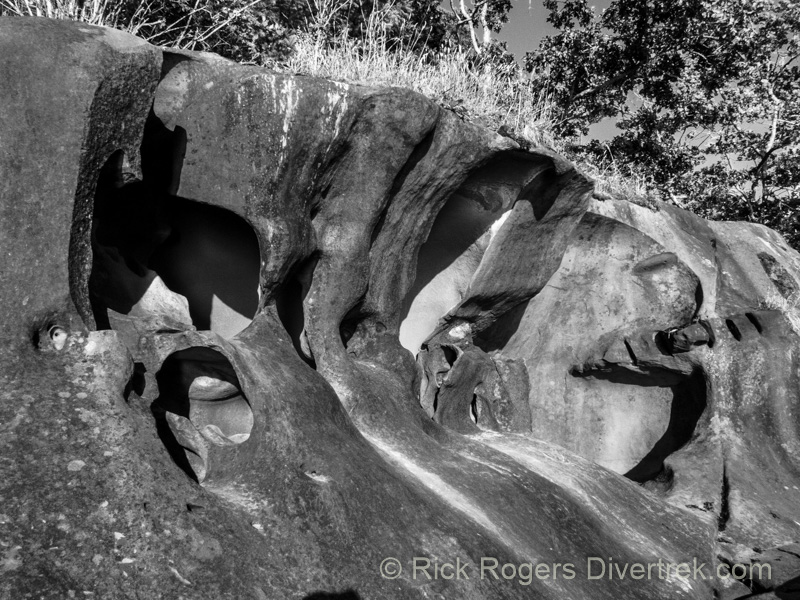
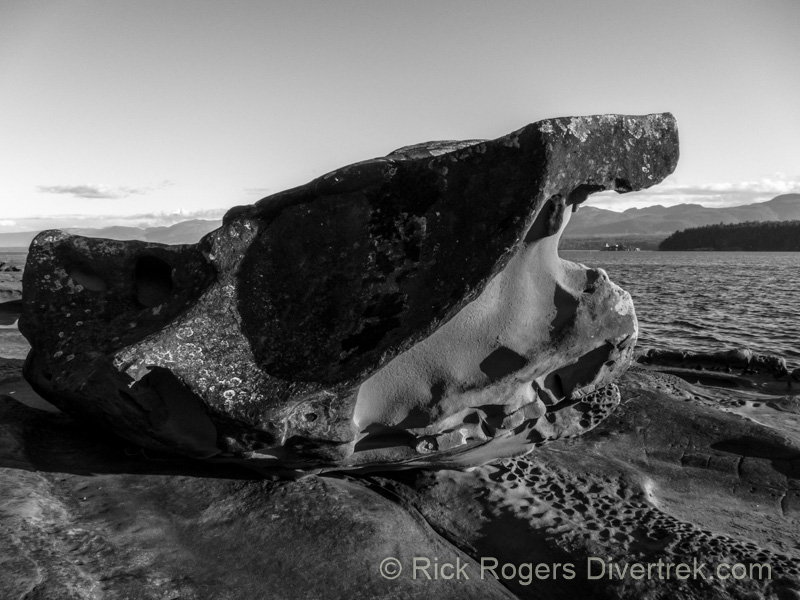
From Ford’s Cove at the lodge you can also go for an easy and relaxing hike along the coast, or for just a quiet sit, among the beautiful sandstone formations. I met alot of friendly people here just reading, or having a quiet moment. The sandstone formations have been dated to the late-Cretaceous era (65 Mya). You can go all the way down to Heron Rocks at the South, about 600 m away:
Tips:
West Jet now flies to Comox, where you can rent a car at the airport. You can pick up the Ferry at Buckley Bay off Hwy 19, only about 20 mins. drive from Comox. The current cost for the two ferry rides is $88 for a small vehicle with 2 people (including a return trip back). Cost depends on the size of your vehicle and number of people. Remember to ask about the BC Ferry Experience Card to see if you can save any money off your trip. Allow a couple of hours, especially on the return trip, as the Hornby I. ferry is smaller with longer line-ups. You will be given a map & visitors guide of Denman and Hornby Island with your ticket, but the route to the connecting ferry is marked (or you can just follow the majority of cars leading the way). You can download a copy of the map and visitors guide at http://www.hiceec.org/hornby-denman-visitor-guide.html
I joined Ocean Sports, based in Edmonton, Alberta, for this trip. They’re a very fun and welcoming group. Hornby Island Diving typically does two dives daily, usually one in the morning and the other in afternoon. The lodge accomodates non-divers in your group, of any age. Note that the lodge has common co-ed bathrooms, which are well thought out and built, so it works. There is lots of space for groups to comfortably get-together; either outside (grounds, balcony, porches) or inside where there is a beautiful and relaxing common room with couches, chairs and a library. There is also small grocery store with a pizzeria, fish & chip truck, and an artist’s co-op at Ford’s Cove, where the Lodge is located. At the Hornby Island Co-op you can find groceries, ATM, cafes, books & magazines, hardware, post office, Liquor & Beer, gas/propane fills, and more artists shops.
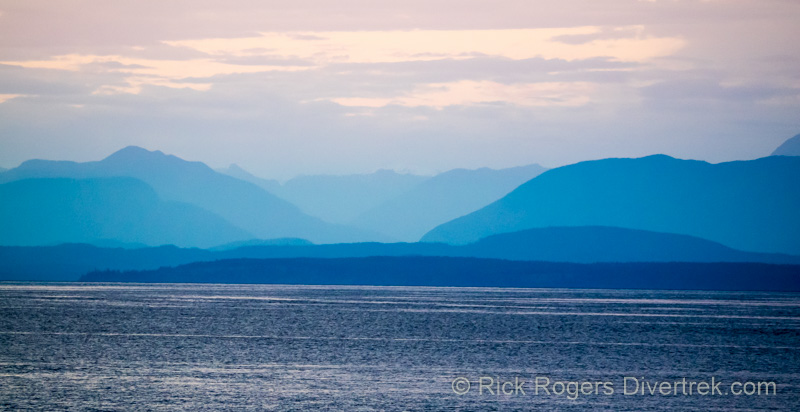
In Comox I would recommend staying with Jim and Lori at Bella’s Beachfront B & B. It exemplifies the reason that I prefer B&B’s-much more value for your money, and you are immersed in the local culture. Their gorgeous property is situated right on the shoreline of the Georgia Strait, with awesome views and sunsets over the distant mountains. The guest apartment is very comfortable, modern and well adorned. The breakfast they serve is second to none (ask for the baked Dutch pancake)!
Related Articles:
Diving into God’s Pocket, British Columbia.
References:
“Marine Life of the Pacific Northwest”, A.Lamb and B.Hanby,Harbour Publishing, 2005.